Kaas Plateau to Open for 2026 Flowering Season from September 18, Daily Visitor Limit Set at 3,000
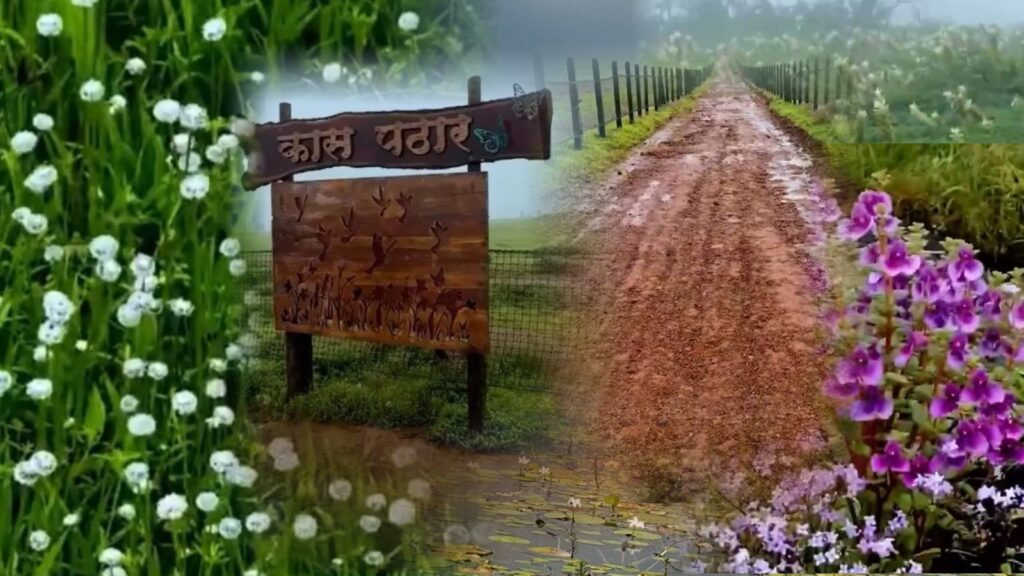

The Kaas Plateau in Maharashtra’s Satara district is expected to welcome visitors for its annual wildflower season from September 18 to October 19, 2026, with a daily cap of 3,000 visitors to protect its fragile ecosystem. The dates may be adjusted slightly depending on the progress of the monsoon, officials said.

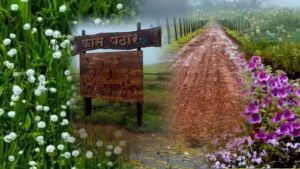
Known locally as Kas Pathar, the plateau transforms into a colourful landscape for a few weeks every year as hundreds of seasonal wildflower species bloom across its laterite surface. The site attracts thousands of tourists, photographers and nature enthusiasts from across India during the flowering season.
Kaas Plateau is located about 25 km from Satara city and around 20 km from the northern boundary of the Koyna Wildlife Sanctuary. It is recognised as a UNESCO World Natural Heritage Site and is considered one of Maharashtra’s most important biodiversity hotspots. The reserve forest is home to more than 850 species of flowering plants, including several endemic, rare and endangered varieties.
Botanical studies have recorded 624 flowering plant species on the plateau, of which 39 are found only in the Kaas region. Around six per cent of the plant species fall under the Red Data category, making conservation measures essential. The appearance of the plateau changes every 15 to 20 days as different flowers bloom through the monsoon season between June and October.
To regulate tourism and minimise environmental impact, visitor entry has been divided into three time slots of 1,000 people each. The morning session will run from 7 am to 11 am, followed by the second slot from 11 am to 3 pm. The final session will be from 3 pm to 6 pm, with visitors required to report between 3 pm and 4 pm for entry.
Apart from its ecological importance, the area also plays a practical role in the region. Kas Lake, built over a century ago, continues to provide gravity-fed drinking water to the western parts of Satara city.
The plateau is well connected by road through Kaas Road. Satara Railway Station, about 25 km away, is the nearest railhead, while Pune International Airport, around 140 km from the site, is the closest airport for visitors travelling from other parts of the country.
Forest officials have urged visitors to follow all conservation guidelines during the flowering season to help preserve the plateau’s rare biodiversity for future generations.