Kaas Plateau Gets Ready to Welcome Visitors from September 01; Entry Fees and Strict Daily Limits
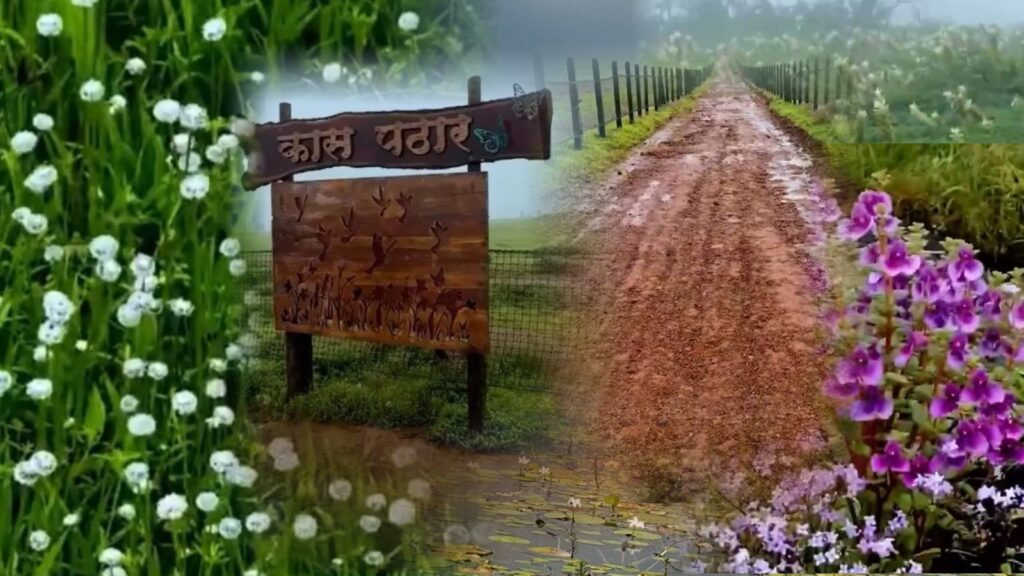

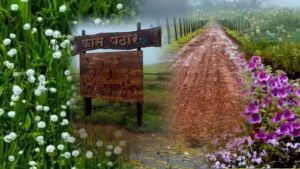
The Satara district administration and the Kas Pathar Executive Committee have finalised conservation guidelines and entry protocols for the upcoming annual flowering season at the Kaas Plateau, introducing an entry fee revision alongside strict daily visitor limits to protect the fragile UNESCO World Natural Heritage Site.

Officials decided to maintain a strict daily ceiling of 3,000 tourists to prevent ecological degradation from foot traffic across the laterite plateau. Rising tourism pressures in recent years threatened the survival of delicate flora, prompting the administration to enforce regulated entries and mandatory pre-registration.
The seasonal bloom on the laterite soil occurs for a brief four to six-week window following the monsoon, drawing thousands of naturalists, photographers, and weekend travelers from across Maharashtra. The reserve forest, situated at an altitude of 1,200 metres, hosts over 850 flowering plant species, with roughly 39 unique to the region and several listed under threatened categories.
Under the operational plan, the daily allocation will be split equally into three time slots of 1,000 visitors each, running from 7 am to 11 am, 11 am to 3 pm, and 3 pm to 6 pm. Entry tickets have been revised to ₹200 per person, which covers shuttle bus transport from designated parking zones to the main plateau gates to eliminate vehicular congestion on the narrow ghat roads.
Satara District Collector Santosh Patil instructed the Public Works Department and local police to declare the main access roads as strict no-parking zones and clear all potholes along the route. Forest department personnel and local committee guards will patrol designated pathways to ensure tourists do not step onto flower beds, pluck plant specimens, or leave behind plastic waste.
Revenue generated through visitor fees will fund local community conservation efforts, pathway maintenance, and anti-poaching patrols handled by the Kas Pathar Committee. The administration has also arranged designated stalls near the entrance for local self-help groups to sell traditional agro-products and regional snacks to tourists.
Local police authorities plan to deploy additional personnel along the Satara-Kaas road to regulate weekend traffic, while local transport authorities will coordinate shuttle deployments. The administration confirmed that online ticket bookings are live on the official portal, advising travellers to secure passes well in advance as walk-in entries will not be entertained during peak weekend dates.