Air Travel Could Burn a Hole in Your Pocket This Festive Season As Government Rules Out Fare Capping
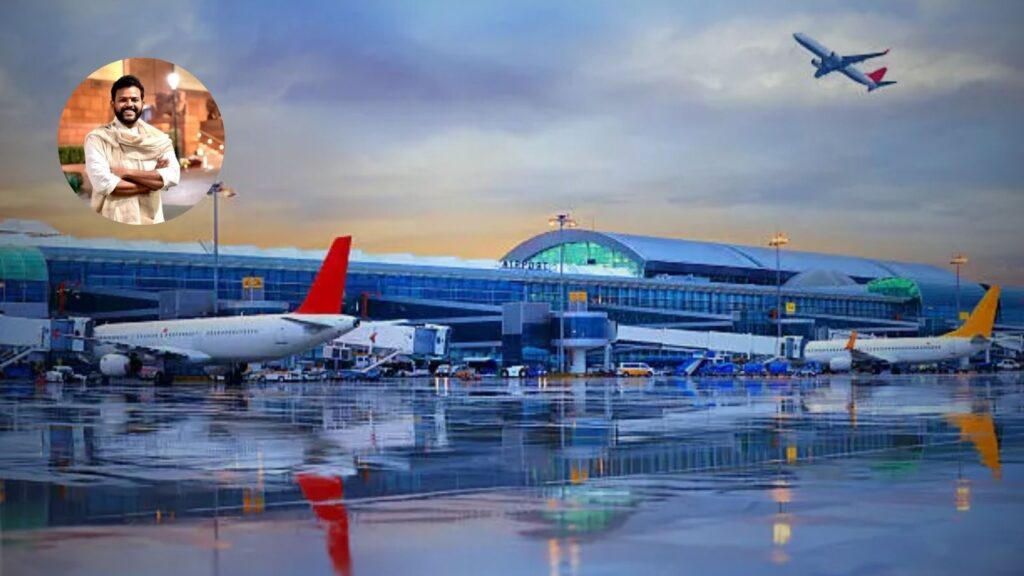

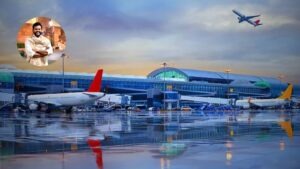
PuneNow, September 23, 2026: Increased festive demand for air travel could prompt airlines to hike air fares as government has ruled out any control over fares this year.

Civil Aviation Minister K. Rammohan Naidu has said the government will not impose regulatory limits on fares. Instead, the ministry is holding regular meetings with airlines and advising them to keep ticket prices at reasonable levels during periods of high demand.
The government has used a similar approach during earlier festivals and major national events, engaging with airlines to address fare spikes rather than imposing price controls.
The decision means domestic airfares will continue to be determined by airlines under the existing market-based pricing system. On routes where demand exceeds available capacity, fares could still rise sharply during the festive travel rush.
Fuel costs add pressure on fares
The Civil Aviation Ministry has pointed to higher fuel costs arising from geopolitical tensions, particularly the West Asia crisis, as one of the main factors putting pressure on airfares.
Aviation Turbine Fuel (ATF) accounts for around 40% to 43% of an airline’s operating expenses. An increase in fuel prices, therefore, adds directly to airline costs.
In June 2026, the Union Cabinet approved a ₹10,000-crore Price Stabilisation Fund to help public-sector oil marketing companies maintain stable jet fuel prices for domestic airlines over three years.
Jet fuel prices had briefly touched a record ₹2.07 lakh per kilolitre in Delhi before government intervention brought some relief. Airlines had already responded to higher costs by introducing distance-based fuel surcharges. IndiGo, for instance, introduced domestic surcharges ranging from ₹275 to ₹950.
Government relies on airlines to keep fares reasonable
Rather than regulating fares, the government is relying on discussions and advisories to airlines to prevent excessive increases during the festive season.
Market observers see the decision as a continuation of dynamic, market-driven airfare pricing. However, ticket prices on individual routes will depend on passenger demand and the number of seats available.
The government’s approach has also drawn scepticism on social media, where users questioned whether advising airlines, without any legal restriction on fares, would be enough to prevent steep increases on busy routes.
₹30,000 crore planned under next phase of UDAN
Naidu made the remarks on the sidelines of the signing of agreements for the next phase of the UDAN (Ude Desh ka Aam Naagrik) regional connectivity scheme.
The government plans to invest ₹30,000 crore under UDAN over the next decade, with plans for 100 new airports and 200 modern heliports.
The Civil Aviation Ministry has also set a long-term goal of having at least five domestic airlines with fleets of more than 100 aircraft each to cater to growing passenger demand.