Pune and Pimpri Chinchwad Autorickshaw Fares to Rise from September 1 as RTA Increases Minimum Fare to ₹30
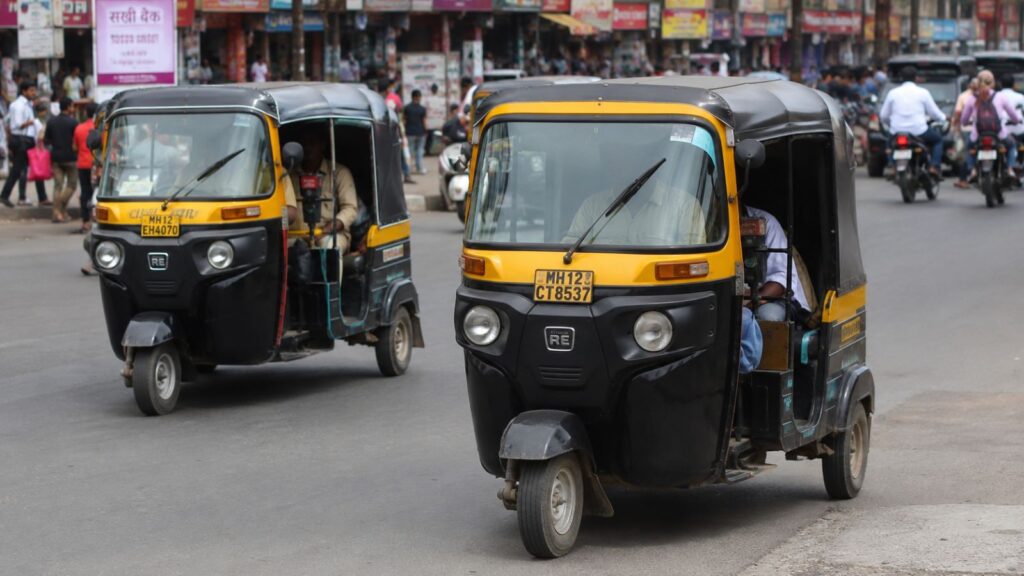

Pune’s Regional Transport Authority (RTA) has approved an increase in autorickshaw fares across Pune district, raising the minimum fare from ₹25 to ₹30 from September 1. The decision, taken at a meeting chaired by Pune District Collector Jitendra Dudi, will apply across Pune city, Pimpri-Chinchwad and Baramati, affecting more than 1.5 lakh licensed autorickshaw operators and hundreds of thousands of daily commuters.

Under the revised fare structure, passengers will pay ₹30 for the first 1.5 km instead of the existing ₹25. The fare for every additional kilometre will increase from ₹17 to ₹20. The RTA said the revision was necessary after considering higher operating costs, including increased CNG prices, vehicle maintenance expenses and inflation.
Officials said the revised rates were calculated using the Khatua Committee formula, the standard mechanism adopted for fixing autorickshaw tariffs. The formula takes into account fuel prices, maintenance costs, insurance expenses and other economic indicators before recommending fare revisions.
Autorickshaw unions had been seeking a fare hike for several months, arguing that tariffs had remained unchanged since August 2022 despite rising input costs. CNG prices have increased from around ₹91 per kg during the previous revision to nearly ₹96 per kg, while the cost of spare parts, servicing and insurance has also gone up.
The latest revision continues a series of fare increases seen over the past five years. The minimum fare, which stood at ₹18 in early 2021, was raised to ₹20 later that year before increasing to ₹23 and subsequently ₹25 in 2022. With the latest revision, the minimum fare will reach ₹30, representing an overall increase of nearly 67% since 2021.
The administration has allowed a six-month transition period from September 1 for operators to recalibrate their mechanical and digital fare meters. Until recalibration is completed, drivers must display RTO-approved fare conversion charts prominently inside their vehicles so passengers can verify the applicable fare.
While autorickshaw unions have welcomed the decision, describing it as overdue, many commuters have expressed concerns over the enforcement of fare rules. Passengers continue to report frequent instances of drivers refusing short-distance trips, not using meters and demanding arbitrary fares that often exceed the prescribed minimum.
Commuters have urged the Regional Transport Office to strengthen enforcement alongside the fare revision by taking action against overcharging, meter violations and trip refusals. They say stricter compliance will be essential to ensure passengers receive fair service once the revised fares come into effect.