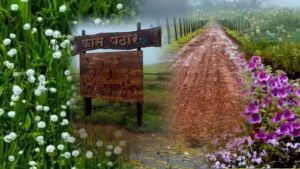
A Secret Hill Paradise Near Pune That’s Too Beautiful to Stay Hidden for Long
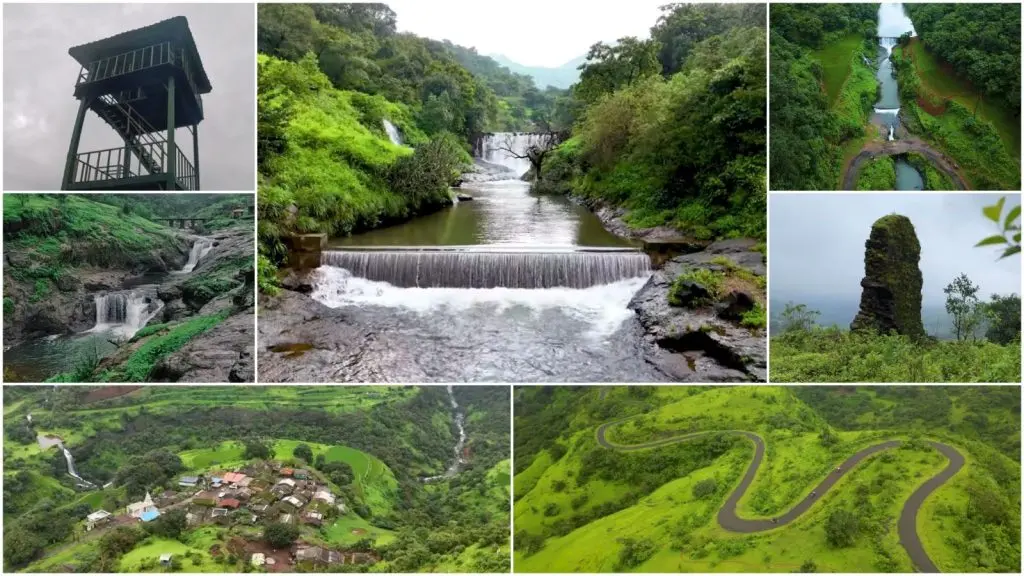

Tired of the crowded parking lots at Lonavala and the commercial chaos of Mahabaleshwar? There is a corner of Maharashtra that time forgot, not because it isn’t beautiful, but because it refuses to be found easily.

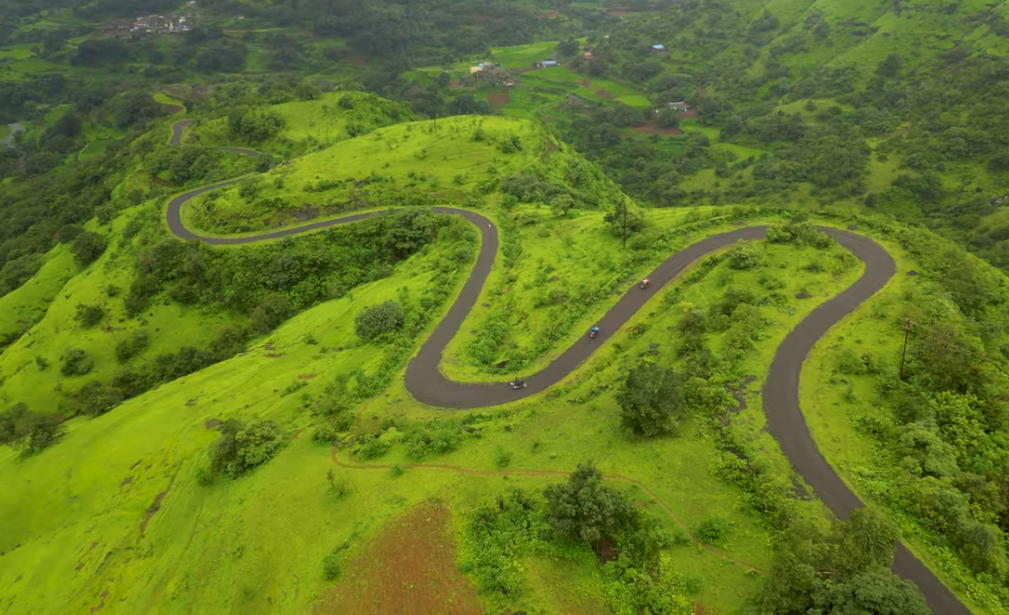
Welcome to Phopsandi (also spelled Phophasandi or Fofsandi). While mainstream travel portals and standard GPS maps may overlook this name, a rugged, mist-draped landscape awaits those willing to venture off the beaten path. Deep in the Sahyadris near the Pune-Ahmednagar border, Phopsandi offers an exclusive escape where people still live in natural stone dwellings, and the modern “tourist” is still a rarity.
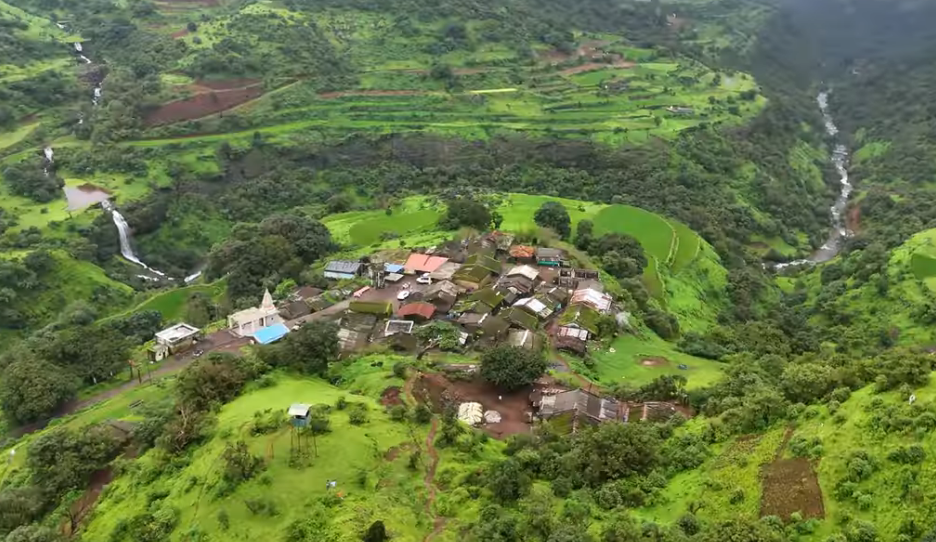
Where Exactly is Phopsandi Hidden?
Forget commercialized resorts for a moment. Phopsandi is located in the Akole Tehsil of the Ahmednagar district, serving as a mountainous bridge between the Pune and Nashik regions. Located roughly 160 km from Pune and 210 km from Mumbai, it remains an untouched oasis far removed from city life.
- Nearest Urban Center: Sangamner, about 60 km away, serves as the last major stop for supplies.
- The Vibe: A profound, unbroken silence. With a tiny population of fewer than 900 residents, the village is an escape into raw nature.
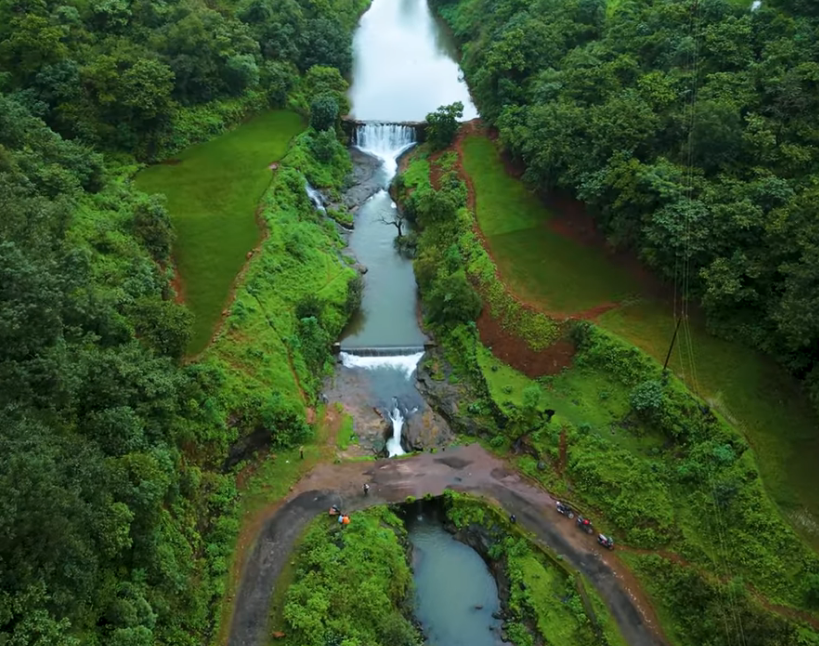
The Climatic Anomaly: Nestled within a deep valley, the village is surrounded by towering cliffs of the Sahyadris. As a result, Phopsandi experiences sunrise an hour later and sunset an hour earlier than the surrounding plains, creating a unique microclimate.
The Allure: What Awaits the Explorer?
1. The Ancient Caves of Bhairavgad
The most fascinating aspect of this region is its blend of history and living heritage. While Phopsandi is the base village, the nearby hills hold ancient secrets:
- Lord Bhairavnath Shrine: A large, naturally formed basalt cave houses a revered shrine, maintained by the local families with water tanks carved directly into the rocks.
- Functional Residences: Unlike the famous man-made caves of Ajanta and Ellora, these are natural hollows used for generations by tribal families and shepherds to shield themselves and their livestock from harsh weather.
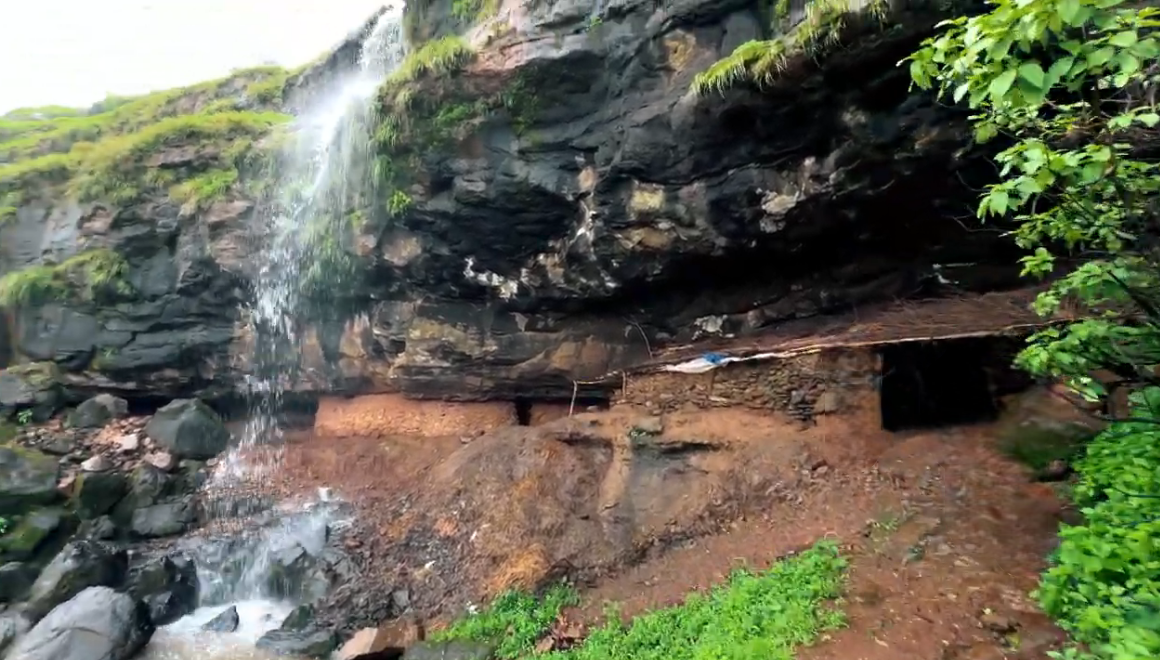
2. Kunjargad: The Elephant Fort
For trekking enthusiasts, Phopsandi is the southern gateway to Kunjargad (also known as Kombad Killa). Rising to approximately 1,400 meters above sea level, the fort gets its name from the Sanskrit word Kunjar (Elephant), as the hill resembles a giant beast.
- The Climb: The trek from the Phopsandi side is steep, thrilling, and takes roughly 2.5 hours for an average climber.
- The Reward: Panoramic vistas stretching across the Mula river basin.
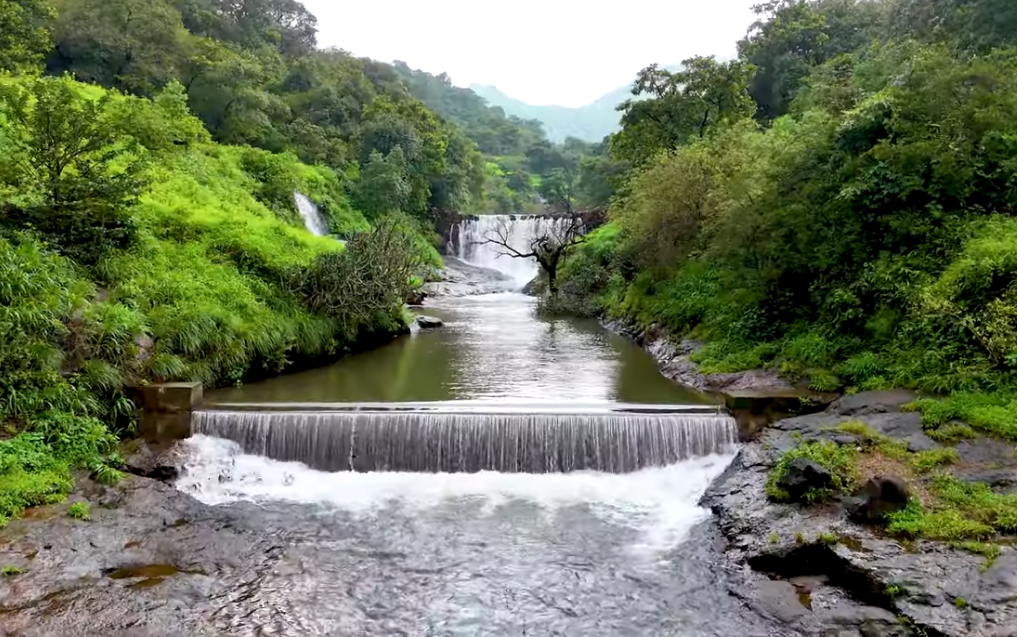
3. Mankhaandaa Viewpoint
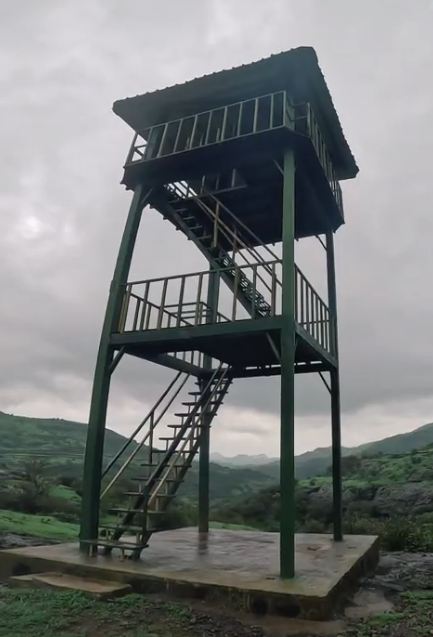
A newly discovered attraction for intrepid travelers is the Mankhaandaa cliff, which serves as a stunning sunset point overlooking the valley.
The Curious History Behind the Name
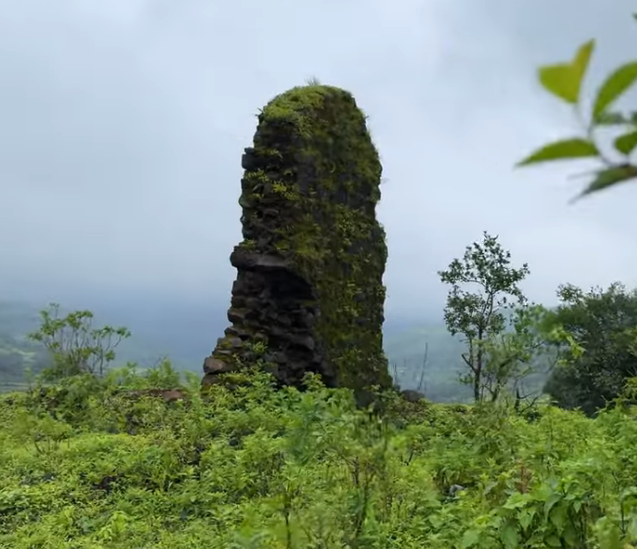
Folklore surrounding the village name is just as captivating as its geography. Local legends trace the name “Phopsandi” to a British officer named Mr. Pope, who retreated to the valley every Sunday during the British Raj. The phrase “Pope-Sunday” gradually distorted in the local dialect to become “Phopsandi” (or Fofsandi).
How to Reach the Secret Paradise
Reaching this hidden gem requires a bit of planning and a spirit of adventure.
- By Road: From Pune, drive via NH48 toward Sangamner and turn toward Akole, then continue on interior roads towards Kotul and the Udapur-Muthalane Road.
- Vehicle Recommendation: The last stretch includes rough ghat sections. A standard SUV, high-ground clearance vehicle, or motorcycle is highly recommended.
- Public Transport: Extremely limited; self-drive or hired cabs are the only viable options.
Essential Travel Tips for Your Journey
If you are planning to disconnect and explore Phopsandi before the maps update and the crowds arrive, keep these guidelines in mind:
- Carry Essentials: There are no luxury hotels, restaurants, or shops. Bring ample water, energy bars, and a basic first-aid kit.
- Network Warning: Mobile networks can be weak or completely unavailable, making it an excellent digital detox.
- Respect Local Culture: Remember that you are visiting a remote, fragile ecosystem. Avoid littering and respect the privacy and lifestyle of the residents who call the caves home.
The Bottom Line
Phopsandi is not for the luxury traveler. It is for the explorer who wants to earn their view. It represents the raw, unfiltered spirit of Maharashtra’s Sahyadri ranges. Plan your journey now and experience the wilderness before the rest of the world finds out.