Alphonso Mango Production Drops by 60-70%; Prices to Soar This Gudi Padwa
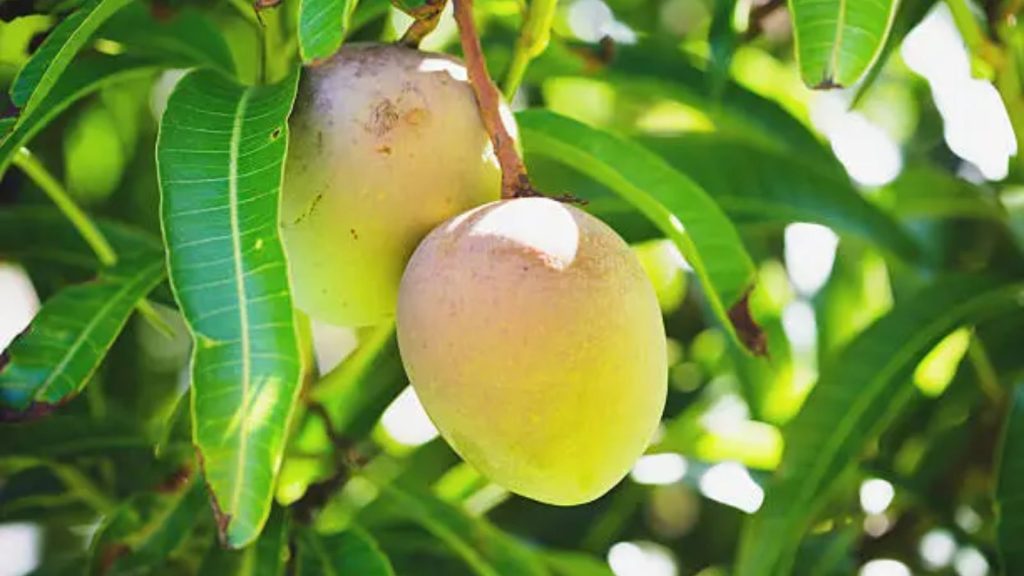

If the king of mangoes had a throne, it would be trembling right now. India’s beloved Alphonso – the golden, fragrant Hapus from the Konkan coast – is staring at its most devastating season in nearly half a century, with production estimates plummeting by as much as 85% and prices already breaching record highs ahead of the Gudi Padwa festival.

Across the fertile orchards of Ratnagiri and Sindhudurg, where the GI-tagged variety has reigned supreme for generations, a silent catastrophe has unfolded. Erratic weather, a crippling pest attack, and even rising industrial pollution have conspired to slash the 2026 yield to a mere fraction of its normal output. For the average Mumbaikar paying ₹300 for a single fruit or the Gulf-based expat longing for a taste of home, this year’s Hapus story is one of scarcity, sticker shock, and stark economic distress for the very hands that nurture the crop.
Konkan’s Orchards Go Quiet: The 80% Drop Explained
Data collated from the Vashi Agriculture Produce Market Committee (APMC) in Navi Mumbai, which handles approximately 60% of the region’s total mango trade-paints a harrowing picture. Daily arrivals of Alphonso boxes have nosedived from a standard 2,000-3,000 during the early season to a paltry 150-200 boxes as of the first week of March 2026.
Dr. Vivek Bhide, president of the Konkan Hapus Amba Utpadak Ani Vikrete Cooperative Association in Ratnagiri, confirmed the magnitude of the disaster.
“We are looking at an 80% reduction in yield compared to a normal year,” Dr. Bhide stated. “This is officially the lowest output we have documented in over two decades. The flowers simply did not hold.”
Maharashtra Minister Nitesh Narayan Rane, after surveying the affected belts, described the situation as “unprecedented in the last 50 years,” noting that an orchard which typically produces 600 boxes would be lucky to yield just 50 this season.
The Perfect Storm: Why the 2026 Hapus Crop Failed
Agricultural experts and veteran growers point to a “perfect storm” of ecological and biological factors that disrupted the mango’s delicate flowering cycle, a phase locally referred to as the “mohar” (bloom).
Climate Volatility & Erratic Rains
The 2026 season was doomed from the monsoon’s departure. An extended rainy season pushed into October, followed by abrupt temperature swings. A severe cold wave in December, coupled with persistent cloud cover, severely hampered pollination. Unlike the dry, blistering heat required to set the fruit, the region experienced unseasonal humidity and untimely showers in February, which caused young, pea-sized mangoes to drop prematurely from the branches.
The Thrips & Hopper Invasion
Compounding the weather woes was a rampant infestation of thrips and hopper pests. Farmers report that these insects attacked the tender panicles (flower bundles) with a virulence rarely seen before, sucking the sap and causing the flowers to wither and turn “crisp black,” as described by Chandrakant Mokal, president of the Maharashtra State Mango Growers Association.
Mokal added a controversial third factor: rising air pollution. He alleged that chemical effluents and emissions from industrial zones near the coast are settling on the blossoms, effectively burning them before they can convert to fruit—a theory that has prompted calls for environmental audits of the region.
Gudi Padwa Shock: How High Will Alphonso Prices Go?
Timing has exacerbated the crisis. The Marathi New Year, Gudi Padwa (March 19) , represents the single largest demand spike for premium Alphonso mangoes, traditionally gifted as a symbol of prosperity.
With supply chains strangled, the law of economics has taken over.
- Current Retail Trajectory: Wholesale rates at the Vashi APMC have already crossed ₹2,500 per dozen for A-grade Ratnagiri fruit.
- Festival Peak Projection: Traders predict that by Gudi Padwa, authentic Hapus could retail between ₹3,000 and ₹4,000 per dozen in major metros like Mumbai, Delhi, and Bengaluru.
- The “Cheap” Mirage: While some e-commerce platforms advertise “Hapus” for as low as ₹1,200 a dozen, growers warn these are likely inferior substitutes—either the Karnataka Badami variety (often called the “poor man’s Alphonso”) or counterfeit fruits sprayed with ripening agents.
“If the price is too good to be true, it isn’t Ratnagiri,” warned Yashraj Phatak, a third-generation farmer from Shreevali Agro. “With only 20% of our capacity operational, we are prioritizing quality over quantity. The authentic fruit will be scarce and expensive.”
Export Nightmare: The Iran-Israel Conflict Adds Fuel to Fire
While domestic shortages are dire, the export market—which accounts for nearly 78% of India’s mango shipments—is facing a separate logistical nightmare.
The ongoing Iran-Israel conflict has sent shockwaves through the shipping lanes of the Persian Gulf. The UAE and other Gulf Cooperation Council (GCC) countries traditionally consume 90% of India’s Alphonso exports. However, escalating tensions have led to:
- Skyrocketing Freight Costs: Air and sea cargo insurance premiums to the Middle East have surged, making it economically unviable for many small-scale exporters.
- Route Disruptions: Uncertainty regarding airspace closures and port security in the Strait of Hormuz has forced exporters to delay shipments or seek costly alternative routes.
Consequently, several major exporting houses in Mumbai and Pune have slashed their 2026 order books by nearly 70%, choosing to divert what little stock is available to the lucrative domestic wedding and festival market instead.
Farmers on the Brink: Demand for Compensation Intensifies
Beneath the headline-grabbing price tags lies a story of agrarian despair. The high retail value does not translate to income for the growers when there is virtually nothing to harvest.
Farmers’ leader and former MP Raju Shetti led a protest march in Kolhapur this week, demanding immediate state intervention. The core demand includes:
- Financial compensation of ₹5 lakh per hectare for registered Alphonso growers.
- A waiver on pending electricity and cooperative loan dues for the 2025-26 fiscal year.
- Strict enforcement of the Geographical Indication (GI) tag to prevent non-Konkan mangoes from being sold under the Ratnagiri-Devgad brand, which dilutes the premium pricing for genuine farmers.
The Maharashtra government has confirmed receipt of damage survey reports from the district collectors of Ratnagiri and Sindhudurg. A cabinet sub-committee is scheduled to meet next week to evaluate the compensation framework, though farmers argue that relief must arrive before the festival season to prevent a wave of defaults.
How to Spot Real Hapus Amid the 2026 Shortage
For consumers determined to taste the real thing this year—despite the cost—experts advise vigilance:
- The Aroma Test: Authentic Alphonso emits a distinct, powerful sweet fragrance even through the skin. Counterfeits often smell of raw turmeric or nothing at all.
- The Dot Code: Devgad Alphonso mangoes come with a unique holographic QR code sticker, implemented by the Devgad Taluka Mango Growers’ Cooperative, allowing buyers to trace the orchard origin.
- Color & Blemish: Real Hapus turns a vibrant golden-yellow with a slight red blush on the top shoulder. Avoid fruits with uniform green patches or black, sunken spots (often a sign of the “black tip” disease linked to pollution).
- The “Fiberless” Feel: The hallmark of a true Alphonso is its buttery, fiberless pulp. Cheaper substitutes tend to leave fibrous strings between the teeth.
As India approaches the 2026 mango season, one thing is clear: the Hapus on your plate will be a luxury item, representing not just a taste of summer, but a testament to a farming community grappling with a climate in crisis.