Pune Municipal Corporation Kick-Starts Citizen Participation Budget 2027–28, Invites Online Suggestions Till August 31
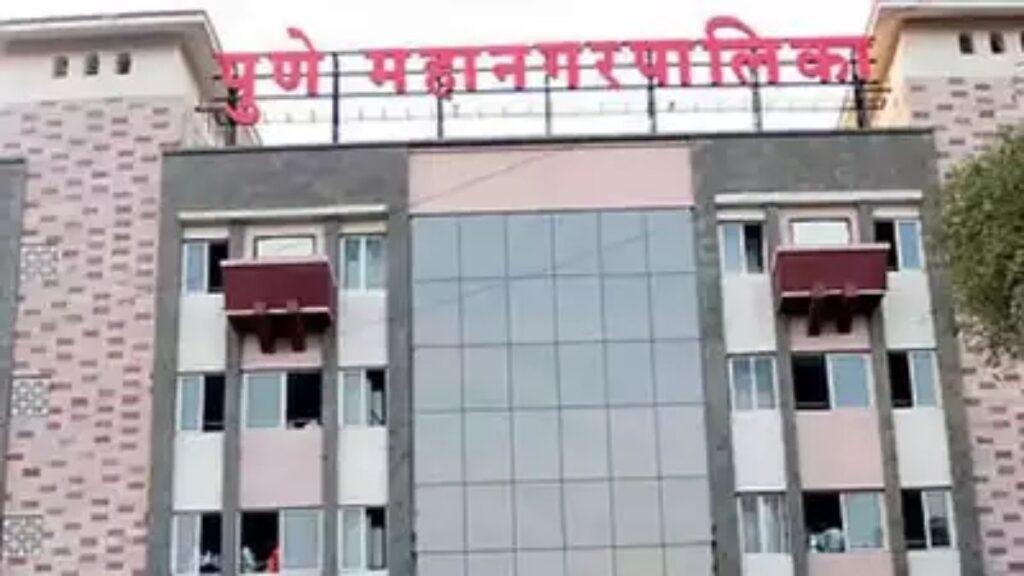

The Pune Municipal Corporation has officially kicked off its annual participatory budgeting exercise for the 2027–28 financial year, inviting residents across the city to directly suggest infrastructure and civic improvement projects for their respective neighborhoods. Civic authorities have set August 31, 2026, as the final deadline for citizens to submit their development proposals through the official PMC Care digital platform.

The participatory budget initiative aims to decentralize municipal spending decisions by giving residents a direct voice in identifying hyper-local development needs. Historically, neighborhood priorities often struggled for attention in the civic body’s broader municipal budget, prompting the administration to reserve specific funds across Prabhags for works suggested directly by local communities.
Residents can propose developmental works across key civic sectors including roads, public parks, municipal schools, primary healthcare centers, water supply systems, and public sanitation. Suggestions can be submitted online by scanning dedicated QR codes displayed on civic notices or through the PMC Care portal, ensuring a paperless and accessible filing process for residents across all ward offices.
Pune Municipal Corporation Commissioner Naval Kishore Ram stated that involving citizens in the budgetary planning stage ensures greater transparency and aligns civic spending with ground-level requirements. Mayor Manjusha Deepak Nagpure noted that public inputs allow the civic body to identify urgent infrastructural gaps that might otherwise escape routine administrative audits.
Once the submission window closes on August 31, municipal engineers across all fifteen ward offices will aggregate and scrutinize the proposals based on technical feasibility and public utility. Feasible works will subsequently be cost-estimated and integrated into the draft municipal budget estimates before final approval by the Standing Committee and General Body.