Pune Metro Line 3 to Open Two More Stations Tomorrow
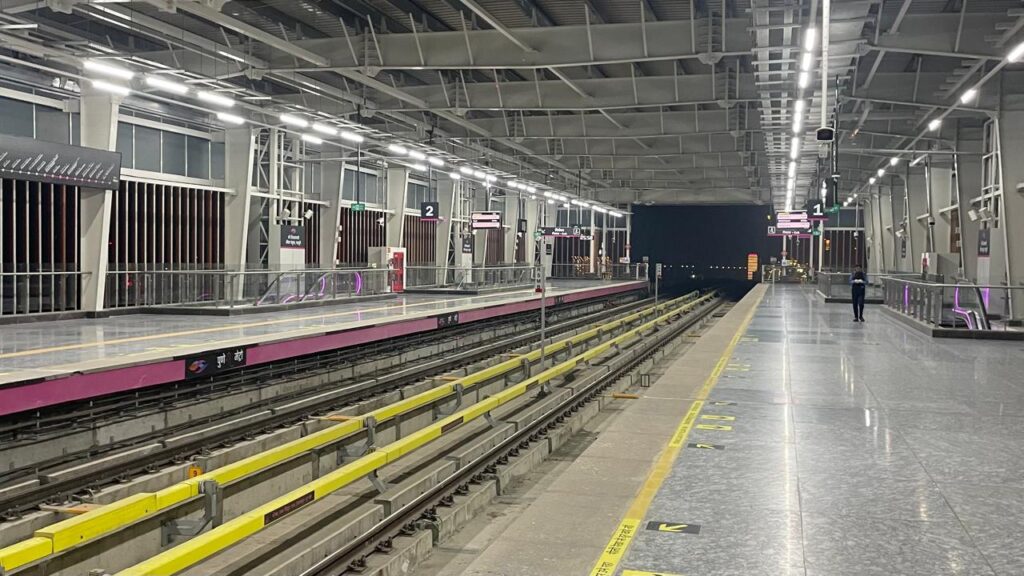

Pune, November 24, 2026: Pune Metro Line 3 will add two more stations for commuter service from the afternoon of November 25.

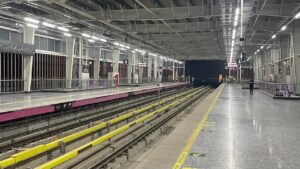
In a late evening announcement, the authorities at Pune Metro Line 3 have confirmed that two more stations, namely, Balewadi High Street and Balewadi Phata will be opened to commuters from 1530 hours on November 25, 2026.
This is following clearance from the Commissioner of Metro Rail Safety (CMRS) for these two stations.
With the opening of Balewadi High Street and Balewadi Phata, the total number of operational stations goes to 19 and only four stations remain to be opened.
Baner Gaon, Baner-Pashan Link Road, Shivajinagar and RBI stations will be the only four stations remaining on the 23-km Maan/Hinjawadi-District Court line.

With the opening of additional two stations, now there is unbroken connectivity from Maan station till Balewadi Phata and then after skipping two stations, the next operational station will be SPPU. After SPPU, the next operational station is Agriculture College and finally District Court.
It is noteworthy that Pune Metro Line 3, also known as Pink Line or Hinjawadi-Shivajinagar Metro Line, has received encouraging response since its launch on November 04, 2026. It has been registering an average ridership of nearly 50,000 commuters daily.
Many road users have reported decreased traffic on the roads leading to the Hinjawadi IT Park. The impact of metro services is particularly evident on the roads during peak hours, with traffic running smoothly.

Jayant Mahajan is a writer and contributor at PuneNow, covering the intersection of technology, climate action, and urban governance across Pune. With an extensive background in business management, digital transformation, and academia, Jayant brings real-world insight to local sustainability issues, from civic infrastructure to smart city data ethics. As an educator and founder of the Change Before Climate Change mission, he focuses on how Pune’s institutions and businesses can build future-ready, sustainable systems. Through his columns, Jayant bridges policy, technology, and practical action to help Punekars navigate a rapidly changing urban climate.