Maharashtra Coaching Centre Act: Draft Feedback Deadline Extended to September 15

The state government has extended the deadline for submitting public suggestions and objections on the draft Maharashtra Private Coaching Centres Act, 2026 to September 15. The decision comes after the School Education and Sports Department received 11,410 responses from parents, students, teachers, and coaching centre operators across the state. Public feedback was originally required to be submitted in writing to the Commissioner of Education or the Director of Education (Secondary and Higher Secondary) in Pune by 6:00 PM on September 4.

The proposed law seeks to create a binding regulatory framework for private coaching classes operating in Maharashtra. Prepared by the school education department, the draft legislation sets strict operational boundaries, fee regulations, and safety standards to curb commercial exploitation and reduce academic stress among students.
Under the proposed provisions, mandatory registration will apply to all private coaching centres enrolling more than 25 students. Each branch of a coaching institute must obtain a separate registration valid for three years, while existing establishments will get six months from the enforcement date to complete the process.
The draft places significant restrictions on student enrollment and daily schedules. Coaching centres will be barred from enrolling children below 13 years of age. Daily instruction hours will be capped at five hours, with prohibitions against holding classes too early in the morning or late in the evening. Institutes must also provide one mandatory weekly off day for both students and tutors, and cannot conduct internal examinations on the day following the weekly break.
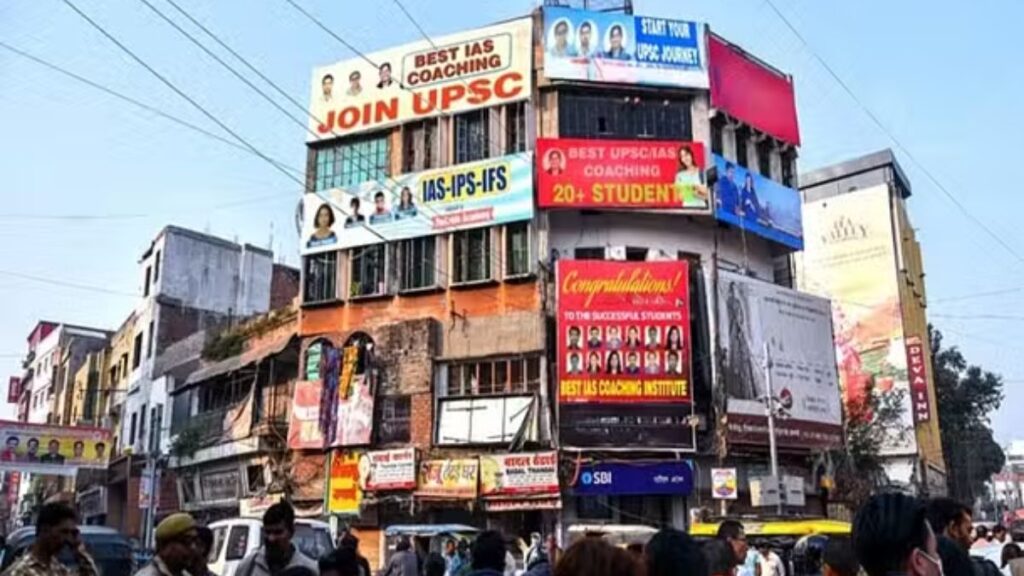
To address student mental health, the draft bans coaching institutes from segregating students into separate batches based on academic performance or marks. Institutes will also be prohibited from publishing advertisements making false guarantees or promises regarding ranks and scores in competitive examinations. Coaching centres must set up formal student counselling systems and publish details of faculty qualifications, course fees, intake capacity, and refund policies on their websites.
The proposed law also targets tie-ups between private classes and formal educational institutions. Coaching centres will not be allowed to operate from the premises of recognised schools or colleges, nor can they employ full-time school or college teachers. Arrangements commonly referred to as integrated or “dummy school” models will be completely prohibited.
Financial regulations in the draft require coaching classes to issue receipts for all payments and prohibit fee hikes during an ongoing course. If a student exits a course midway, the institute must process a pro-rata refund for the remaining duration within 10 days, including proportional refunds for hostel and mess charges where applicable.
Infrastructure guidelines prohibit coaching classes from operating out of building basements. Establishments must provide a minimum of one square metre of classroom space per student, maintain fire and building safety certificates, install CCTV cameras with one month of footage storage, and provide separate toilets for boys and girls.
Penalties for non-compliance are severe. Minor violations will attract fines ranging between ₹1 lakh and ₹5 lakh, while repeated or major violations could lead to fines between ₹10 lakh and ₹50 lakh, alongside the cancellation of registration and forced closure of the institute.
Education department officials said the state government will review all public feedback received by September 15 before finalising the bill for presentation in the state legislature.