Where Clouds Touch Earth: 10 Secret Maharashtra Escapes Turning Mystical This Monsoon


There is a specific moment when the chaos of modern city life softens. It happens when you leave the concrete highways behind and enter the ancient, moss-covered trails of the Western Ghats. As the skies open over Maharashtra, the landscape sheds its dusty brown summer coat and puts on a deep emerald green. The scent of wet earth fills the air, and thick white clouds descend to touch the valley floors.

While popular hill stations like Lonavala and Mahabaleshwar draw thousands of weekend drivers, true peace lies in the quieter pockets of the state. These are the places where the calls of hornbills echo through deep forests, and water flows right over ancient stone steps. Exploring these spots offers a completely different side of the rainy season, one where nature feels untouched and quiet.
Table of contents
Planning an escape to these spots reveals something spectacular: a collection of quiet high-altitude plateaus, ancient trade routes, and lakeside retreats that turn completely magical in the rain. Whether you want to explore old stone ramparts or stand by a quiet reservoir surrounded by fog, these ten lesser-known spots offer the perfect break from the daily grind.
At a Glance: Maharashtra’s Monsoon Escapes
| Destination | Distance from Reference Hub | Best For |
| Amboli | ~350 km from Pune / 490 km from Mumbai | Waterfalls and biodiversity |
| Gaganbawda | ~290 km from Pune | Deep valley views and mist |
| Aadrai Forest | ~135 km from Mumbai / 140 km from Pune | Jungle trekking and waterfalls |
| Tapola | ~145 km from Pune | Quiet lakeside walks |
| Bhandardara | ~165 km from Mumbai / 170 km from Pune | High peaks and dam overflows |
| Velneshwar | ~280 km from Pune | Rain-washed coastal scenery |
| Sandhan Valley Rim | ~180 km from Mumbai | Dramatic canyon views |
| Bhimashankar Forests | ~120 km from Pune | Ancient sacred groves and giant squirrels |
| Rajmachi Plateau | ~80 km from Mumbai / Pune | Historic forts and green trails |
| Kaas Plateau | ~130 km from Pune | Early wild blooms and quiet lakes |
1. Amboli
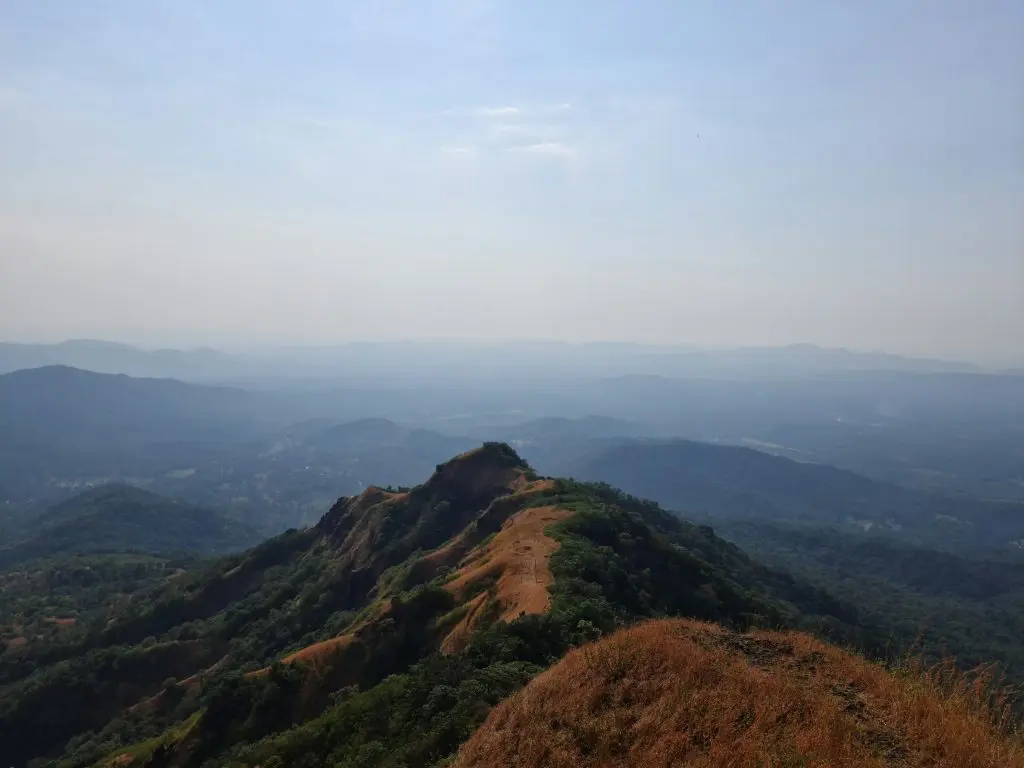
Located at the southernmost tip of Maharashtra, Amboli is one of the wettest places in the state. Because it drops dramatically down into the Konkan plains, the mountain pass receives incredibly heavy rainfall. This turns the entire region into a landscape of cascading water and constant cloud cover.
- Distance: ~350 km from Pune, ~490 km from Mumbai.
- What makes it special: The sheer volume of water. The cliffs around the main road come alive with dozens of temporary waterfalls that pour down into deep valleys.
- What to expect: Cool, damp weather with visibility that can drop to just a few meters within seconds as heavy clouds sweep through the trees.
- Best time to visit: July to late August for the full force of the rainy season.
- Unique features: It is a vital ecological zone recognized by the Forest Department, home to rare amphibians like the Malabar gliding frog.
- Photography opportunities: Capturing the winding mountain roads disappearing into dense gray fog and the water streaming down dark basalt rock faces.
- Ideal visitor: Nature photographers, wildlife enthusiasts, and travelers looking for a slow-paced hill station.
- Practical travel tips: Drive slowly on the ghat roads, use fog lights, and pack reliable waterproof gear to keep your electronics safe.
2. Gaganbawda
Perched high on the Sahyadri range near Kolhapur, Gaganbawda offers views across the Karul and Bhuibawda ghats. The area remains mostly free of large tourist crowds, preserving its quiet agricultural and forest landscape.
- Distance: ~290 km from Pune, ~450 km from Mumbai.
- What makes it special: The sweeping views. On a relatively clear day between downpours, you can look straight down into the vast Konkan plains stretching out below the cliffs.
- What to expect: Quiet country roads lined with tall wild grass, traditional red-tiled village homes, and a refreshing lack of noisy commercial markets.
- Best time to visit: June to September.
- Unique features: The historic Gagangiri Ashram sits atop a nearby hill, offering a peaceful space that frequently gets completely wrapped in clouds.
- Photography opportunities: The dramatic drop of the Karul Ghat pass as it snakes down through the green hills.
- Ideal visitor: Solo travelers and families seeking a quiet destination far from the usual tourist trail.
- Practical travel tips: Check road conditions with local authorities before heading out, as these high-altitude passes can experience minor landslides during extreme downpours.
3. Aadrai Forest
The Aadrai trail takes you deep into the rainforests near the Malshej Ghat region. It has quickly become popular among hiking groups who want a genuine jungle experience without traveling to the remote corners of the state.
- Distance: ~135 km from Mumbai, ~140 km from Pune.
- What makes it special: The dense canopy cover. Walking under the thick trees protects you from the direct force of the rain, creating a humid, vibrant environment where moss grows over every trunk.
- What to expect: A moderately challenging trek through muddy paths, small stream crossings, and a stunning view of the massive Kalu Waterfall in the distance.
- Best time to visit: July and August.
- Unique features: The trail winds through territory managed under the local Forest Department guidelines, ensuring the natural habitat stays well-preserved.
- Photography opportunities: Lush fields of bright green ferns, rushing streams over dark pebbles, and the majestic drop of the Kalu river.
- Ideal visitor: Fit travelers, outdoor enthusiasts, and regular hikers.
- Practical travel tips: Wear proper trekking shoes with a deep grip. Leeches are common in the undergrowth during the wet season, so carrying a small packet of salt or wearing specialized leech socks is a smart move.
4. Tapola
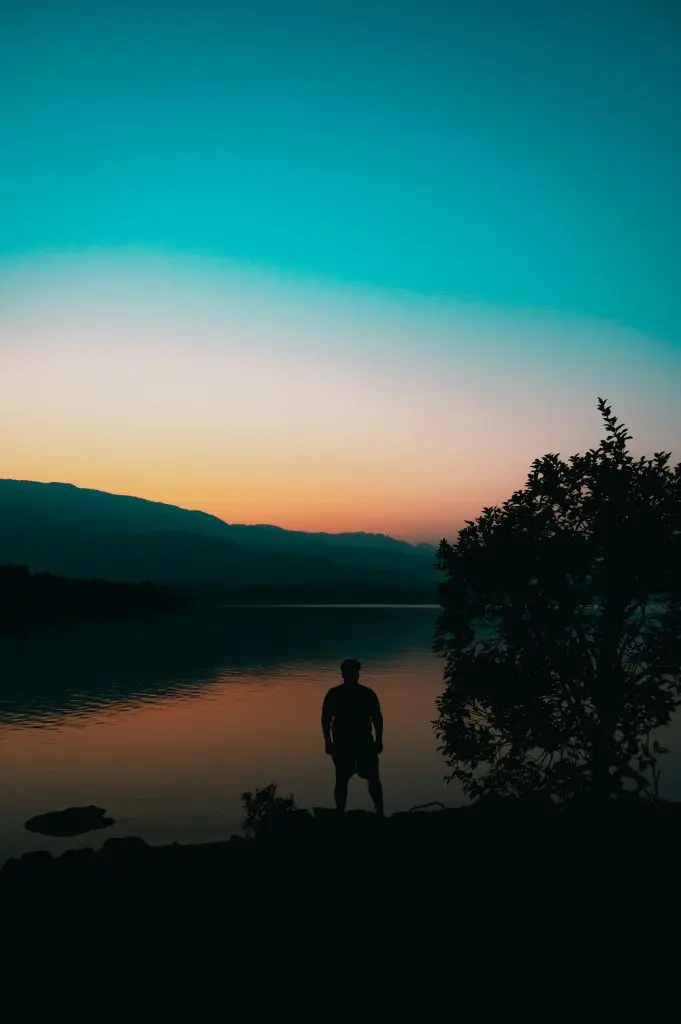
Often called the quiet cousin of Mahabaleshwar, Tapola sits down in the valley at the confluence of the Koyna and Solshi rivers. The massive Shivsagar Lake dominates the landscape, looking incredibly dramatic under dark, low-hanging storm clouds.
- Distance: ~145 km from Pune, ~260 km from Mumbai.
- What makes it special: The interaction between the vast water reservoir and the surrounding hills. Unlike the high viewpoints of Mahabaleshwar, here you are right down at the water’s edge.
- What to expect: A peaceful atmosphere where the sound of rainfall on the lake replaces the regular hum of traffic.
- Best time to visit: Late June to early September.
- Unique features: The proximity to the Koyna Wildlife Sanctuary, which lines the opposite banks of the lake with thick forest cover.
- Photography opportunities: Soft early-morning light cutting through lakeside mist, and traditional wooden fishing boats tied up along the banks.
- Ideal visitor: Couples and families looking for a relaxing lakeside stay at local homestays or Maharashtra Tourism Development Corporation (MTDC) approved eco-resorts.
- Practical travel tips: While boat rides are popular here, avoid heading out onto the open lake during heavy downpours or high winds for safety reasons.
5. Bhandardara
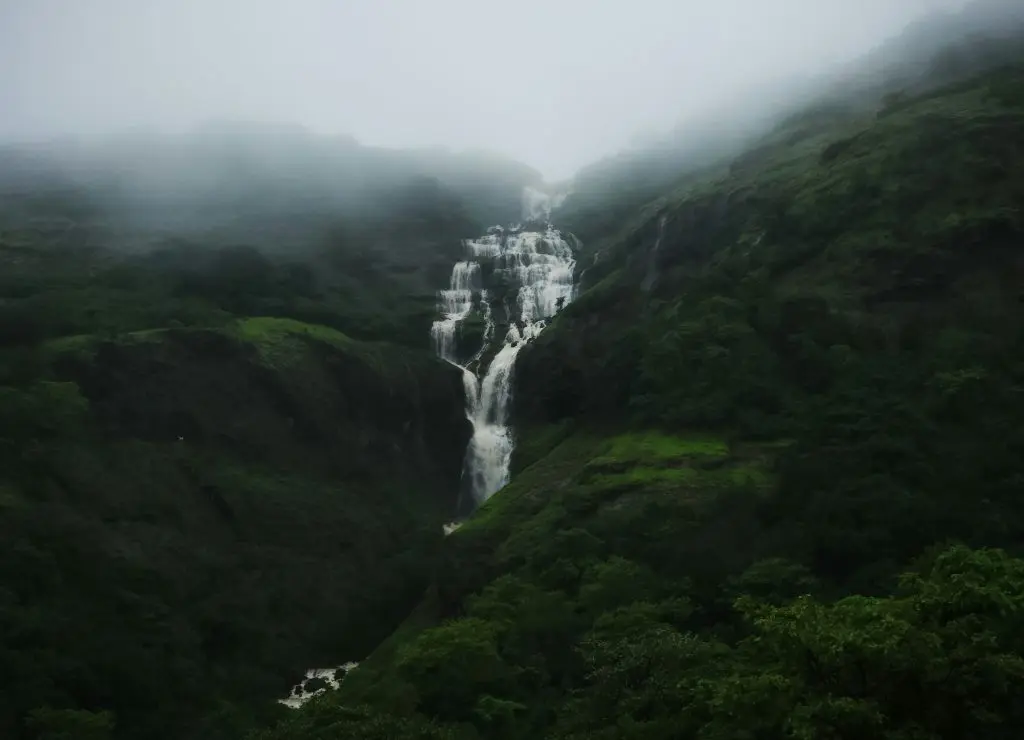
Situated in the Ahmednagar district, Bhandardara is a beautiful blend of high mountain peaks and engineering marvels. It sits right in the shadow of Mount Kalsubai, the highest point in Maharashtra, making the surrounding terrain incredibly dramatic.
- Distance: ~165 km from Mumbai, ~170 km from Pune.
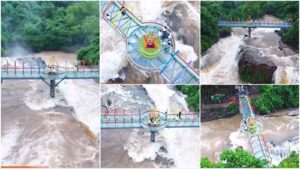
- What makes it special: The Arthur Lake and the historic Wilson Dam. When the dam gates open during heavy rains, the water creates a spectacular rush known locally as the Umbrella Falls.
- What to expect: A landscape dominated by towering peaks wrapped in clouds, roaring waterfalls, and vast stretches of open water.
- Best time to visit: July to September.
- Unique features: The region falls within the Kalsubai Harishchandragad Wildlife Sanctuary, offering pristine air quality and excellent environmental preservation.
- Photography opportunities: The massive natural amphitheater of mountains surrounding the reservoir, especially when streams flow down every rock face.
- Ideal visitor: Nature lovers and road-trippers who enjoy scenic mountain drives.
- Practical travel tips: Accommodations fill up quickly on weekends, so it is best to book your stay well in advance if you plan to spend the night.
Planning the Perfect Monsoon Road Trip
Taking a road trip through Maharashtra during the heavy rains requires a bit of extra preparation to ensure everything goes smoothly.
Vehicle Check
Before leaving the city, verify that your car or bike is fully ready for wet conditions. Check that your windshield wipers work perfectly, your brake pads have plenty of life left, and your tires have sufficient tread depth to avoid slipping on wet roads.
Timing Your Departure
The best time to leave Mumbai or Pune is early in the morning, around 5:30 AM. This helps you clear the main city exit toll plazas before the heavy weekend traffic builds up, giving you a smooth, stress-free drive through the scenic ghat sections.
Safety Note: Always keep track of weather updates from the India Meteorological Department (IMD). If they issue a red alert for heavy rainfall in the ghat areas, it is best to postpone your trip to avoid the risk of flash floods or road closures.
6. Sandhan Valley Rim
While the deep canyon of Sandhan Valley is too hazardous to trek inside during the monsoon due to sudden flash floods, the flat rim of the canyon offers an incredible viewpoint. Looking down into the sheer drop during a downpour is an unforgettable experience.
- Distance: ~180 km from Mumbai, ~195 km from Pune.
- What makes it special: The dramatic geography. Standing on the edge of the canyon feels like looking down into a massive rift in the earth, with clouds rising straight up out of the depths.
- What to expect: Strong, cool winds that blow rain upwards over the cliff edges, creating a fun “reverse rain” effect.
- Best time to visit: July and August.
- Unique features: The nearby ancient Ratangad Fort can be seen peeking through the clouds on clear intervals.
- Photography opportunities: The sheer rock walls of the canyon disappearing into white fog.
- Ideal visitor: Adventure seekers and travelers who appreciate rugged, grand landscapes.
- Practical travel tips: Stay well away from the slippery rock edges when it is windy or foggy, as visibility can change in an instant.
7. Velneshwar
If you want a change from the mountain passes, Velneshwar offers a stunning coastal monsoon experience. Located in the Konkan region, this quiet beach village turns incredibly fresh and clean under the seasonal rains.
- Distance: ~280 km from Pune, ~310 km from Mumbai.
- What makes it special: The combination of dark monsoon skies, rough ocean waves, and bright green coconut groves lining the sand.
- What to expect: A very slow, peaceful village life where you can enjoy hot local Konkan cuisine while watching the rain hit the sea.
- Best time to visit: June to August for the dramatic coastal weather.
- Unique features: An ancient Shiva temple sits right on the edge of the beach, providing a beautiful, calm atmosphere.
- Photography opportunities: Waves crashing against the dark rocks near the shore, and rain washing over the clean, empty sandy beach.
- Ideal visitor: Travelers looking for a quiet, relaxing getaway by the sea without the crowds of commercial beach towns.
- Practical travel tips: The ocean waves are extremely strong and unpredictable during the monsoon months. Swimming in the sea is strictly dangerous and should be avoided entirely.
8. Bhimashankar Forests
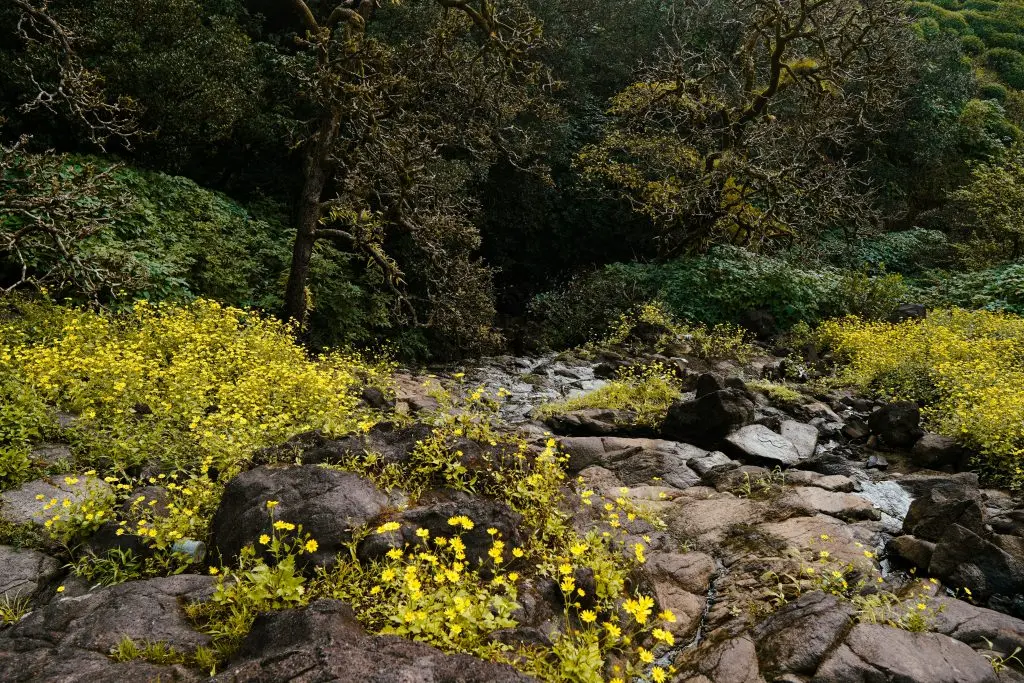
Home to one of the twelve sacred Jyotirlinga shrines, Bhimashankar is also a designated Wildlife Sanctuary. The dense, high-altitude forest is one of the best-preserved pieces of natural jungle left in the northern Western Ghats.
- Distance: ~120 km from Pune, ~220 km from Mumbai.
- What makes it special: The mystical, old-growth forest. The trees are covered in thick moss, wild orchids, and climbing vines, making it feel like an enchanted woodland when the fog rolls in.
- What to expect: Persistent light drizzle, cool temperatures, and a very peaceful atmosphere away from the main temple complex.
- Best time to visit: July to September.
- Unique features: This forest is the natural habitat of the Malayan Giant Squirrel, known locally as the Shekru, the state animal of Maharashtra.
- Photography opportunities: Thick fog weaving through ancient trees, and colorful wild mushrooms growing on damp fallen logs.
- Ideal visitor: Nature walkers, birdwatchers, and travelers seeking spiritual and natural quietude.
- Practical travel tips: Wear a durable raincoat rather than carrying an umbrella, as the forest trails can be narrow and require your hands to be free for balance.
9. Rajmachi Plateau
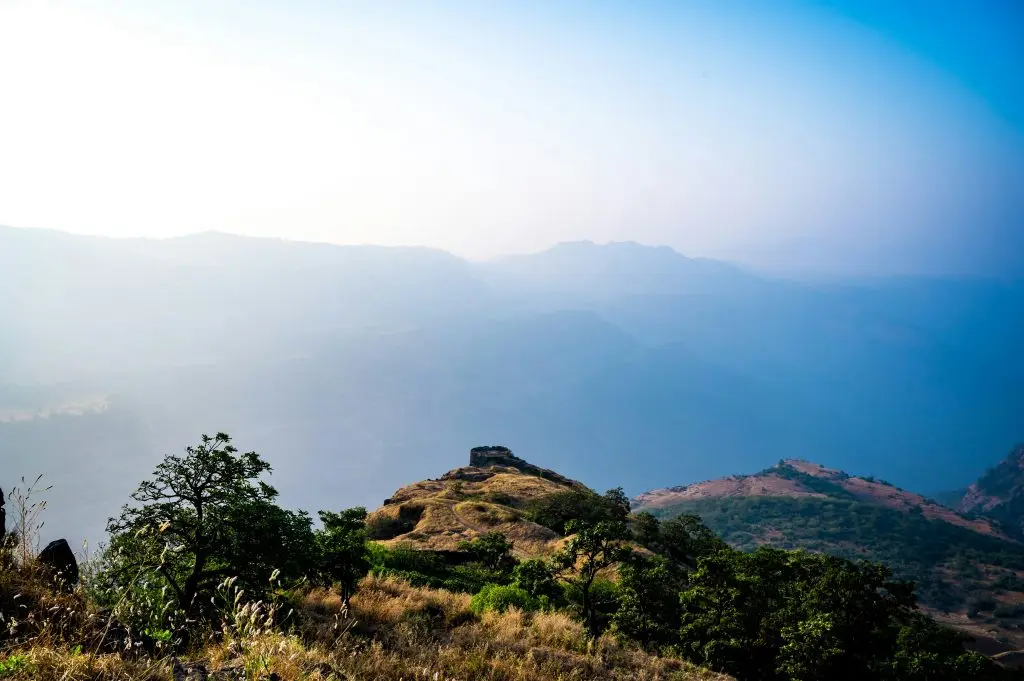
The plateau of Rajmachi sits between the twin hill stations of Lonavala and Khandala but requires traveling along a rough, unpaved road to reach it. This keeps the casual crowds away, leaving the historical trails open for those who enjoy a bit of adventure.
- Distance: ~80 km from Mumbai or Pune.
- What makes it special: The historic twin forts of Shrivardhan and Manaranjan guarding an ancient trade route. In the monsoon, the entire plateau turns into a vibrant green carpet.
- What to expect: Rushing streams that cut across the dirt roads, local village hospitality in Udhewadi, and grand views of the surrounding valleys.
- Best time to visit: June to August.
- Unique features: The water streams flow right over some of the old stone steps leading up to the fort fortifications, creating a unique walking experience.
- Photography opportunities: The ancient stone gateway of the fort framed by mist and wild green grass.
- Ideal visitor: Backpackers, history buffs, and amateur hikers.
- Practical travel tips: The approach road from Lonavala can get very muddy and slippery. It is best to use a vehicle with good ground clearance or enjoy the long, scenic walk from the base.
10. Kaas Plateau
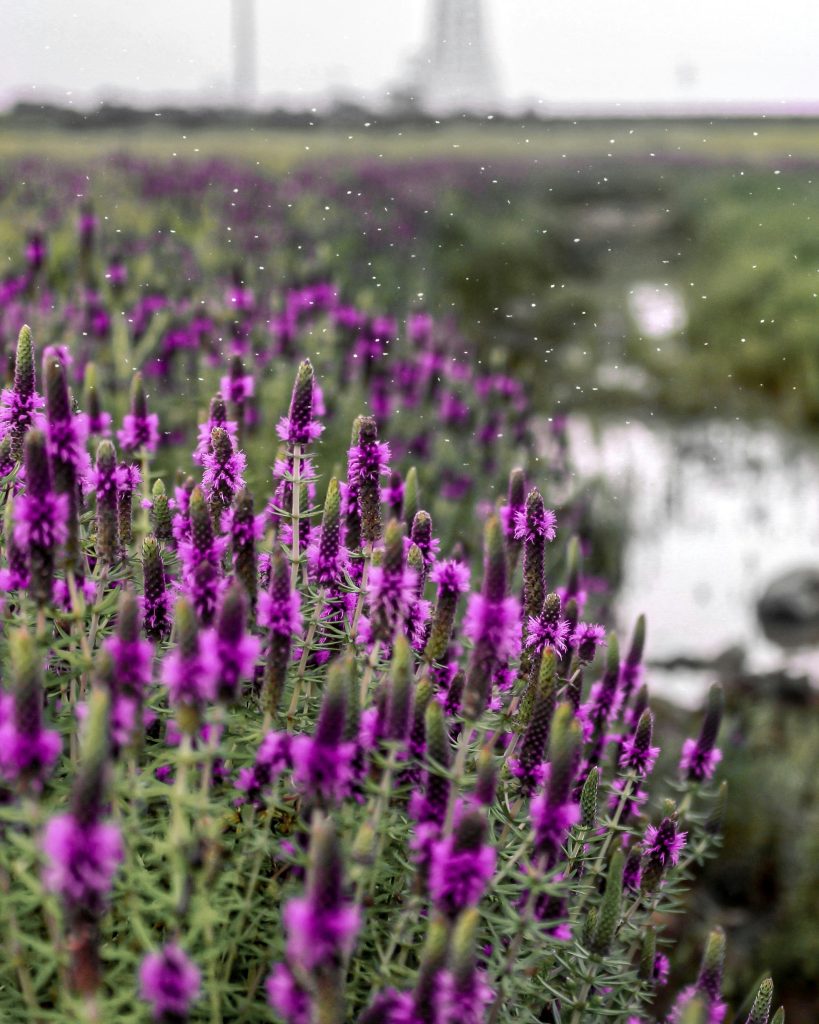
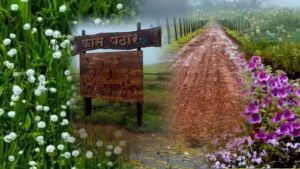
Known widely as Maharashtra’s own valley of flowers, this volcanic rock plateau near Satara is a UNESCO World Natural Heritage Site. While the peak bloom happens towards the end of the rainy season, the early monsoon turns the area wonderfully quiet and green.
- Distance: ~130 km from Pune, ~260 km from Mumbai.
- What makes it special: The unique ecosystem. The thin layer of soil over the dark basalt rock supports an incredible variety of rare, small wild flowers and carnivorous plants.
- What to expect: Vast, open windswept landscapes, tiny colorful buds beginning to peek through the grass, and the quiet waters of Kaas Lake nearby.
- Best time to visit: Late August to September for the full carpet of flowers, though August offers a quieter, mist-filled experience.
- Unique features: Strict environmental protections managed by the Forest Department mean visitor numbers are limited each day to protect the delicate plants.
- Photography opportunities: Macro shots of unique wild orchids glistening with raindrops against the dark volcanic stone.
- Ideal visitor: Botanists, nature enthusiasts, and families who enjoy easy, flat walks.
- Practical travel tips: You must register online via the official government portal before visiting, as spot entries are restricted to help preserve the environment.
Embracing the Spirit of the Sahyadris
Visiting these hidden corners of Maharashtra reminds us that the rainy season is not just a change in the weather, it is a complete transformation of the landscape. When you step off the busy tourist tracks and head into these misty plateaus and quiet forests, you get to experience the true, calm beauty of the region.
Traveling responsibly ensures these delicate environments stay beautiful for years to come. By supporting local village homestays, respecting the guidelines set by the Forest Department, and keeping the trails completely free of plastic waste, we can help protect these special places. So, pack your rain jacket, double-check your vehicle, and set out to discover the true magic of the monsoon.
Frequently Asked Questions
Which of these destinations is best for a family trip?
Bhandardara and Tapola are excellent choices for families. Both offer comfortable lakeside resorts approved by Maharashtra Tourism (MTDC), easy road access, and beautiful views that do not require any intense trekking.
Are these places safe to visit during very heavy rainfall?
Yes, provided you stay on marked paths and follow local advice. Avoid entering rushing streams, stay away from slippery cliff edges in thick fog, and always keep an eye on weather warnings issued by the India Meteorological Department (IMD).
Do I need to book entry tickets in advance for Kaas Plateau?
Yes, the Forest Department limits the number of daily visitors to protect the delicate flora. It is highly recommended to book your entry slot online through the official portal before planning your journey.
What are the essential items to pack for a monsoon day trip?
Always carry a high-quality raincoat, a waterproof cover for your backpack, a small flashlight, clean drinking water, dry snacks, and a small packet of salt or specialized socks to handle leeches if you are walking on forest trails.
Can we see wildlife at these spots during the rainy season?
Absolutely. Places like the Bhimashankar Forests and Amboli are rich in biodiversity. You can easily spot unique birds, colorful amphibians, and the Malayan Giant Squirrel if you maintain silence along the forest walkways.