FSSAI’s DART Book: Detect Food Adulteration in Everyday Items at Home Using Simple Tests
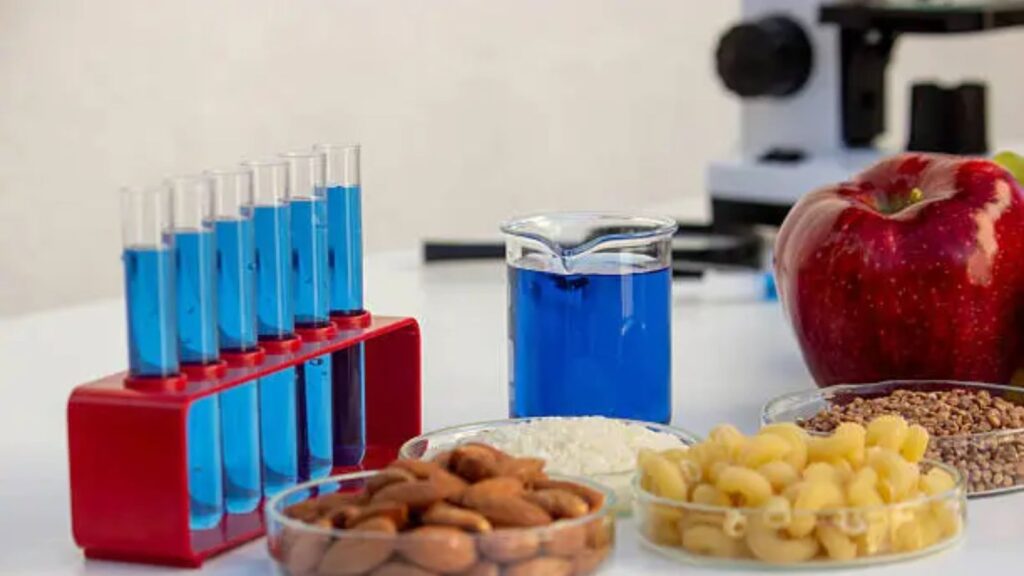

The Food Safety and Standards Authority of India (FSSAI) is encouraging consumers to identify common food adulterants through its DART Book, a simple guide that explains how to detect food adulteration using tests that can be performed at home.

DART stands for Detect Adulteration with Rapid Test. The book is a compilation of simple tests that consumers can use to check everyday food items, including spices, milk and edible oil, for common adulterants and contaminants.
The guide covers common forms of adulteration, including artificial and toxic colours and extraneous substances deliberately added to food products. It aims to help consumers identify potential adulteration, understand food purity and safety, and make more informed food choices.
FSSAI conducts food testing through a network of its notified laboratories across the country to check for adulterants, chemical and microbiological contaminants, and other food safety parameters.
Consumers can also submit food samples to these laboratories for testing. If a sample is found to be unsafe, the testing cost is reimbursed to the consumer. Food safety officers also collect samples of such products for enforcement purposes.
While many food safety tests require specialised equipment and trained personnel, FSSAI’s DART initiative focuses on common tests that citizens can perform themselves.
The authority hopes the compilation will help increase food safety awareness and encourage consumers to take an active role in identifying adulteration in their daily food.
Click Here to Download the FSSAI DART Book
Disclaimer: The home tests described in FSSAI’s DART Book are intended for awareness and preliminary screening only. They do not replace laboratory testing or official food safety assessments.
The information provided in the above article is based on publications and material issued by FSSAI. Readers are advised to refer to the original FSSAI publications and independently verify the information before relying on it.