No More Glaring Headlights; Govt Proposes Default Low-Beam and Brightness Limits for Vehicle Headlights
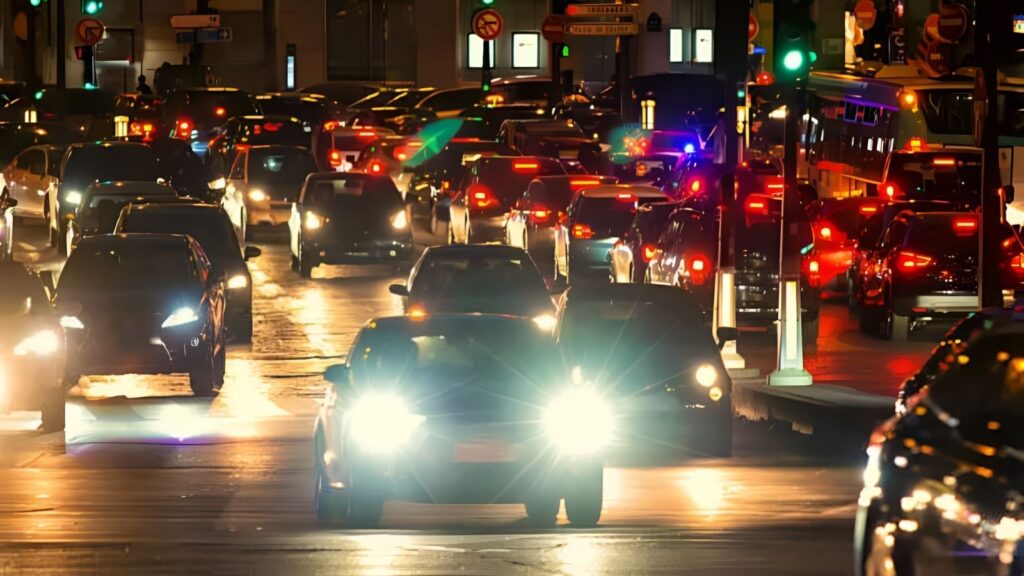

The Ministry of Road Transport and Highways (MoRTH) has issued much awaited draft amendments to the Central Motor Vehicles Rules (CMVR). The new regulations will make passing beam (low beam) the default setting for automatic headlamps while capping maximum illumination levels for both two-wheelers and four-wheelers across India.

The decision after years of public awareness drives failed to prevent motorists from illegally using high beams on well-lit urban roads.
Major Overhaul of Automatic Headlamp On (AHO) System
Under the proposed norms, the existing Automatic Headlamp On (AHO) mechanism will be redesigned. Currently, AHO switches on whichever beam was selected during the previous trip, often leaving high beams active by default.
Under the revised framework, all new two-wheelers must default strictly to low beam (passing beam) whenever the automatic system turns on. Riders can only manually toggle to high beam when explicitly required.
Slashes to Headlamp Brightness Limits (Candela Reductions)
To mitigate temporary blindness caused by aftermarket LEDs and overly bright factory lamps, the Centre is imposing sharp cuts on luminous intensity:
- Two-Wheelers: Permissible intensity reduced from 150,000 candela (cd) to 100,000 cd.
- Four-Wheelers: Permissible intensity lowered from 225,000 candela (cd) to 150,000 cd.
Temperature Caps on White LED Lights
Responding to research proving that high-kelvin white light causes extreme visual fatigue and blinding flares, MoRTH has restricted headlamp and front fog lamp color temperatures to a maximum of 6,500 Kelvin (K). Additionally, main-beam mounting heights must align with passing-beam standards to prevent lights from aiming directly into oncoming drivers’ eyes.
Smart Speed-Sensitive High-Beam Audio Alerts
To encourage responsible driving in city traffic, manufacturers will be required to equip new cars and two-wheelers with smart audio prompts.
- City Driving: If a driver switches to high beam while driving under 60 km/h, the vehicle will emit an audio alert nudging them back to low beam.
- Highway Driving: The alert automatically suppresses at speeds exceeding 60 km/h, preserving high-beam illumination on dark, unlit highways where long-range visibility is crucial for safety.
Mandatory Safety Tapes for Heavy Vehicles
The draft notification also mandates high-grade, genuine reflective tapes on all commercial buses, trucks, and heavy vehicles. This step addresses frequent rear-end crashes during dense fog and poorly lit night conditions on national corridors.