No More Water Cuts in Pune: Dam Storage Hits Annual Consumption Mark After Heavy Monsoon Spells
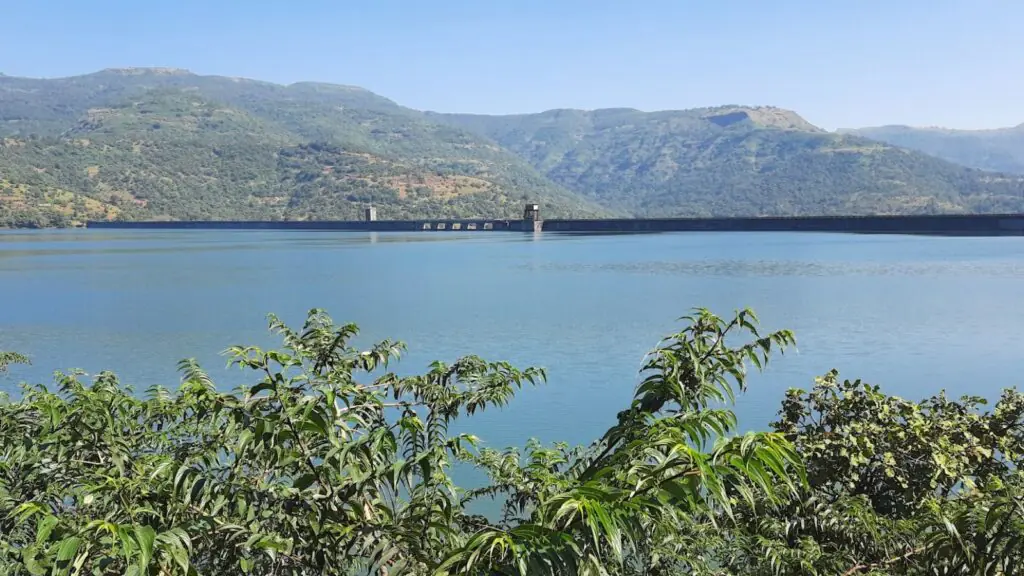

PUNE: In a major relief for over five million residents across the Pune metropolitan area, the Pune Municipal Corporation (PMC) has officially deferred plans to impose alternate-day water cuts after collective reservoir storage across the Khadakwasla dam cluster crossed the city’s total annual consumption requirement.

Sustained downpours across the Western Ghats and catchment zones over the past week have pushed the total combined live stock in the four primary Mutha basin reservoirs, Khadakwasla, Panshet, Varasgaon, and Temghar, past the 18.3 TMC (Thousand Million Cubic feet) mark. With Pune drawing an average of 1.5 TMC monthly, the current reserves comfortably cover the city’s baseline requirement of 18 TMC for the entire year.
Reservoir Storage Matches Annual Consumption Quota
The rapid recovery in reservoir levels comes following intense rainfall spells across the upper catchment areas. Just weeks after civic authorities warned of potential supply rationing due to a delayed monsoon onset, the four-dam cascade experienced a dramatic inflow surge, adding over 2 TMC of water within a single 24-hour window.
The combined storage across the Khadakwasla complex has now surged past 20.1 TMC, representing over 69% of the total combined capacity of 29.1 TMC.
Breaking Down Dam-by-Dam Water Levels
- Khadakwasla Dam: The primary facility regulating supply into the city canal network reached 92.08% capacity (51.48 MCM), prompting irrigation officials to initiate controlled spillway releases into the Mutha River.
- Panshet Dam: The largest holding reservoir in the immediate cascade crossed 71% capacity (214.13 MCM), storing over 7.27 TMC of usable stock.
- Varasgaon & Temghar Dams: Varasgaon sits comfortably at 55.42% capacity, while Temghar reached 55.96% capacity, with active inflows continuing unabated.
- Pavana Dam (Pimpri-Chinchwad): Serving the neighboring industrial twin city, Pavana Dam surged to 80.99% capacity (222.19 MCM) following more than 1,600 mm of cumulative rainfall this season.
Official PMC Declaration and Mayor’s Review
Addressing concerns regarding potential water cuts, Pune Mayor Manjusha Nagpure confirmed that regular daily water distribution will continue without interruption across all municipal zones.
“The water supply in the city is continuing without interruptions. Constant reviews are underway regarding rainfall in catchments, available water stock, and distribution schedules. Residents will continue to receive supply as per standard timetables and should not believe unverified rumors regarding mandatory cuts.” — Manjusha Nagpure, Mayor of Pune
PMC Water Supply Department officials noted that engineering teams are currently focusing resources on resolving localized low-pressure complaints and evening out distribution disparities rather than enforcing municipal supply restrictions.
Irrigation Department Urges Continued Water Conservation
While civic authorities have ruled out immediate supply cuts, the Maharashtra Water Resources Department has issued a note of caution. Officials highlighted that while Pune city’s drinking quota of 18 TMC is secured, the four dams have a total storage ceiling of 29.1 TMC. The remaining capacity is vital for seasonal agricultural allocations via the Mutha Right Bank Canal and rural township distribution later in the dry season.
With heavy rainfall warnings remaining active across the ghat regions, irrigation engineers continue to monitor inflow rates closely to manage controlled discharges and prevent urban flood risks along low-lying riverbed settlements.
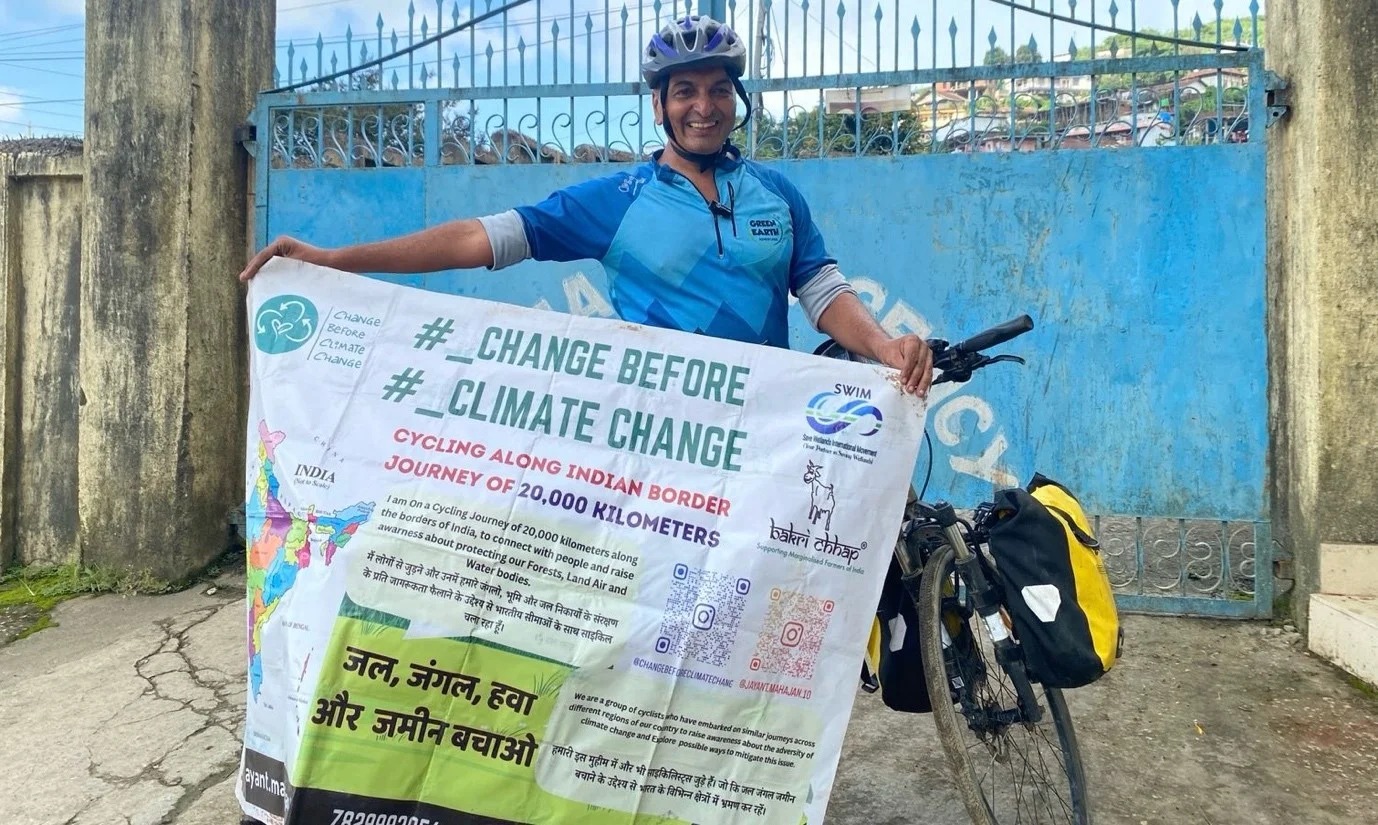
Jayant Mahajan is a writer and contributor at PuneNow, covering the intersection of technology, climate action, and urban governance across Pune. With an extensive background in business management, digital transformation, and academia, Jayant brings real-world insight to local sustainability issues, from civic infrastructure to smart city data ethics. As an educator and founder of the Change Before Climate Change mission, he focuses on how Pune’s institutions and businesses can build future-ready, sustainable systems. Through his columns, Jayant bridges policy, technology, and practical action to help Punekars navigate a rapidly changing urban climate.