Looking for a Weekend Day Trip From Pune? Here’s Maharashtra’s Best Kept Secret You’ll Wish You Found Sooner
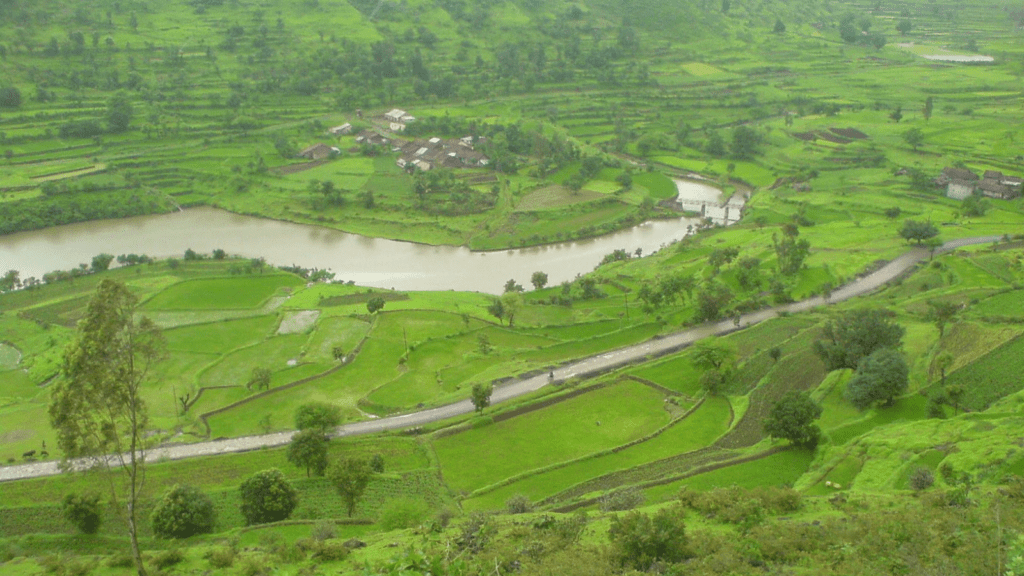

While most weekend crowds from Pune and Mumbai head straight to Lonavala or Mahabaleshwar the moment the first rains hit, a quieter, far more dramatic spectacle unfolds just a short drive away. Nestled in the heart of the Western Ghats (Sahyadris), Junnar is a historic town that transforms into a brilliant emerald paradise during the monsoon.

Located roughly 90 km from Pune and 150 km from Mumbai, this underrated getaway manages to fly under the radar while offering everything a perfect monsoon weekend needs: roaring waterfalls, mist-shrouded mountain passes, centuries-old rock-cut caves, and formidable Maratha forts.
The Birthplace of a King: Shivneri and Jivdhan Forts
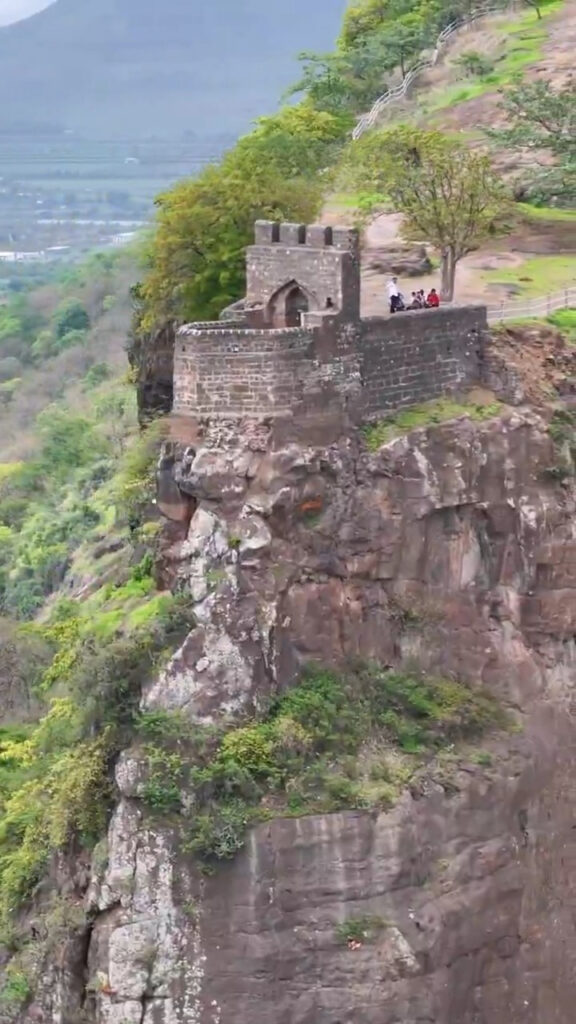
No trip to Junnar is complete without acknowledging its profound historical roots. Just 2.3 km from the town center stands Shivneri Fort, the legendary 17th-century birthplace of Chhatrapati Shivaji Maharaj. Walking up its massive gates in the gentle monsoon drizzle, with wisps of fog rolling over the stone pathways, feels like stepping back in time.
For those seeking a more rugged challenge, Jivdhan Fort (situated 21 km from Junnar) offers a classic Sahyadri trek. The steep, rocky climbs reward you with sweeping, panoramic views of the wind-swept valleys below, just make sure to wear sturdy boots, as the stone steps can get slick in the rain.
Ancient Caves and Sacred Steps
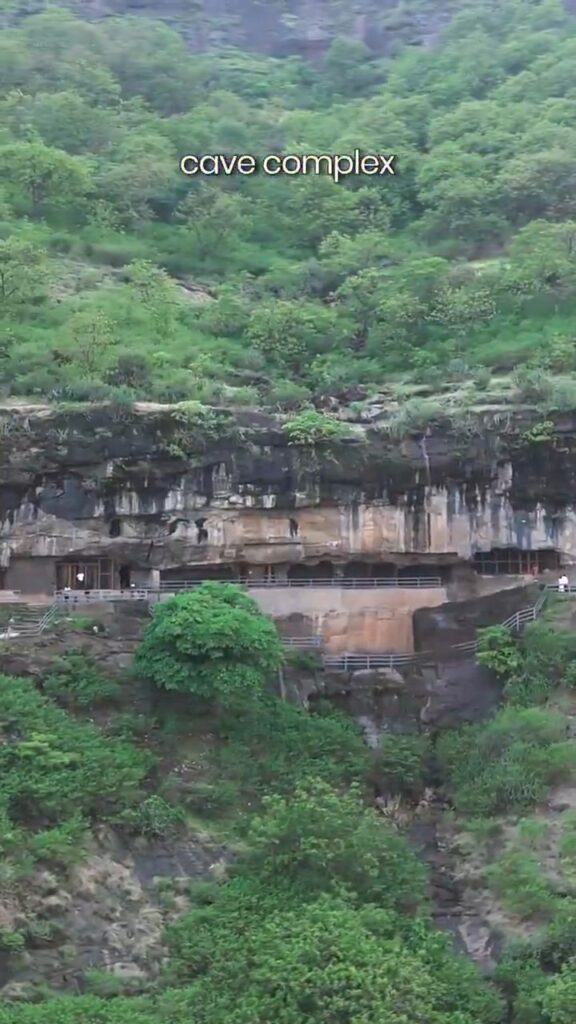
Junnar’s hills are practically carved with history. A mere 5 km north of town lies the ancient Buddhist complex of the Lenyadri Caves. To reach the main shrine, which is uniquely housed within one of these rock-cut caves, you’ll climb 300 steps alongside curious local langurs. This is the Girijatmaj Ganpati Temple, one of the eight revered Ashtavinayak temples in Maharashtra. What makes it spectacular is its construction, the entire inner sanctum is naturally lit by daylight filtering through the cave opening, with no artificial pillars supporting the massive hall.
If you enjoy spiritual detours, stop by the peaceful Vighneshwar Temple in Ozar (9 km from Junnar). Set beautifully on the banks of the Kukdi River, it is another essential stop on the Ashtavinayak pilgrimage circuit.
Chasing Waterfalls and High Mountain Passes
If your idea of a monsoon break involves wind-whipped rain and the roar of rushing water, Junnar serves as the perfect base camp.
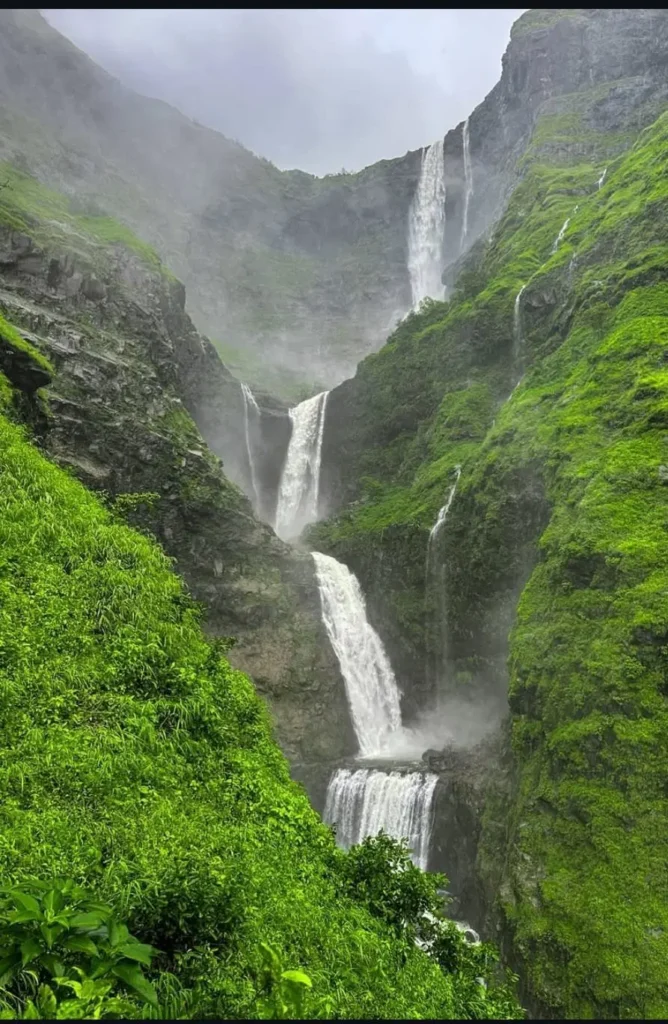
- Malshej Ghat: An hour and a half’s drive (65 km) from the town center, this iconic mountain pass becomes an ethereal landscape of cascading waterfalls and deep, fog-filled valleys.
- Kalu Waterfall & Khireshwar: For seasoned trekkers, Khireshwar Village serves as the gateway to the trek for Kalu Waterfall, the highest and most powerful waterfall in the entire Malshej region.
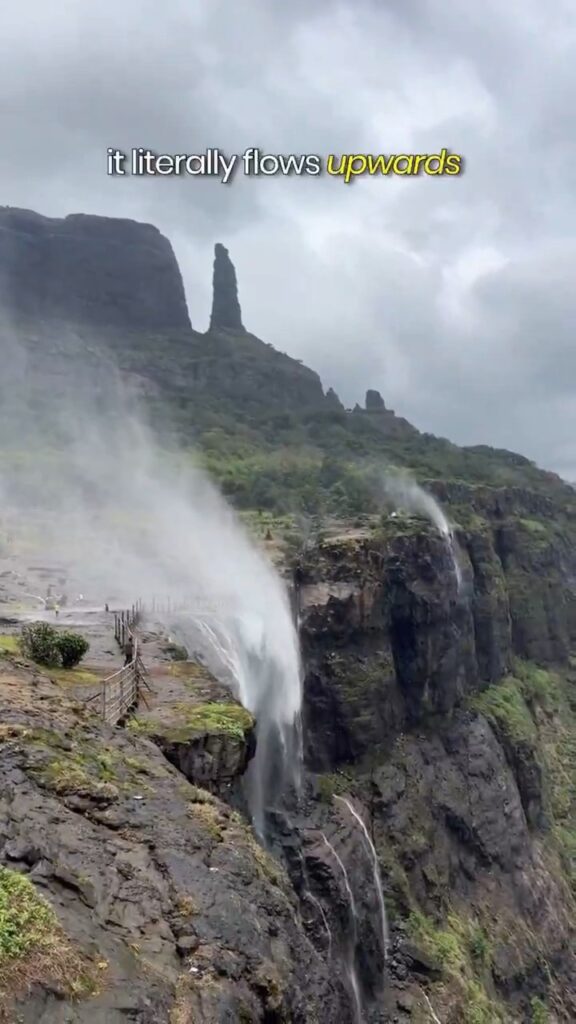
- Naneghat: This ancient trade route, dating back to the Satavahana dynasty, features a giant stone pot once used to collect toll taxes from traders. Standing at the edge of the pass with the wind blowing the rain upward, creating the famous “reverse waterfall” effect, is an unforgettable experience.
- Pimpalgaon Joga & Vadaj Dams: For a slower afternoon, take a quiet drive past these expansive reservoirs. In the monsoon, they fill to the brim, attracting migratory birds and offering peaceful, misty vistas.
A Giant in the Valley: GMRT
Before heading home, make a detour to see the Giant Metrewave Radio Telescope (GMRT) at Khodad, roughly 18 km from Junnar center. Operated by the National Centre for Radio Astrophysics (NCRA), this massive array of 30 dish antennas looks like something straight out of a science fiction film, especially when contrasted against the rural green fields of Pune district. It’s a fascinating, unexpected stop for space and science buffs.
Whether you are navigating the winding roads of Malshej, retracing history at Shivneri, or simply enjoying hot cutting chai by a misty reservoir, Junnar offers a slow-paced, soul-stirring alternative to the commercialized hill stations nearby. Pack an umbrella, hit the road early, and let the Sahyadris work their monsoon magic.