LPG Booking Scam: Maharashtra Cyber Advises Caution Involving Fake KYC Updates and OTP fraud
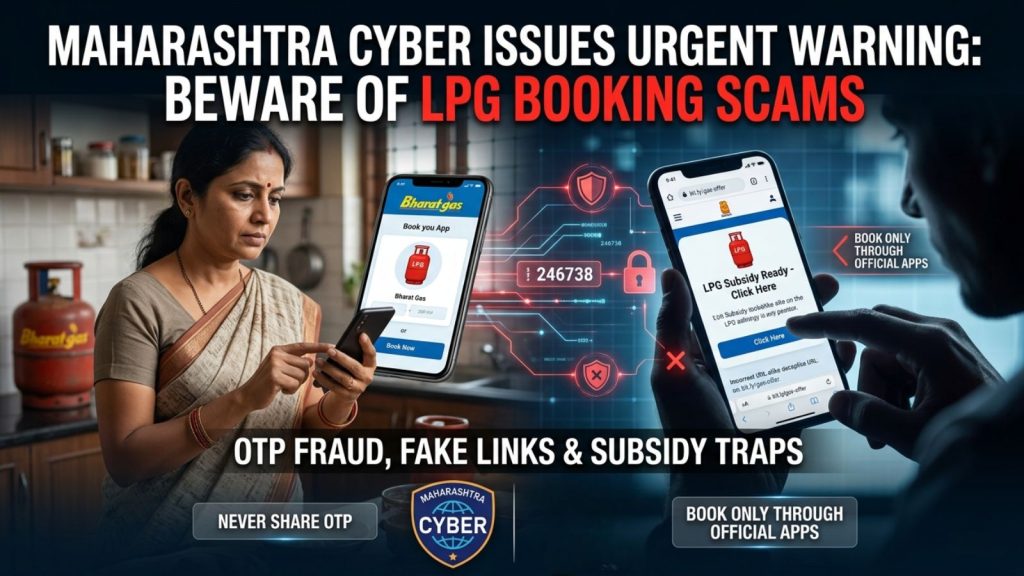
AI-Generated Image for Representation

Maharashtra Cyber, the state’s nodal agency for cybercrime, has issued a high-level advisory warning citizens about a surge in fraudulent schemes targeting LPG consumers. Scammers are increasingly using sophisticated tactics to siphon funds and steal personal data under the guise of gas cylinder bookings and subsidy claims.

How the Scams Operate
According to digital forensic experts, fraudsters primarily use phishing links and social engineering to deceive victims. Common tactics include:
- KYC Update Requests: Users receive SMS or WhatsApp messages claiming their LPG connection will be suspended unless they update their KYC immediately via a provided link.
- Subsidy Lures: Scammers send messages promising “Instant Subsidy Credits” or “Heavy Discounts,” directing users to fake websites designed to harvest banking credentials.
- OTP Fraud: Impersonating gas agency representatives, callers ask for One-Time Passwords (OTPs) under the pretext of “confirming” a booking or “verifying” a delivery.
Essential Safety Guidelines
To protect against these financial threats, Maharashtra Cyber has outlined a strict set of “Do’s and Don’ts” for the public:
The Do’s:

- Use Official Channels: Only book cylinders through official apps (e.g., BHIM, BharatGas, HPPay, IndianOil One) or verified company websites.
- Verify URLs: Always check for the “https://” and the official domain name before clicking any link.
- Enable Alerts: Ensure SMS and email notifications are active for all banking transactions.
- Verify Callers: Always cross-check the identity of anyone claiming to be from a gas agency using official customer care numbers.
The Don’ts:
- Never Share OTPs: No legitimate gas agency or bank will ever ask for your OTP or PIN.
- Avoid Third-Party Links: Do not click on shortened URLs (like bit.ly links) or unknown attachments regarding gas bookings.
- Ignore Unverified Calls: Do not trust callers demanding immediate payment or personal details to prevent “disconnection.”
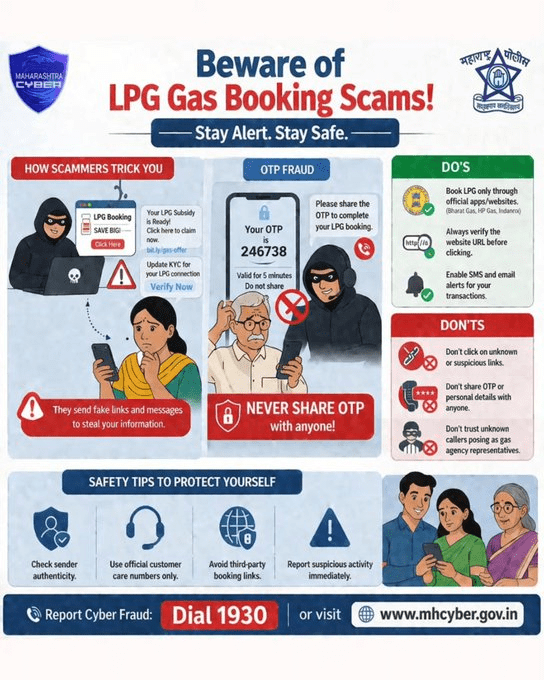
Reporting Fraud: Citizens who encounter suspicious activity or fall victim to a scam should immediately dial the national cybercrime helpline at 1930 or register a complaint at www.mhcyber.gov.in.