Indian Railways New Rules 2026: No Platform Entry for Waitlisted Passengers at 76 Stations; Middle Berth Timings Clarified
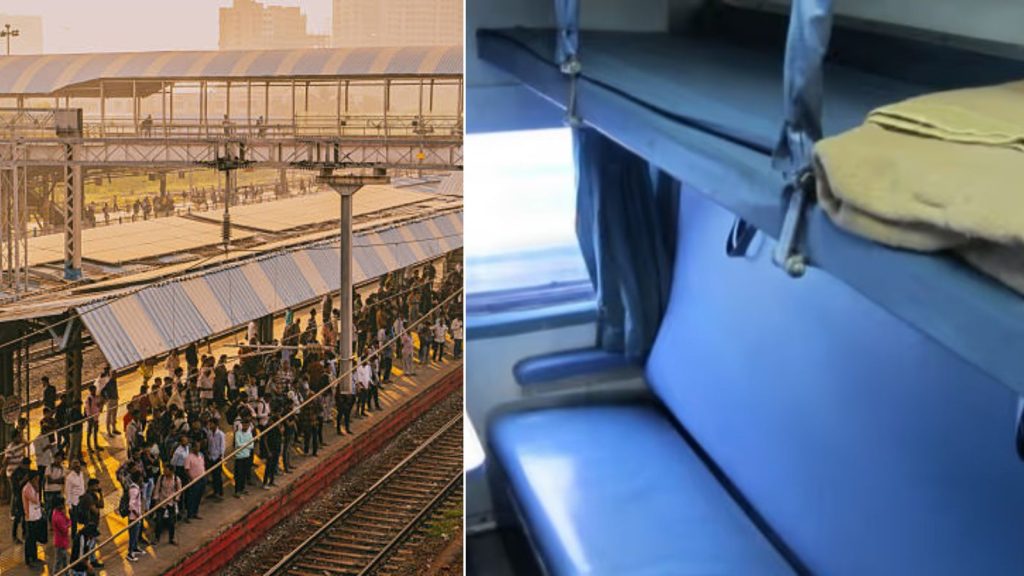

In a move to drastically reduce platform overcrowding and streamline the travel experience, Indian Railways has officially implemented a strict access control protocol across 76 high-footfall stations. Under the new “Reform Express” guidelines, waitlisted passengers will no longer be permitted direct entry to station platforms, while rules regarding middle berth usage have been strictly reinforced for all reserved coaches.

New Access Control: 76 Stations to Get Passenger Holding Areas
The Ministry of Railways, led by Union Minister Ashwini Vaishnaw, has initiated a comprehensive plan to establish dedicated Passenger Holding Areas outside the main station premises at 76 major hubs. Following the successful model of the Yatri Suvidha Kendra at New Delhi Railway Station, these zones are designed to manage peak-hour footfall effectively.
How the New Platform Entry Works:
- Confirmed Ticket Holders: Granted direct access to platforms via automated or manual checks.
- Waitlisted & Unreserved Passengers: Must wait in the designated external holding areas. These zones are equipped with RO drinking water, toilets, seating, ATVMs, and electronic train information boards.
- Status Verification: Passengers may only proceed to the platform once their ticket status is upgraded to RAC or Confirmed, or as per regulated entry by station authorities.
Indian Railways Middle Berth Rules: Sleeping vs. Seating Hours
To settle recurring disputes among passengers, the Railway Board has reiterated the official timings for using middle berths in Sleeper and AC-3 Tier coaches.
The 10 PM to 6 AM Rule
According to the latest advisory, the designated sleeping time is from 10:00 PM to 6:00 AM. During these hours, the middle berth passenger is entitled to deploy their berth and sleep.
Daytime Protocol (6 AM to 10 PM)
Outside of the designated sleeping window, the middle berth must remain folded. This ensures that the lower berth is available as shared seating space for all three passengers (Lower, Middle, and Upper).
Editorial Note: Co-passengers are encouraged to remain flexible for pregnant women, senior citizens, or passengers with medical conditions who may require rest outside these fixed hours.
Enforcement and ‘War Rooms’
In case of any disagreement over seat usage or timing, the Travelling Ticket Examiner (TTE) has the final authority to enforce these rules. To support this, “War Rooms” are being established at major stations where senior officers will coordinate real-time crowd management.
Furthermore, the post of Station Director has been upgraded at these 76 stations, granting them financial and administrative power to regulate ticket sales based on real-time station capacity.
Other Key Changes in 2026
- Boarding Point Changes: Passengers can now change their boarding station digitally up to 30 minutes before the train departs from its origin.
- Cancellation Policy: To curb speculative bookings, the cancellation window for refunds has been revised to 72, 24, and 8-hour tiers.
- AI Surveillance: High-traffic zones are being fitted with AI-enabled CCTV cameras for automated crowd monitoring.