A Game-Changer for Pune-Mumbai Connectivity; Shirur-Karjat Highway Gets Cabinet Nod
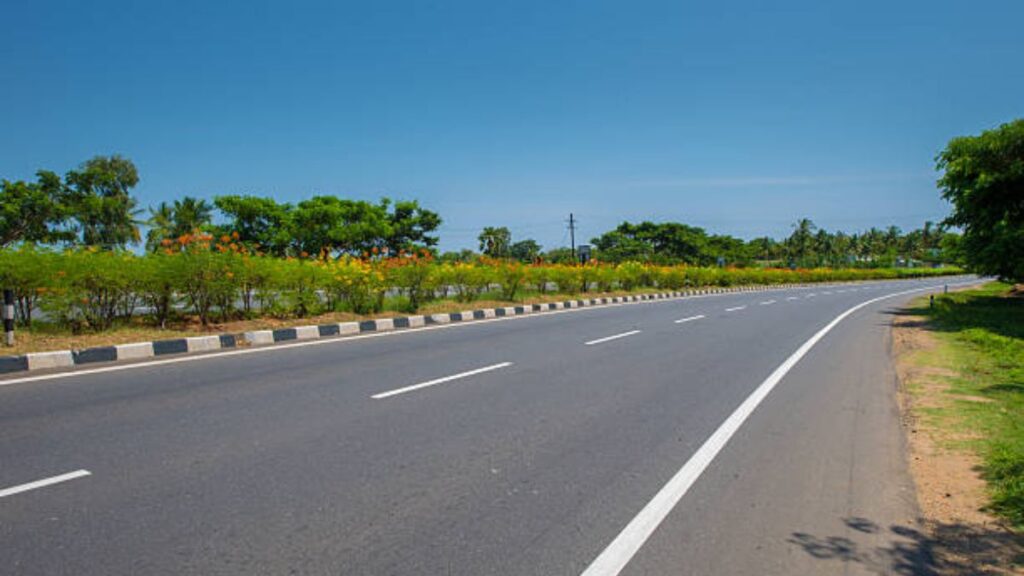

In a landmark decision that promises to reshape the transportation landscape of the region, the Maharashtra government’s Cabinet Infrastructure Committee has granted in-principle approval for a new alternative route connecting Pune and Mumbai. The ambitious ‘Neral-Karjat-Bandra-Pait-Malathana-Shirur’ corridor is being hailed as a permanent solution to the chronic traffic congestion plaguing the existing Mumbai-Pune Expressway, particularly affecting the industrial belts of Chakan, Talegaon, and Shikrapur.

The approval marks the culmination of persistent follow-up by Shirur’s Member of Parliament, Dr. Amol Kolhe, with Chief Minister and the Deputy Chief Minister. “The persistent follow-up you have done with the Chief Minister and Deputy Chief Minister has finally achieved decisive success,” Dr. Kolhe shared in a post, confirming the project’s decisive breakthrough.
A Multi-Layer Marvel to Bypass Industrial Chokepoints
The proposed route is designed to offer permanent relief to the thousands of commuters and heavy vehicles that currently navigate the congested corridors of Chakan, Talegaon, and Shikrapur. A key highlight of the project is the development of a 53-km stretch between Pune and Shirur, which will be transformed into the country’s longest 10-lane ‘multi-layer’ advanced route. This sophisticated design is expected to handle massive traffic volumes efficiently, separating local and high-speed through traffic to ensure a seamless flow .
According to detailed reports, this broader vision aligns with a comprehensive plan to create a new high-speed corridor. The new alignment is part of a larger strategy to link the Jawaharlal Nehru Port Trust (JNPT) directly with Pune’s eastern periphery . This direct connectivity is expected to be a boon for trade and employment, transforming Shirur into a significant logistics hub. By diverting port-bound cargo and long-distance freight away from the saturated Mumbai-Pune Expressway, the project will not only decongest the old route but also slash travel times and logistics costs for businesses .
Strategic Importance and Project Scope
The approved route is a critical component of a larger infrastructure push for western Maharashtra. The broader project involves constructing a new alignment starting near Mumbai’s Atal Setu, passing through key nodes like the Navi Mumbai International Airport and JNPT, before traversing the Sahyadri range and connecting to Pune’s upcoming Ring Road .
Reports from February 2026 indicated that the state government was ready to spend approximately ₹12,000 crore on the Uran-Karjat-Shirur highway . This 135-km project, planned in two phases, will feature four lanes, five tunnels, six major bridges, and 48 small bridges, requiring around 670 hectares of land. The first phase will cover 60 km, followed by a 75-km second phase . This new route will serve as a vital bypass, allowing traffic from Mumbai, Thane, Navi Mumbai, and the Mumbai Metropolitan Region (MMR) to head towards Pune, Ahmednagar, Solapur, and further south without ever having to touch the congested Lonavala ghat section .
A New Era of Speed and Progress
The approval has been welcomed as a major victory for regional development. For years, the industrial growth of areas like Shirur was constrained by connectivity issues. With JNPT now set to be directly linked to the region, the expressway will add to “Shirur’s glory” and “undoubtedly bring a new speed to progress by saving travel time,” Dr. Kolhe stated.
This project, coupled with the nearly completed ‘missing link’ on the existing expressway—which is 98% finished and expected to open by Maharashtra Day (May 1), signals a new era of high-speed, efficient travel between Pune and Mumbai . While the ‘missing link’ will immediately decongest the Khandala-Lonavala ghat section, the newly approved Shirur-Karjat corridor provides a long-term, sustainable solution by creating an entirely new artery for the region’s growing economic and commuter demands .