Where to Place Different Indoor Plants at Home for Positive Energy, Health, and Prosperity
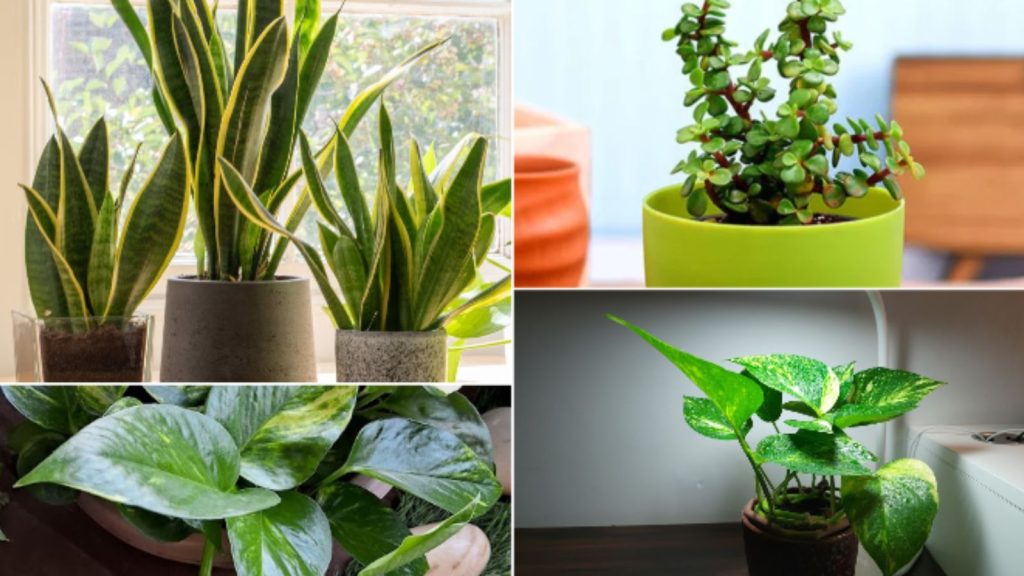

A well-kept indoor plant does more than just brighten up a corner. As per Vastu Shastra, the right plant placed in the right direction can improve energy flow, support mental peace, attract prosperity, and even strengthen family harmony. This is why indoor plants are no longer seen only as décor items but as living elements that influence the overall atmosphere of a home.

With more people spending long hours indoors, interest in vastu plants for home and indoor plants for positive energy has seen a sharp rise. Experts say plant choice, health, and placement matter just as much as aesthetics. A thriving plant supports positive vibrations, while neglected or wrongly placed plants can do the opposite.
This guide explains various indoor plants, their vastu benefits, and their correct placement inside the house to help you create a balanced and positive living space.
Why Indoor Plants Matter in Vastu
Vastu Shastra considers plants as natural sources of life energy. Healthy green plants symbolise growth, renewal, and stability. They help neutralise negative energy and enhance positivity when placed correctly.
According to vastu principles, indoor plants should always be well maintained. Dry, dying, or artificial plants are believed to block energy flow. Thorny plants, except a few specific cases, are usually discouraged indoors.
Plants placed in the correct direction can support specific aspects of life such as wealth, health, peace, and relationships.
Money Plant (Epipremnum aureum)
The money plant is one of the most popular indoor plants in Indian homes. It is strongly associated with wealth, growth, and financial stability.
Vastu benefits
The money plant is believed to attract prosperity and reduce financial stress. Its fast-growing nature symbolises continuous income and opportunities.
Correct placement
The best direction for a money plant is the southeast corner of the living room or office, which is ruled by the fire element and associated with wealth. It can also be placed in the north direction to support career growth. Avoid placing it in the northeast corner or near bathrooms.
Tulsi (Holy Basil)
Tulsi holds deep spiritual significance in Indian households. It is considered sacred and is known for both medicinal and energetic benefits.
Vastu benefits
Tulsi purifies the surrounding energy and creates a calm, peaceful atmosphere. It is linked to good health, spiritual growth, and protection from negativity.
Correct placement
Tulsi should ideally be placed in the north, east, or northeast direction. While it is traditionally kept outdoors, it can be grown indoors near a well-lit window. Avoid placing Tulsi in bedrooms or dark corners.
Snake Plant (Sansevieria)
The snake plant has gained popularity for its low maintenance and air-purifying qualities.
Vastu benefits
This plant is believed to absorb toxins and protect the home from negative energy. It symbolises resilience and steady growth.
Correct placement
The snake plant works well near the entrance, living room corners, or in the southeast direction. Some vastu experts suggest avoiding too many plants in bedrooms, but a single healthy snake plant can be placed near a window.
Lucky Bamboo
Lucky bamboo is often linked with good fortune and harmony, even though it is not a true bamboo plant.
Vastu benefits
Lucky bamboo attracts positive energy and supports peace, happiness, and prosperity. The number of stalks also carries symbolic meaning, such as three for happiness and five for health.
Correct placement
Place lucky bamboo in the east or southeast direction of the home. It should be kept in clean water or soil and away from clutter. Avoid placing it in bedrooms or bathrooms.
Peace Lily (Spathiphyllum)
Peace lily is known for its elegant white flowers and calming presence.
Vastu benefits
This plant promotes peace, emotional balance, and harmony. It is also an excellent air purifier, making it suitable for indoor spaces.
Correct placement
Peace lily can be placed in the living room or bedroom, preferably in the north or east direction. Ensure it receives indirect sunlight and proper care.
Areca Palm
Areca palm is widely used in homes and offices for its lush appearance and air-cleaning ability.
Vastu benefits
The areca palm is believed to remove negative energy and create a refreshing environment. It supports health and positivity.
Correct placement
Place the areca palm in the east or northeast corner of the living room or near large windows. Avoid placing it in cramped or poorly lit spaces.
Aloe Vera
Aloe vera is valued for its medicinal uses and energy-balancing properties.
Vastu benefits
Aloe vera is believed to absorb negative energy and promote healing. It also symbolises protection and well-being.
Correct placement
The best placement for aloe vera is in the east or north direction. It should receive adequate sunlight. Some vastu practitioners suggest avoiding aloe vera in bedrooms at night due to oxygen and carbon dioxide exchange.
Jade Plant (Crassula ovata)
The jade plant is often called the money magnet plant.
Vastu benefits
It symbolises growth, prosperity, and success. Many business owners keep it near entrances to attract financial stability.
Correct placement
Place the jade plant in the southeast direction of the living room or office. It can also be kept near the entrance, but not directly blocking the doorway.
Rubber Plant (Ficus elastica)
Rubber plants are known for their bold leaves and strong presence.
Vastu benefits
The rubber plant represents abundance, stability, and growth. It also improves indoor air quality.
Correct placement
The east or southeast direction is ideal. It should be placed where it has enough space to grow freely and receive indirect light.
Spider Plant
Spider plants are easy to grow and adapt well to indoor conditions.
Vastu benefits
They are associated with positive energy and purification. Spider plants help reduce stress and improve indoor air quality.
Correct placement
They are suitable for kitchens, living rooms, and balconies. Hanging spider plants in the east or north direction is considered beneficial.
Plants to Avoid Indoors as per Vastu
Not all plants are recommended for indoor placement.
Cactus and thorny plants are believed to create tension and should be avoided inside the house. Bonsai plants are sometimes discouraged as they symbolise restricted growth. Dry flowers and artificial plants should also be avoided as they block positive energy.
General Vastu Tips for Indoor Plant Placement
Indoor plants should always be healthy and green. Avoid overcrowding plants in one area. The north, northeast, and east directions are considered best for most plants. The southeast direction supports wealth-related plants like money plant and bamboo. The southwest direction should generally be avoided for indoor plants as it may disturb stability.
Keep plants away from cluttered areas and ensure proper sunlight and ventilation. A clean and organised space enhances the positive impact of plants.
Indoor Plants and Modern Homes
Modern vastu experts believe that intention and care matter as much as direction. A well-loved plant placed thoughtfully can uplift the energy of any home. Combining vastu principles with practical living conditions helps create a balanced and realistic approach to indoor greenery.
As urban homes become more compact, choosing the right plant and placement can make a noticeable difference in mood, air quality, and overall comfort.
Frequently Asked Questions (FAQs)
Frequently Asked Questions
Which indoor plant is best for positive energy at home?
Money plant, peace lily, snake plant, Tulsi, and lucky bamboo are considered among the best indoor plants for positive energy when placed correctly as per Vastu.
Where should indoor plants be placed as per Vastu?
As per Vastu Shastra, the north, northeast, and east directions are ideal for most indoor plants. The southeast direction is suitable for plants linked to wealth and prosperity.
Can indoor plants be kept in the bedroom?
Yes, indoor plants can be kept in the bedroom in limited numbers. Plants like peace lily or snake plant may be placed near windows. Avoid overcrowding the bedroom with plants.
Which plants should be avoided indoors as per Vastu?
Cactus, thorny plants, dry or dying plants, bonsai plants, and artificial flowers are generally avoided indoors as they are believed to disturb positive energy.
Is it good to keep a money plant in the bedroom?
According to Vastu principles, money plants are best placed in the living room or workspace. Keeping them in the bedroom is usually not recommended.
Which indoor plant is best for positive energy at home?
Money plant, peace lily, snake plant, and Tulsi are considered among the best indoor plants for positive energy when placed correctly.
Where should indoor plants be placed as per vastu?
The north, northeast, and east directions are ideal for most indoor plants. The southeast direction is good for plants linked to wealth and prosperity.
Can indoor plants be kept in the bedroom?
Yes, but in limited numbers. Plants like peace lily or snake plant can be kept near windows. Avoid overcrowding the bedroom with plants.
Which plants should be avoided indoors as per vastu?
Cactus, thorny plants, dry plants, and artificial flowers should be avoided indoors as they are believed to attract negative energy.
Is it okay to keep money plant in the bedroom?
It is better to place the money plant in the living room or workspace. Keeping it in the bedroom is generally not recommended as per vastu.
For such insights, visit our Home and Décor category.