The 2026 Indian Monsoon: A Comprehensive Guide to Preparedness, Health, and Safety

The calendar flips to June, and for the 1.4 billion people living in the Indian subcontinent, one question dominates the collective consciousness: Is the monsoon here yet? The Southwest Monsoon is more than just a weather event; it is the nation’s financial lifeline, a cultural muse, and a yearly test of infrastructure and resilience. The India Meteorological Department (IMD) has forecasted that the 2026 Southwest Monsoon is likely to be “below normal” (92% of the Long Period Average), largely due to developing El Niño conditions.

While this might suggest less rain, it paradoxically signals danger. Climate experts warn that a delayed or weak monsoon often results in intense heat spikes in June, followed by erratic, heavy downpours that overwhelm drainage systems. As the clouds gather over Kerala (expected around May 26) and march towards Mumbai (June 5-6) and Delhi (June 30), preparation must move beyond simply buying an umbrella. This guide provides a deep dive into monsoon readiness, covering structural waterproofing, preventative healthcare, vehicle safety, travel intelligence, and pet care for the unique challenges of 2026.
Part 1: Structural Integrity – Waterproofing and Pest Control
The typical advice to “check for leakages” is often too vague. In the Indian context, where buildings range from luxury high-rises to aging independent homes, “preparing the house” requires a scientific approach to materials and budgeting.
The 2026 Waterproofing Blueprint
Do not wait for the first “pre-monsoon shower” to reveal a damp patch on your bedroom ceiling. According to construction experts, the cost of repair during the rains is significantly higher because most waterproofing chemicals require a dry surface to bond. Based on 2026 market rates, here is how to prioritize:
- The Terrace (Priority 1): If your home is over 10 years old, basic acrylic chemical coatings (₹25–₹60 per sq ft) may no longer suffice. For homes in high-rainfall states like Kerala or Maharashtra, experts recommend APP Membrane (Torch-On) systems costing ₹80–₹160 per sq ft. These heat-welded sheets offer a 8–10 year lifespan and bridge cracks effectively.
- The Bathroom (Priority 2): 70% of household seepage originates at the floor-wall joint. Before the monsoon, inspect the grouting. A simple reapplication of polymer-modified slurry (₹40–₹90 per sq ft) on the sunken slab can prevent the dreaded “dripping from the floor above” scenario.
- External Walls: Look beyond the paint. Use elastomeric or hydrophobic coatings (₹35–₹140 per sq ft) that repel water rather than absorbing it. This is crucial for preventing the damp, black patches that invite fungal growth.
Fighting the “Monsoon Fungus”
High humidity (often exceeding 85% during July-August) creates a breeding ground for mold and fungus. Beyond cleaning, consider the desiccant strategy. Stock up on silica gel packets or calcium chloride containers for wardrobes. Data shows that items stored in plastic vacuum-sealed bags are 90% less likely to develop mildew than those in cardboard boxes, which actually absorb ambient moisture.
Part 2: Health and Immunity – Beyond the Common Cold
While the existing articles mention coughs and colds, the 2026 health narrative is more complex. Doctors are currently observing an “unusual summer spike” in respiratory infections, which is expected to merge with the monsoon surge.
Adult Vaccination: The Missing Link
In India, immunization programs focus heavily on children, leaving adults vulnerable. Infectious disease specialists are now urging high-risk groups (seniors, diabetics, and those with lung conditions) to get the Pneumococcal vaccine (PCV20) before the rains hit.
- Why now? The pneumococcal vaccine can reduce severe pneumonia by 50-65%.
- The Risk: With a delayed monsoon, the humidity will trap pollutants and allergens closer to the ground, creating a “toxic smog” before the rain washes it away. This leads to a surge in bacterial respiratory infections requiring hospitalization.
Rethinking “Ginger Tea” with Science
The craving for “pakoras and chai” is not just emotional; it is biological. High humidity depletes the body of electrolytes and lowers metabolism. However, public health experts warn against excessive oily street food during this time due to the risk of Leptospirosis.
- The Puddle Danger: ICMR flags leptospirosis as a leading monsoon risk, particularly in Kerala and the Konkan belt. The bacteria enter through open wounds or mucous membranes when walking through flooded streets. If you wade through water, wash your feet with an antiseptic immediately.
- Digestive Fire: Keep natural digestive aids like ginger and warm water handy, but also stock Oral Rehydration Solution (ORS). It is the most effective weapon against dehydration caused by sudden temperature shifts.
Part 3: Automotive Care – Navigating Waterlogged Arteries
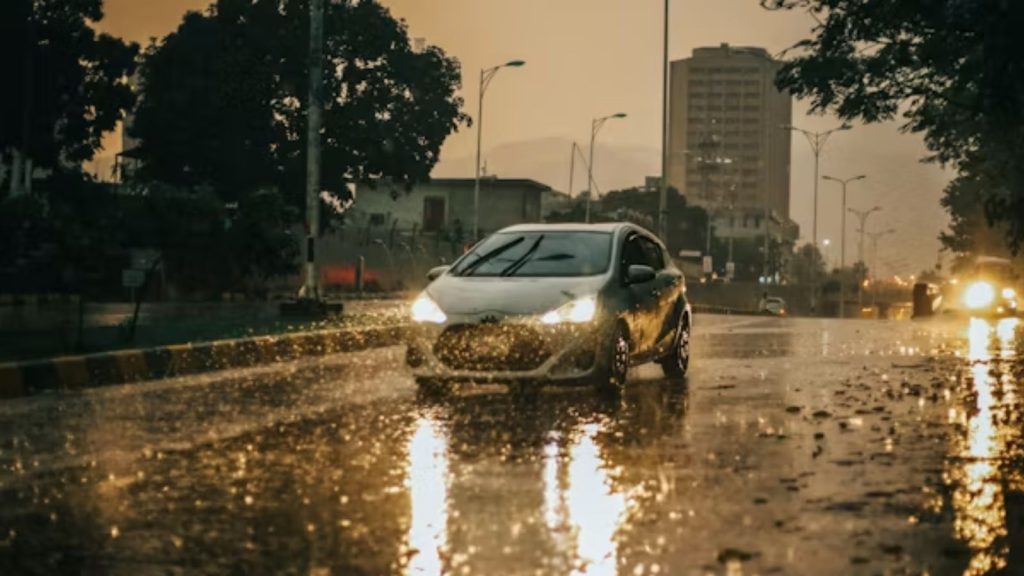
Indian roads transform into obstacle courses during the monsoon. A 2026 car care guide emphasizes that routine checks are insufficient; drivers need a “water survival” mindset.
The “Aquaplaning” Prevention Kit
Your car’s grip on the road drops by nearly 50% once the tarmac gets wet.
- Tyre Tread Depth: Do not look at the tyre; look at the Tread Wear Indicator (TWI). If the tread is flush with the indicator, you risk aquaplaning (losing control on water). The recommended depth for Indian monsoons is a minimum of 2-3mm.
- The Brake Fluid Test: Brake fluid is hygroscopic (it absorbs water). In high humidity, moisture in the fluid lowers its boiling point, causing brake failure during repeated use. Get a professional to check the moisture content of your brake fluid.
- Underbody Anti-Rust: With waterlogging common in cities like Mumbai, Chennai, and Bengaluru, the car’s underbody is constantly bathed in a cocktail of water, mud, and sewage. A ₹2,000–₹5,000 anti-rust coating can prevent premature exhaust system failure and chassis corrosion.
Essential Electronics Check
Modern cars are computers on wheels. Before the rains:
- Test the Traction Control: If you drive a car with Electronic Stability Control (ESC), ensure it is turned on. It is specifically designed to prevent skidding on wet corners.
- Hydrophobic Glass Coating: A relatively new trend in India, applying a rain-repellent coating to the windscreen and side mirrors causes water to bead up and roll off at speeds above 50 km/h, drastically improving visibility without relying solely on wipers.
Part 4: Travel Intelligence – Risk vs. Romance
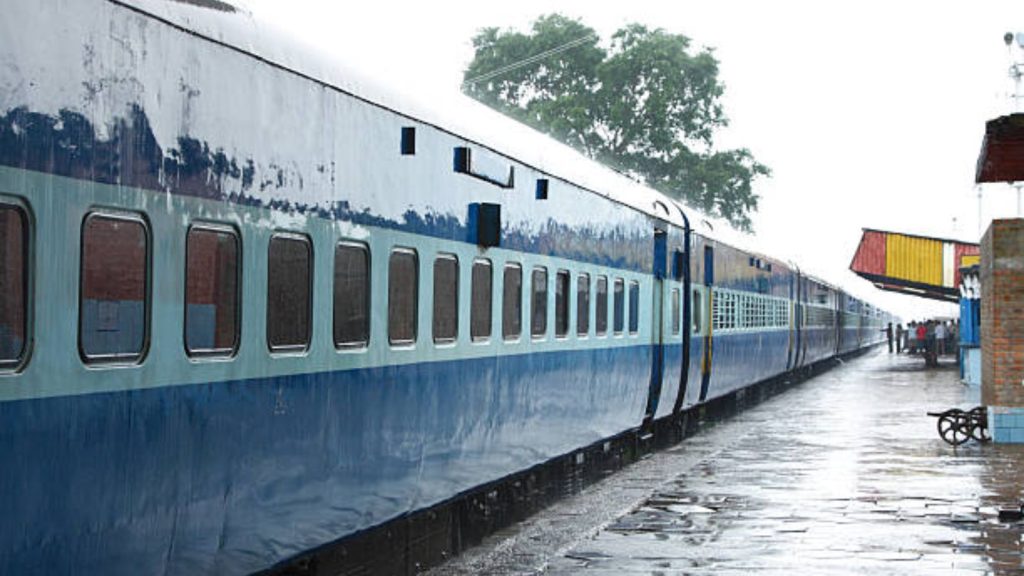
The romanticism of a hill station in the rain often clashes with the grim reality of landslides. The Times of India has flagged specific “danger zones” for 2026, destinations that become logistical nightmares during heavy rain.
High-Risk Destinations to Reconsider (June-August)
- Himalayan Hotspots: Manali, Shimla, and Mussoorie are seeing increased landslide activity due to excessive hillside construction. The Mussoorie-Dehradun route is notorious for collapsing roads.
- Western Ghats Vulnerabilities: Munnar and Wayanad, while beautiful, have fragile tea-estate slopes. Deep valleys in these regions have a history of washouts during red-alert day.
Safer Monsoon Alternatives
If you must travel, choose destinations with safer topography and better infrastructure:
- Maharashtra (Lonavala/Khandala): The Western Ghats here receive heavy rain, but the access routes from Mumbai and Pune are shorter, have better highway infrastructure, and offer quicker evacuation if needed.
- Rajasthan (Mount Abu): As a plateau rather than a peak, Mount Abu offers misty weather and greenery without the risk of massive landslides that plague the Himalayas.
- Goa/Kochi: For those who want the rain without the hills, coastal cities or backwaters (Alappuzha) offer stunning monsoon views with stronger infrastructure and access to medical facilities.
Tech-Savvy Packing
The “Monsoon Emergency Bag” has evolved. Beyond a raincoat and gumboots, carry a portable Wi-Fi dongle or power bank with a built-in router. Landslides often snap fiber-optic cables, leaving mobile networks congested or dead. Having a backup data source is crucial for accessing IMD Nowcast warnings (which predict severe weather 3-6 hours in advance).
Part 5: Psychological and Pet Care

Managing Storm Anxiety
Thunderstorms associated with the monsoon cause significant anxiety in pets, particularly dogs. While hugging them helps, animal behaviorists suggest environmental masking. Create a “den” (a dark, interior room with no windows) and play brown noise or heavy metal music (which masks the low-frequency rumble of thunder better than classical music) to calm them.
The Seasonal Affective Disorder (SAD) Factor
In India, the “Gloom Season” is rarely discussed. The lack of sunlight during continuous overcast days can drop serotonin levels. Combat this by investing in full-spectrum light bulbs for your workspace and maintaining a strict Vitamin D supplement regimen (consult your doctor), as the body cannot synthesize it from the sun during heavy overcast periods.
Conclusion: Preparedness over Panic
The 2026 monsoon presents a paradox: a “below normal” rainfall season that carries an above-normal risk of extreme weather events. The key takeaway is the shift from reactive to proactive management. Do not wait for the first leak or the first sneeze.
- This weekend: Check the car’s tread depth.
- Next week: Schedule the pneumococcal vaccine for seniors and buy the silica gel packets for the closets.
- End of May: Pack the emergency car kit with ORS, a power bank, and a printed list of emergency numbers (as mobile screens are hard to use with wet fingers).
By blending traditional wisdom (herbal teas, mopping floors with disinfectant) with modern climate science (vaccinations, building codes, and IMD apps), you can ensure that this Rains season brings joy, not just repairs. Remember, the best time to repair the roof is not when the sun is shining, it is before the clouds roll in.
Disclaimer: This article is for general informational and educational purposes only. While PuneNow and its authors strive for accuracy, monsoon conditions, health risks, and vehicle performance vary significantly based on location, individual health, and local infrastructure. The suggestions provided do not constitute professional medical, automotive, or structural engineering advice. Readers should consult qualified professionals before making health, travel, or home repair decisions. PuneNow and its authors assume no responsibility or liability for any loss, injury, or damage arising directly or indirectly from the use of, or reliance upon, any information in this guide. Reliance on any information herein is solely at your own risk.