Pune Traffic Committee Plans Higher Traffic Speeds, More Buses and 30 New Flyovers
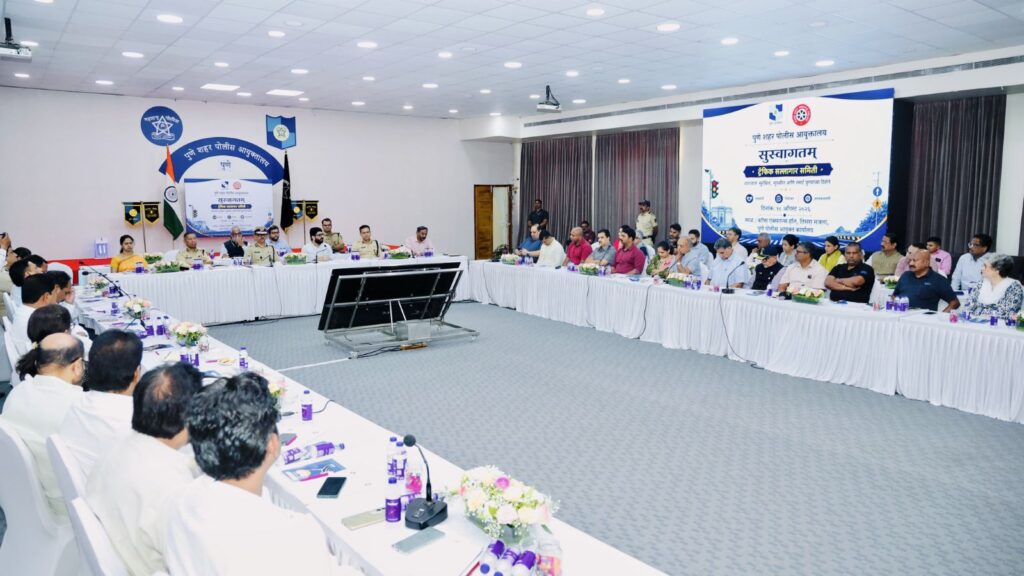

The Pune City Police Administration has outlined a comprehensive master plan to overhaul the city’s transport network, prioritising a massive fleet expansion for PMPML, 30 proposed flyovers at major bottlenecks, and an artificial intelligence-driven traffic management system. The strategy was presented during the Pune City Traffic Advisory Committee meeting organised by the Pune City Police Commissionerate, where senior administrators, public representatives, and transport officials gathered to address the city’s worsening congestion.

Union Minister of State and Pune MP Murlidhar Mohol emphasised during the meeting that temporary fixes are no longer viable for a rapidly expanding city. Pointing out the growing pressure on existing roads due to population inflow and lagging public transit capacity, Mohol stated that infrastructure decisions taken today must account for Pune’s needs over the next five decades, integrating metro routes, bus corridors, ring roads, missing links, and bridges into a single network.
Data shared by the traffic police reveals that Pune’s vehicle population surged from 52 lakh in 2018 to 81 lakh in 2026, with nearly 1,300 new vehicles registered daily. Roads currently cover just 8 per cent of the city’s geographical area against an ideal 15 per cent benchmark, while public transport accounts for only 11 per cent of total daily trips, far below the target of 50 per cent.
To address the severe public transit deficit, the administration plans to add 3,000 to 4,000 new buses, including a strong proportion of electric buses, to the Pune Mahanagar Parivahan Mahamandal Limited (PMPML) fleet. Officials noted that improving fleet size must be paired with dedicated transit corridors and last-mile connectivity to encourage commuters to shift away from private two-wheelers and cars.
As a short-term target, the traffic police aim to increase the city’s average travel speed from 22.5 kmph to between 26 and 30 kmph through low-cost road interventions. The department has identified 33 primary arterial roads covering 265 km that account for nearly 80 per cent of total traffic volume, where surface repairs, bottleneck removals, signal synchronisation, and footpath upgrades will be carried out on priority.
The traffic branch has also identified and ranked 30 critical junctions requiring long-term grade separation through flyovers or underpasses. The RTO–Shahir Amar Shaikh Chowk–Maldhakka junction was ranked as the top priority, followed by congested intersections in Wagholi, Mundhwa, Golibar Maidan, and Tadigutta, providing the Pune Municipal Corporation (PMC) with a roadmap for upcoming civil works.
Police Commissioner Amitesh Kumar announced the formation of decentralised, post-level traffic committees starting next week to resolve immediate ground-level disruptions. These local bodies, comprising traffic personnel, civic officials, ward representatives, and 40 to 50 local residents, will focus on clearing sidewalk encroachments, regulating hawkers, managing parking, and tackling double parking in their respective areas.
To support enforcement, the police administration is finalizing the Detailed Project Report for an AI-based Intelligent Traffic Management System across 196 key junctions. Furthermore, traffic personnel have been directed to temporarily suspend punitive e-challans until August 31 to focus exclusively on identifying road defects, potholes, and bottleneck design flaws, which will be forwarded to PMC ward offices for immediate repair.
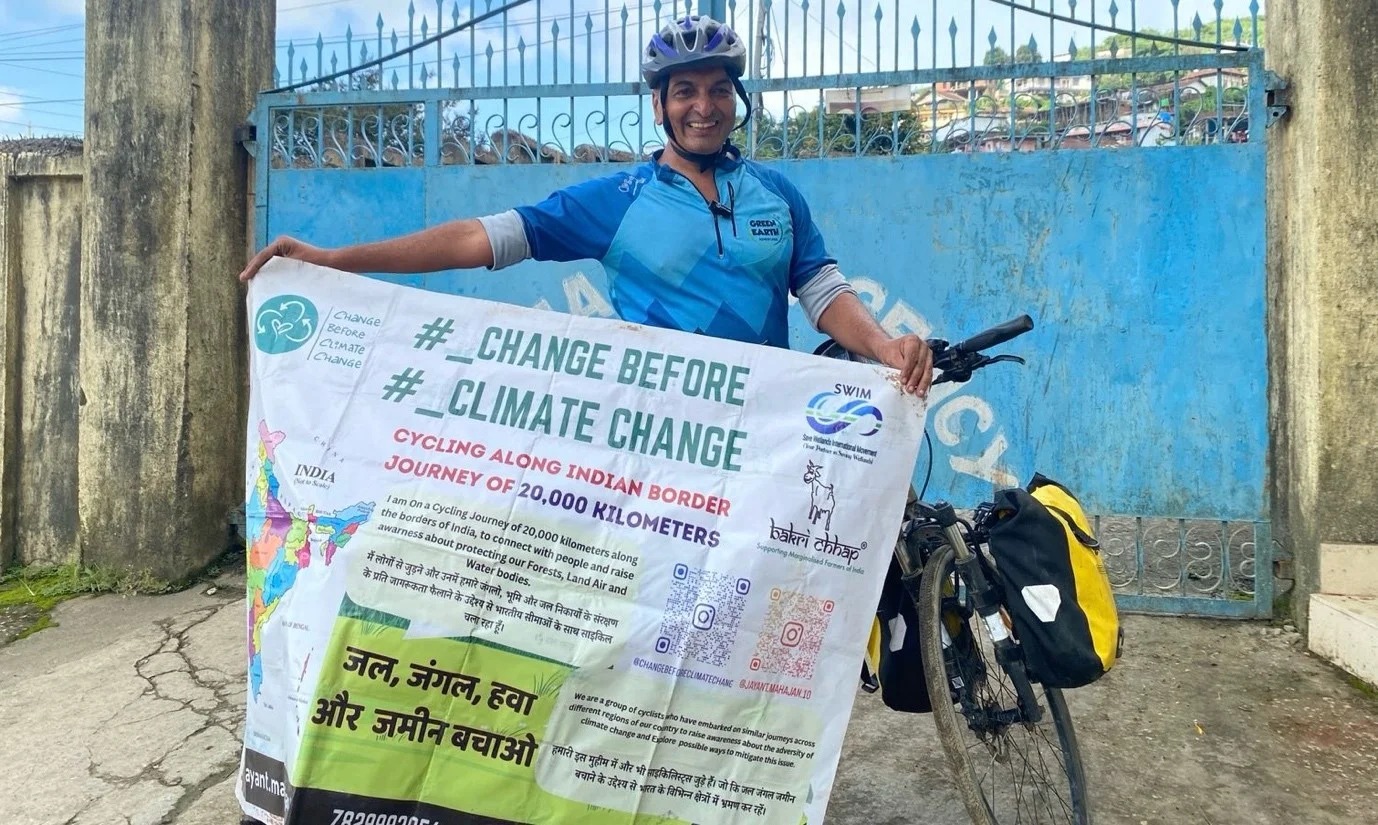
Jayant Mahajan is a writer and contributor at PuneNow, covering the intersection of technology, climate action, and urban governance across Pune. With an extensive background in business management, digital transformation, and academia, Jayant brings real-world insight to local sustainability issues, from civic infrastructure to smart city data ethics. As an educator and founder of the Change Before Climate Change mission, he focuses on how Pune’s institutions and businesses can build future-ready, sustainable systems. Through his columns, Jayant bridges policy, technology, and practical action to help Punekars navigate a rapidly changing urban climate.