A Precious Touch of Nature: Visually Impaired Students Redefine Photography Through ‘Sparsh Shakti’
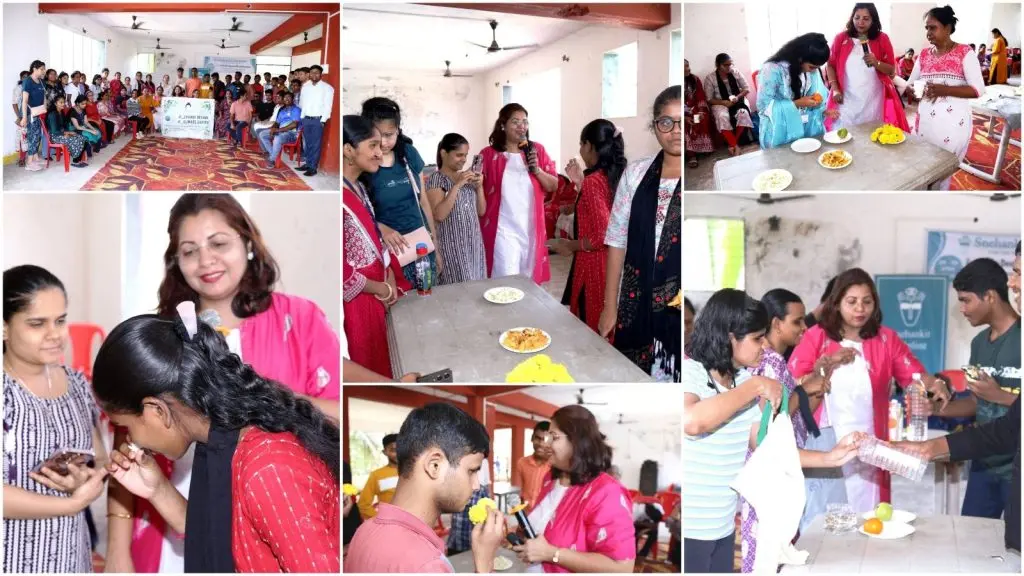

Mumbai/Virar, April 25, 2026: In a remarkable blend of innovation, inclusion, and environmental awareness, 41 visually impaired students demonstrated that true perception goes far beyond sight at the unique ‘Sparsh Shakti’ (Power of Touch) workshop held at Kalwa Resort, Virar.

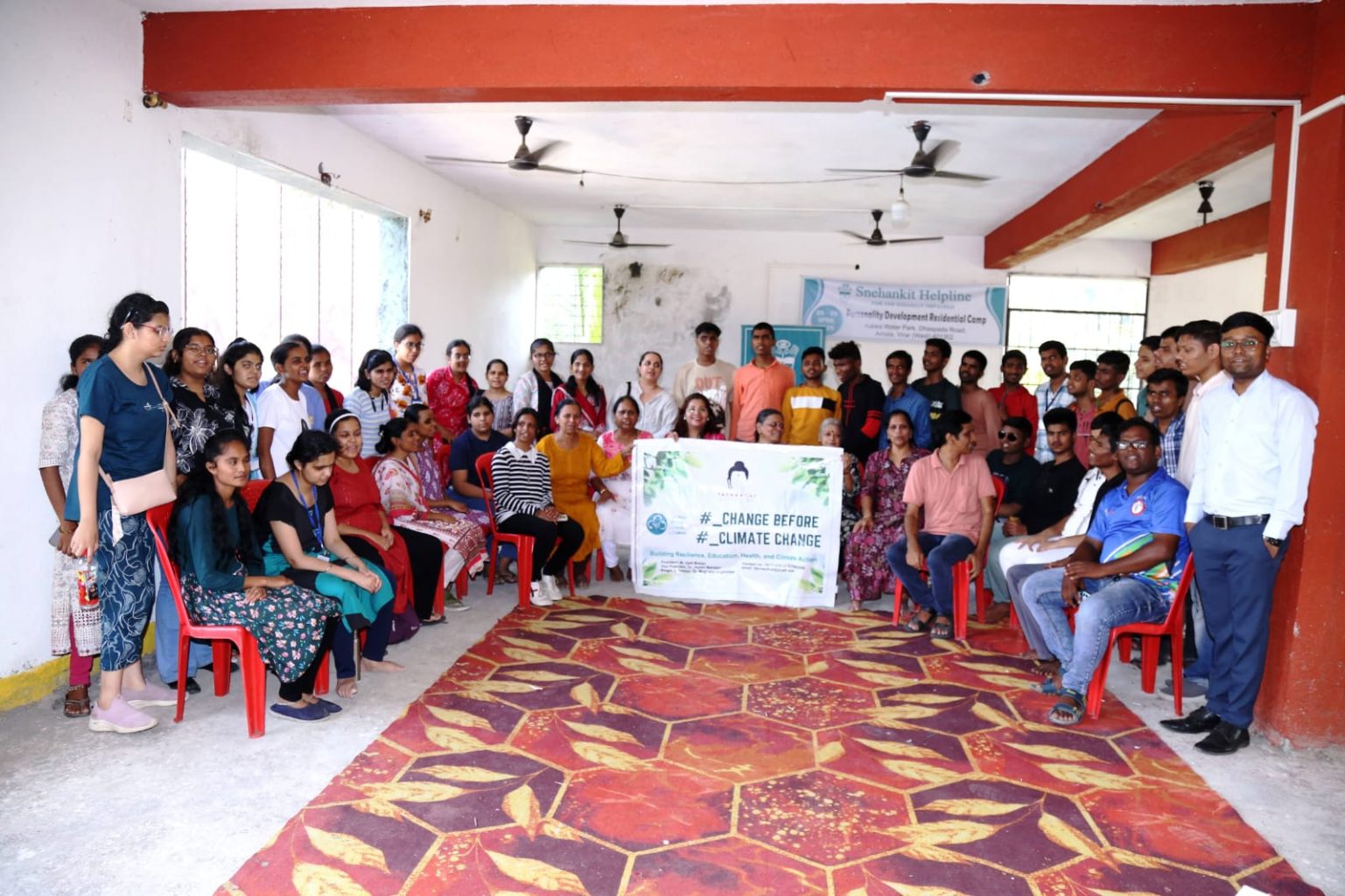
Organised by the Tathaagat Foundation in collaboration with Snehankit Helpline, the workshop was part of a six-day residential camp conducted from April 20 to April 25. The initiative brought together 23 girls and 18 boys, all of whom participated with enthusiasm and curiosity.
The session was led by Dr. Meghana Jalgaonkar, who introduced the concept of ‘Blind Photography’ a transformative approach where students captured photographs using their senses of touch, smell, hearing, and taste instead of sight.
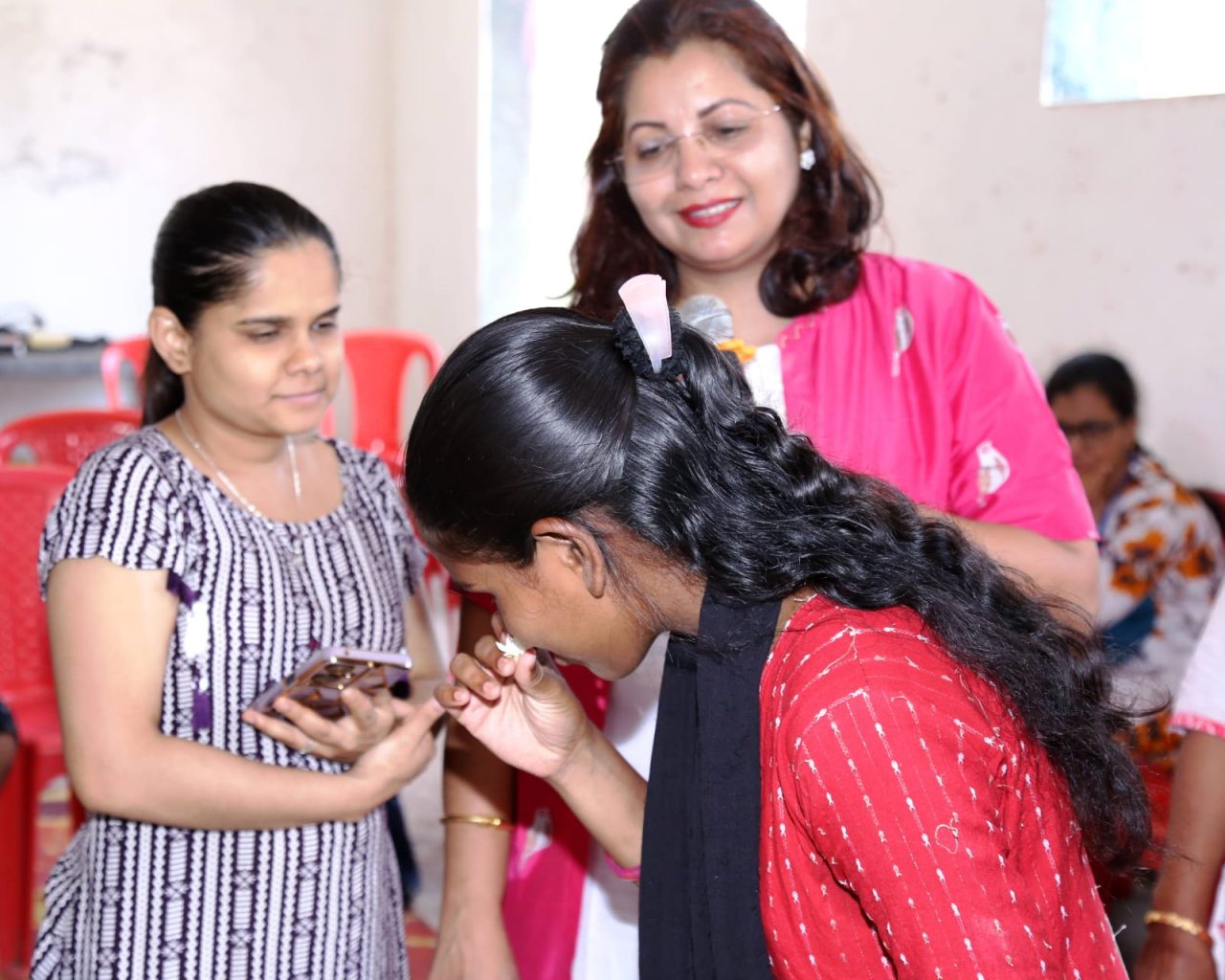
To make photography accessible and meaningful, Meghana introduced four innovative techniques tailored for visually impaired learners, each thoughtfully aligned with a core human sense:
- Light Sensing (Touch) : Understanding brightness and direction of light through warmth and tactile perception
- Motion Capture (Hearing) : Identifying movement through sound patterns such as ghungroos
- Sense of Distance (Smell) : Estimating proximity using fragrance and spatial awareness
- Capturing Emotions (Taste) : Expressing moments through sensory experiences like taste and interaction
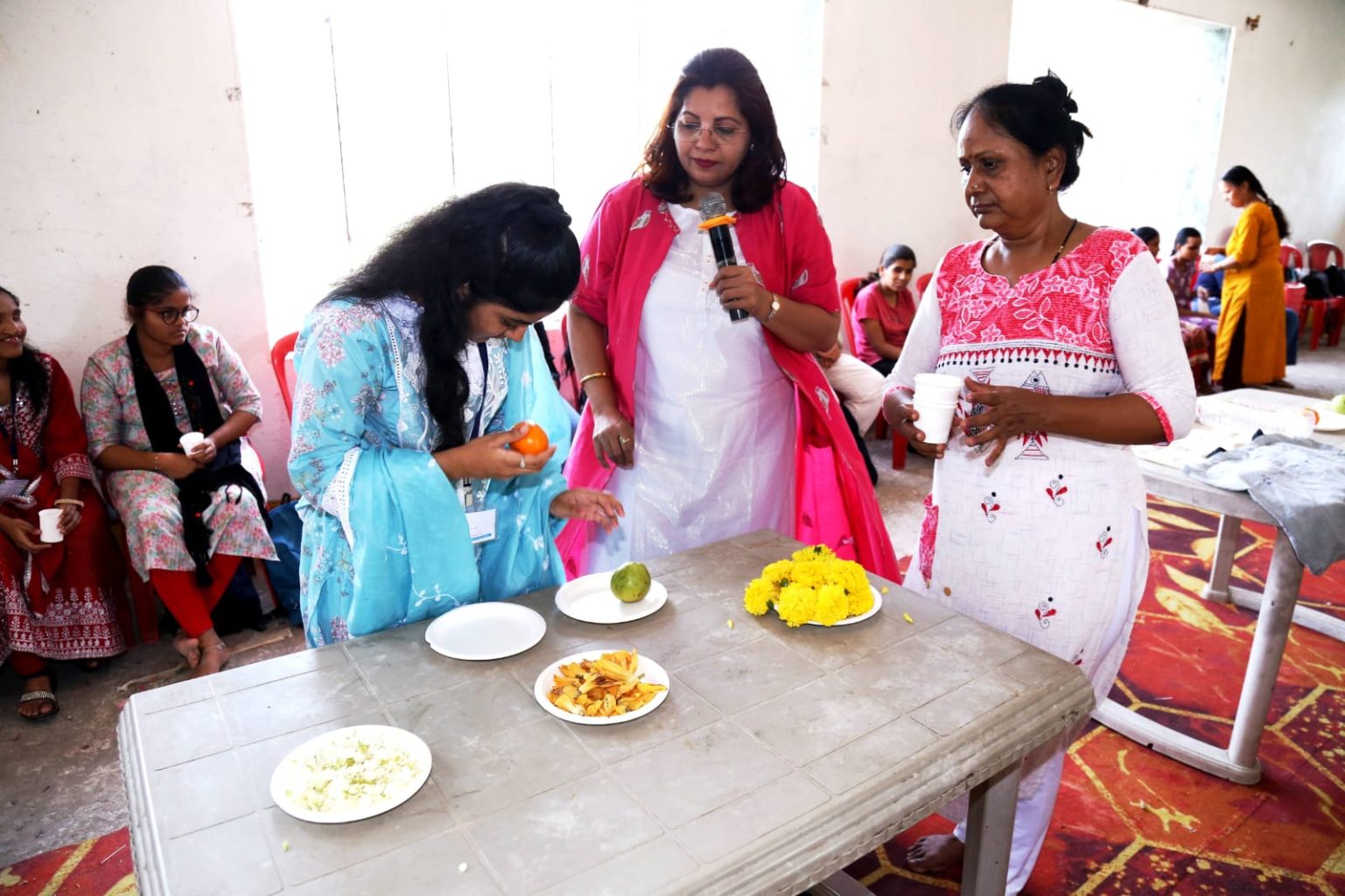
This unique sensory framework transformed photography into a deeply immersive experience, enabling students to create powerful visual narratives and proving that photography is truly about perception, not just vision.
The workshop also carried a strong environmental message under the mission ‘Change Before Climate Change’. Emphasizing that meaningful climate action begins with individual responsibility, Dr. Meghana introduced the “5 R’s” of sustainability -Refuse, Repurpose, Reduce, Recycle and Reuse, urging students to change climate-unfriendly habits before environmental damage becomes irreversible.
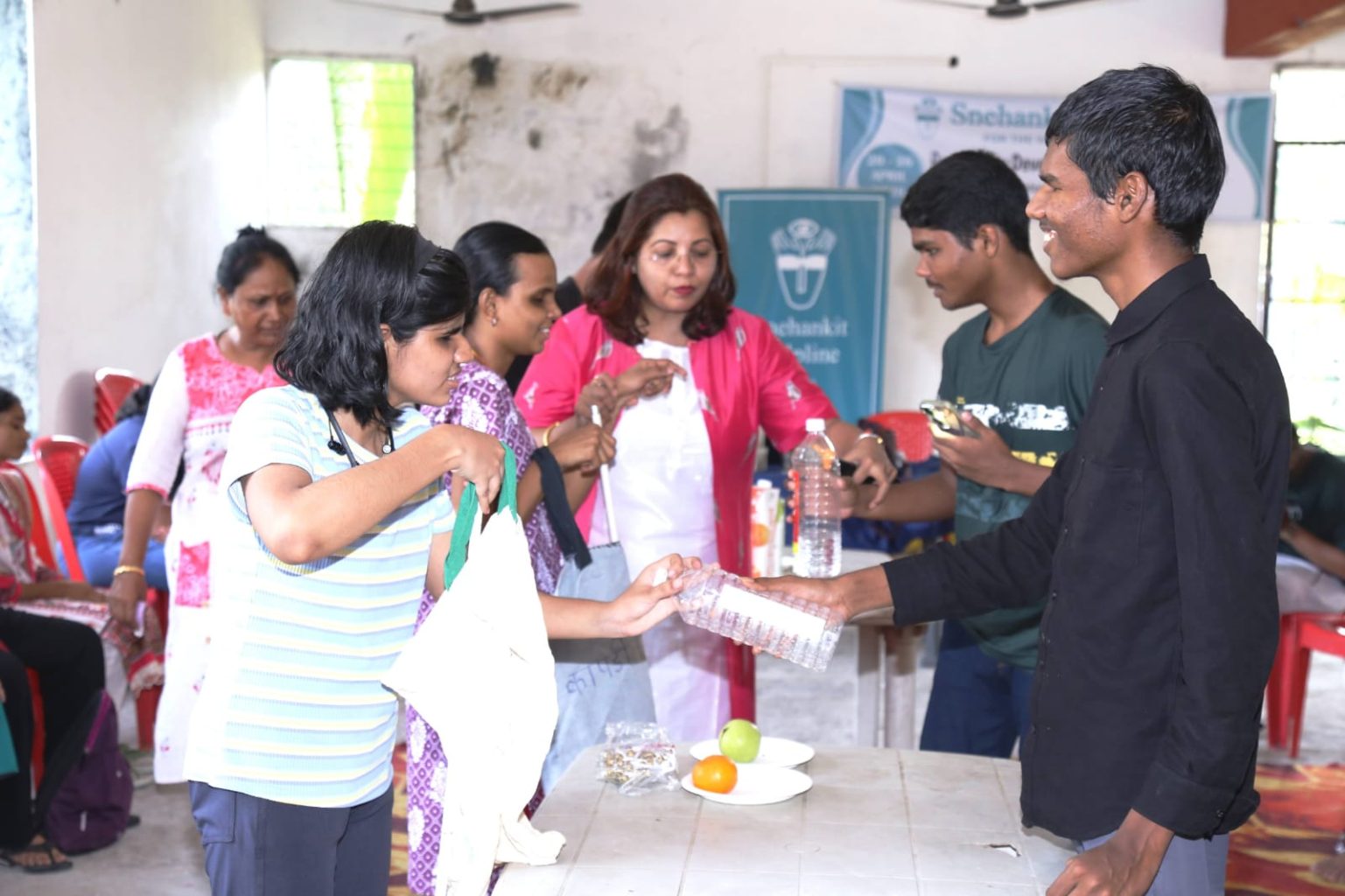
Through tactile learning activities, students identified eco-friendly materials such as cloth bags as “friends” and harmful plastics as “foes,” reinforcing their role as responsible citizens and future environmental stewards.
The success of the initiative was strengthened by the guidance of Parimala Bhat, while Camp Coordinator Pallavi Shankar ensured the seamless execution of the six-day program.
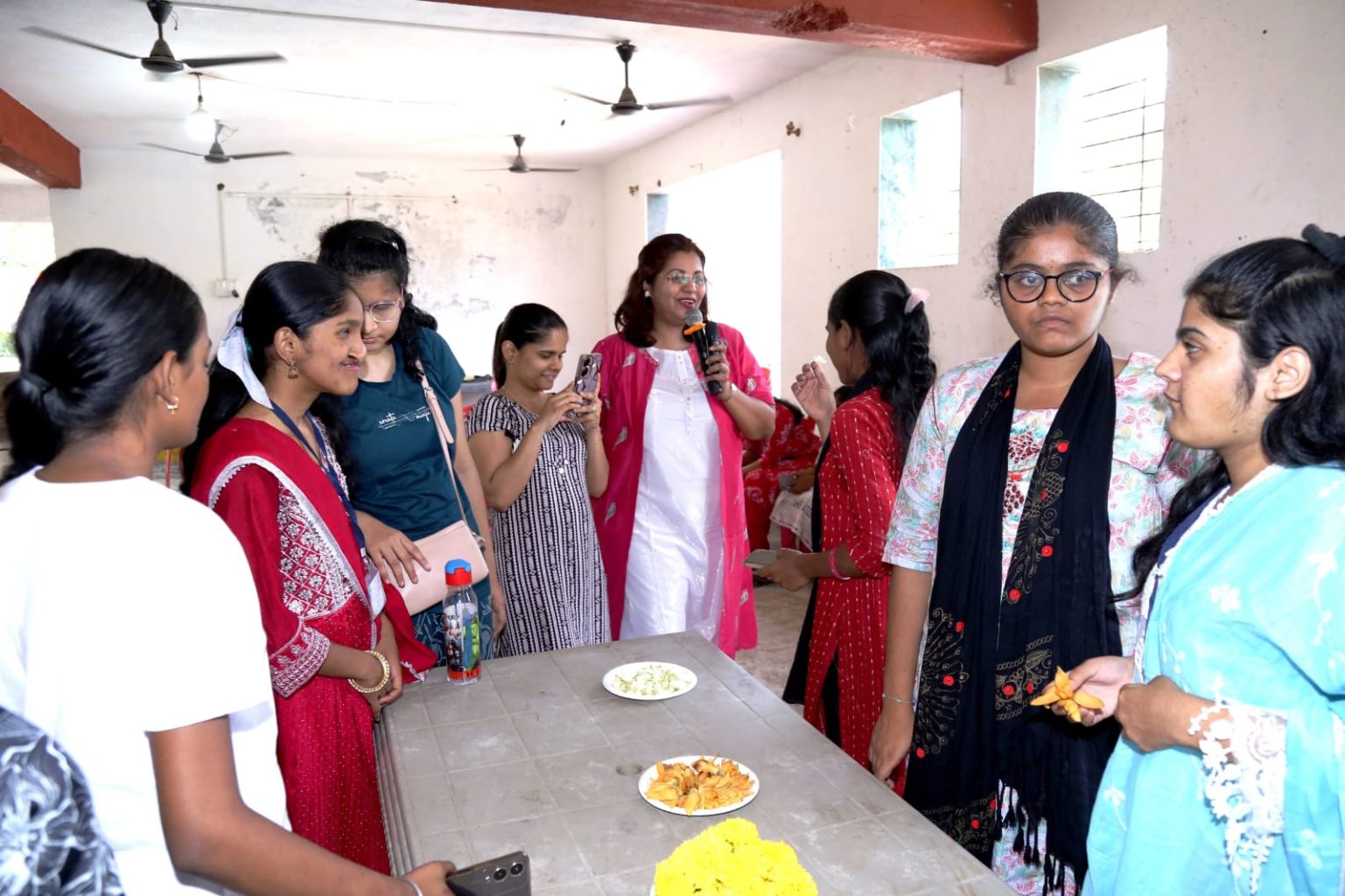
Reflecting on the experience, Meghana said, “Even without sight, these children possess an extraordinary power of perception. Through ‘Sparsh Shakti,’ we are nurturing not only creativity but also the future guardians of our environment.”
The workshop stands as an inspiring example of how innovation and empathy can come together to create meaningful change. It sends a powerful message to society – that when we transform our habits and expand our understanding, we not only protect the planet but also unlock the limitless potential within every individual.
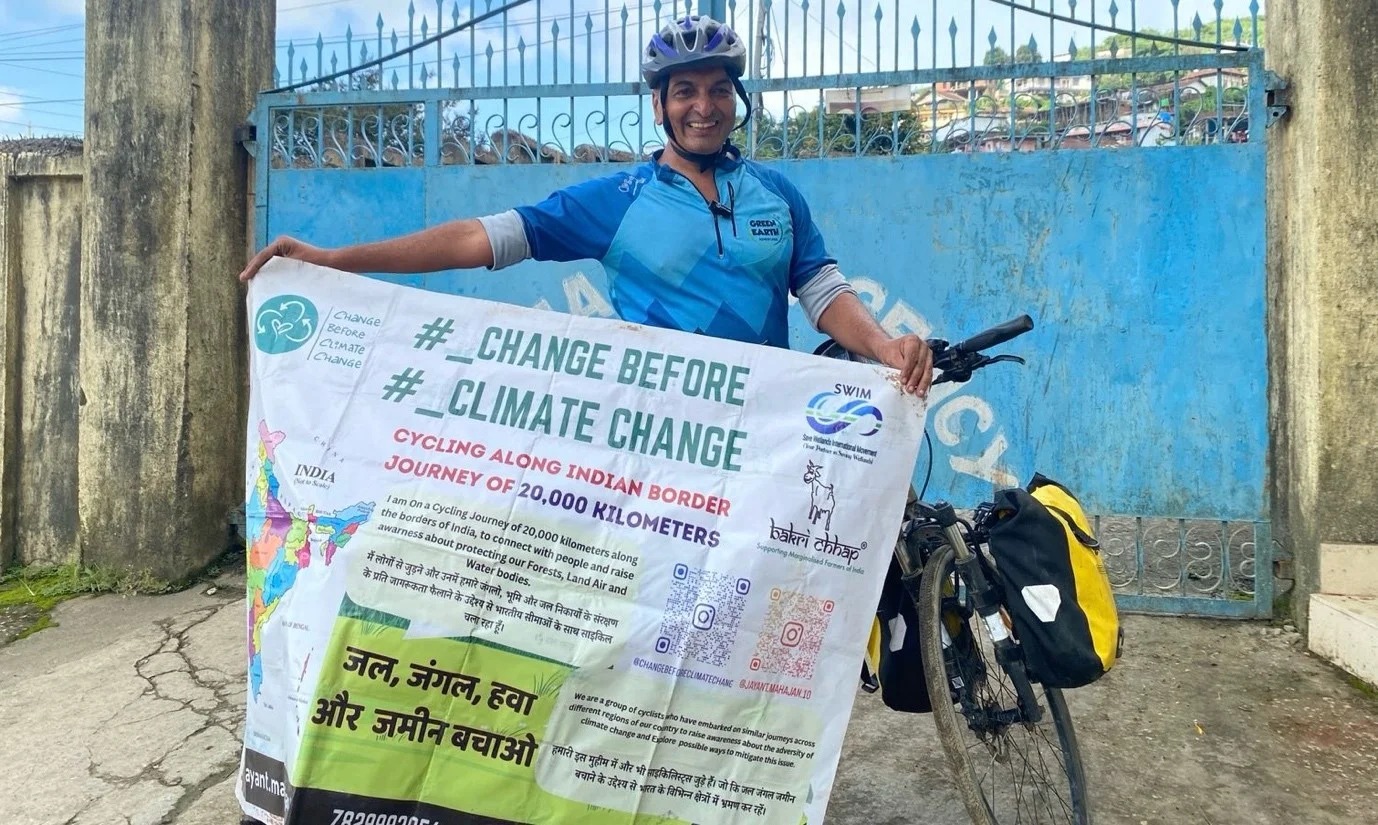
Jayant Mahajan is a writer and contributor at PuneNow, covering the intersection of technology, climate action, and urban governance across Pune. With an extensive background in business management, digital transformation, and academia, Jayant brings real-world insight to local sustainability issues, from civic infrastructure to smart city data ethics. As an educator and founder of the Change Before Climate Change mission, he focuses on how Pune’s institutions and businesses can build future-ready, sustainable systems. Through his columns, Jayant bridges policy, technology, and practical action to help Punekars navigate a rapidly changing urban climate.