
You Could Be Unknowingly Helping Spammers; Viral Post Suggests 8-Point Guide (Incl. What Not To Do) To Silence Spam Calls Forever
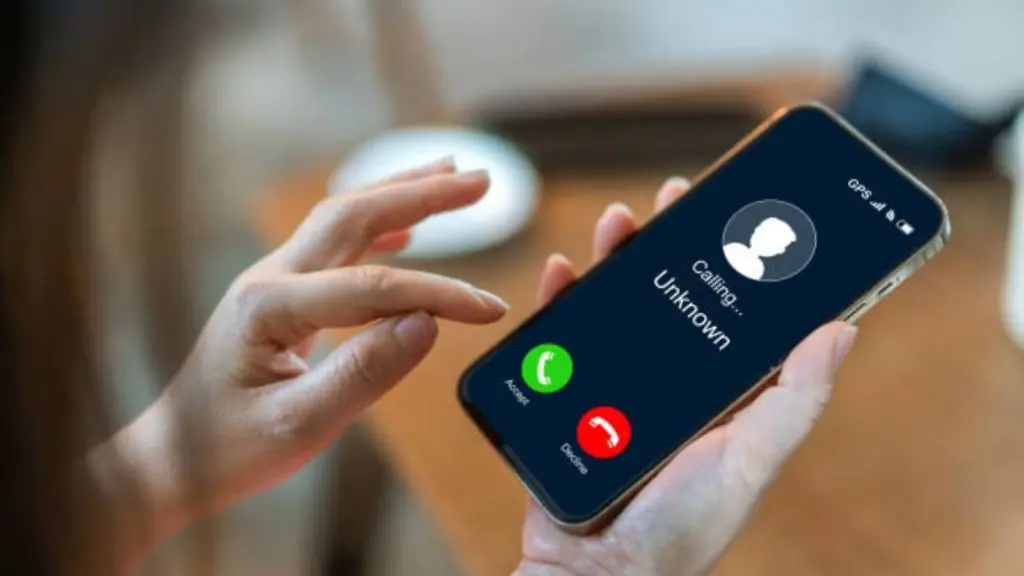

Every time your phone buzzes with an unknown number, your first instinct is likely to hit the red “decline” button. However, according to a viral guide by tech expert Chidanand Tripathi, that single tap might be making your spam problem significantly worse.

In a detailed post on X (formerly Twitter) that has captured the attention of millions of frustrated mobile users, Tripathi explains that the ecosystem of “data brokers” thrives on your engagement. By declining a call, you aren’t ending the harassment; you are inadvertently confirming that your number is active and monitored, causing your data to be sold to even more aggressive call centers.
The “Decline” Trap: Why Silence is Golden
Tripathi’s viral thread highlights a fundamental flaw in how most people handle pesky calls. “You’ve been blocking spam calls wrong this entire time,” he writes. “Every time you decline, you confirm your number is active. The calls multiply.”
When a user declines a call, the telemarketer’s automated system logs a “user-initiated hang-up.” This “live” status makes the phone number a premium commodity for data brokers, who then bundle these “verified active” numbers and sell them to hundreds of other telemarketing agencies. The solution? Let it ring out or use native “silence” features that don’t send an immediate signal back to the dialer.
The 8-Point Guide to Silencing Spam Calls in 2026
To help users reclaim their privacy, the viral post and recent telecom updates suggest a comprehensive defense strategy:
- Stop Declining Calls: Let the phone ring or use the “Silence” button (volume down) so the system registers a “no answer” rather than an “active rejection.”
- Enable ‘Silence Unknown Callers’ (iOS): iPhone users should go to Settings > Phone and toggle this on to send unknown numbers directly to voicemail.
- Activate Google Call Screening (Android): Use the native “Filter Spam Calls” in the Phone app settings to let AI vet the caller before your phone even rings.
- Register for DND 3.0: Send an SMS “START 0” to 1909 to register for the full “Do Not Disturb” category with the National Do Not Call (NDNC) registry.
- Utilize CNAP (New for 2026): Take advantage of the Calling Name Presentation (CNAP) service now mandated by TRAI. This shows the KYC-verified name of the caller.
- Report to TRAI via DND App: Use the official TRAI DND 3.0 app to report numbers within 7 days. Under new 2026 rules, a sender can be blacklisted after just 5 complaints.
- Carrier-Level Blocking: Use the specific DND management tools provided in the MyJio, Airtel Thanks, or Vi apps to block telemarketing headers.
- The ‘Star’ Codes: For persistent harassment, use network-specific codes like *77 to block anonymous or private numbers at the network level.
TRAI’s 2026 Crackdown: ₹150 Crore in Fines
The viral guide comes at a time when the Telecom Regulatory Authority of India (TRAI) has declared war on unregistered telemarketers (UTMs). As of early 2026, the government has already disconnected over 21 lakh fraudulent connections.
The most significant change for Indian users this year is the nationwide rollout of CNAP. Unlike third-party apps that rely on crowdsourced data, CNAP pulls the caller’s name directly from the telecom operator’s KYC database. This makes it nearly impossible for scammers to hide behind generic names or “Police” labels.
How to Protect Your Data from Brokers
The root of the problem lies in how your data is leaked. Tripathi warns that many “free” apps act as front-ends for data harvesters. To minimize your footprint:
- Avoid entering your primary mobile number on public retail forms.
- Check app permissions to ensure third-party tools aren’t reading your contact list.
- Use the “Report Spam” feature on WhatsApp and Telegram to bypass traditional SIM filters.
ALSO READ | Keep Lizards, Cockroaches and Pests Away by Adding Natural Ingredients to Mop Water