Union Government Cuts Excise Duty on Petrol and Diesel by ₹10 Amid Global Unrest: Will Fuel Prices Drop?
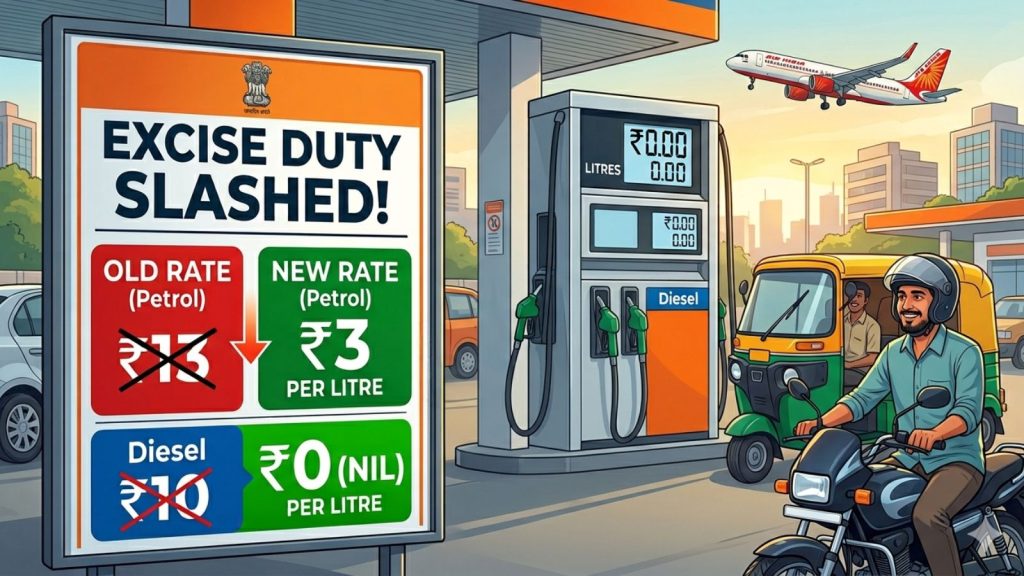

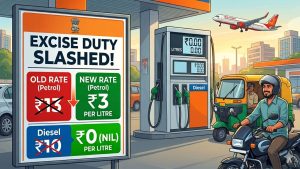
In a sweeping move to shield the Indian economy from a global energy shock, the Government of India has announced a dramatic reduction in the Special Additional Excise Duty (SAED) on motor fuels. Effective immediately, the excise duty on petrol has been slashed from ₹13 to just ₹3 per litre, while the duty on diesel has been wiped out entirely, falling from ₹10 to zero.
Key Takeaways
- The Government of India has drastically reduced the Excise Duty on Petrol and Diesel 2026 to ₹3 per litre for petrol and zero for diesel.
- This decision aims to shield the economy from rising global crude prices driven by the West Asia crisis.
- Despite the duty cut, fuel prices at the pump may not drop immediately due to Oil Marketing Companies’ losses and pressure from private retailers.
- The government maintains ample oil stock to ensure supply security amid rising international prices.
- The measures prevent significant inflation increases while focusing on market stabilization and potential benefits for consumers.
A Strategic Shield Against Global Volatility
The decision, formalized via Central Excise Notification No. 05/2026 dated March 26, comes as international Brent crude prices have skyrocketed, hovering near $122 per barrel. The surge is largely attributed to the escalating West Asia crisis and the subsequent blockade of the Strait of Hormuz, a vital artery for India’s oil imports.
Union Minister Dr. Jitendra Singh hailed the decision as “courageous and sensitive,” noting that Prime Minister Narendra Modi has once again risen to the occasion to bring relief to the common man, reminiscent of the proactive measures taken during the COVID-19 pandemic.
Will Fuel Prices Reduce for Consumers?
While the tax cut is massive, amounting to ₹10 per litre for both fuels, the immediate impact at the petrol pump remains complex. Here is why your local fuel rates might not drop overnight:
- OMC Under-recoveries: State-run Oil Marketing Companies (OMCs) like IOC, BPCL, and HPCL have been absorbing massive losses to keep retail prices stable. Reports suggest OMCs were losing nearly ₹24–₹48 per litre as global rates surged.
- Absorption of Costs: This excise duty cut is primarily designed to help OMCs offset these losses, preventing a massive price hike rather than facilitating a price cut.
- Private Players: Just hours before the notification, private retailer Nayara Energy had already hiked prices by over ₹5, signaling the immense pressure on the sector.
Government Assures Supply Security
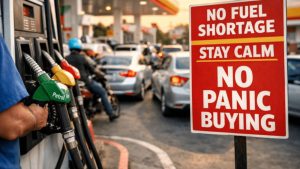
Despite the “sky-high” international prices, Petroleum Minister Hardeep Singh Puri reassured the nation that India’s crude supply position is secure. The government currently maintains approximately 60 days of oil stock cover and 30 days of LPG supply, urging the public to ignore rumors of shortages.
Key Highlights of Notification No. 05/2026
The official gazette notification clarifies the technical adjustments made under Section 5A of the Central Excise Act, 1944:
- Petrol (Motor Spirit): Duty reduced to ₹3 per litre.
- Diesel (High Speed Diesel): Duty reduced to “Nil” (Zero).
- Exports: The notification explicitly states that these concessions do not apply to goods cleared for export, ensuring the benefit remains domestic.
The Road Ahead for the Indian Consumer
While the “Common Man” may not see an immediate ₹10 drop in daily fuel bills, the government’s intervention prevents a catastrophic spike in inflation. By taking a significant hit on its own taxation revenue, the Centre has effectively created a buffer against the West Asian turmoil.
As global markets stabilize, the focus will shift to whether OMCs pass on further benefits to the retail consumer or continue using the margin to repair their balance sheets.