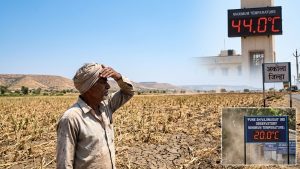
Pune: Mercury Hits 35°C for the First Time this Season; Rain and Thunderstorms Predicted for Next 48 Hours
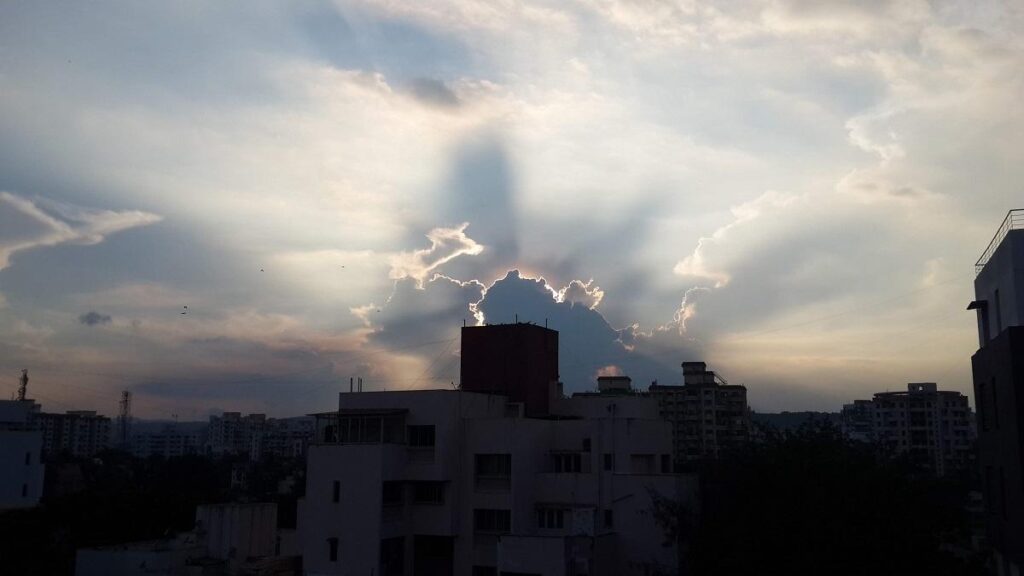

PUNE – In a clear sign of an early transition to summer, Pune witnessed a sharp spike in temperatures this weekend, with the mercury breaching the 35°C mark for the first time this season. While residents grappled with the sudden heat, weather experts have predicted a brief respite in the form of unseasonal rain and thunderstorms across parts of Maharashtra over the next 48 hours.

Lohegaon Emerges as Hottest Spot in the City
Data from the India Meteorological Department (IMD) revealed that the Lohegaon observatory recorded a maximum temperature of 36.7°C, the highest in the city. The overall average maximum for Pune stood at 34.6°C, which is 1.3°C above the normal range for late February.
The rising heat wasn’t limited to the daytime; night temperatures also saw a significant jump. The minimum temperature was recorded at 17.5°C, a staggering 4.1°C above the normal mark, leading to uncomfortably warm nights for Punekars.
Statewide Temperature Extremes
Across Maharashtra, the coastal station of Santacruz in Mumbai reported the state’s highest maximum temperature at 36.3°C. Conversely, Gondia in Vidarbha remained the coolest spot in the state, recording a minimum temperature of 15.6°C.
Relief in Sight: Rain and Thunderstorm Forecast
According to Anupam Kashyapi, former head of the Weather Forecasting Division at IMD Pune, a shift in wind patterns is set to bring a change in weather. A wind interaction zone involving Maharashtra, Madhya Pradesh, and Chhattisgarh is likely to trigger weather activity between February 22 and February 24.
“Maharashtra is likely to see partly cloudy skies with light rain, mild thunderstorms, and lightning in isolated areas,” Kashyapi stated.
For Pune, residents should prepare for “dust-raising winds” and potential light rain or thunderstorms during the afternoon hours. Additionally, the Marathwada region is expected to witness more pronounced thunderstorm activity during this period.