Pune Bans Cement Roads in Narrow Lanes: PMC’s Bold Move to Stop Waterlogging
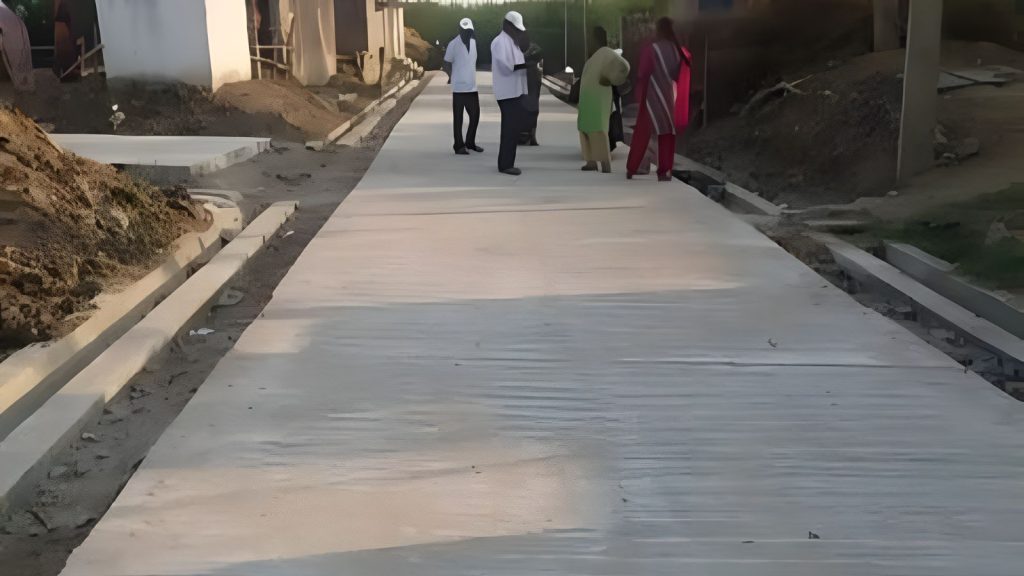

PUNE – In a decisive move to prevent the recurring nightmare of urban flooding, the Pune Municipal Corporation (PMC) has officially banned the construction of cement concrete roads in narrow internal lanes across the city.

Following a catastrophic spell of unseasonal rain this week that saw water entering homes in Kothrud and Sinhagad Road, PMC Commissioner Naval Kishore Ram announced that all roads with a width of less than 9 metres will henceforth be developed using asphalt instead of concrete. The policy shift aims to restore natural soil percolation and address the “unscientific” infrastructure growth that has turned Pune’s bylanes into streams during heavy downpours.
Turning the Tide on Waterlogging
The decision comes as a direct response to the “cloudburst-like” event on April 2, which exposed the vulnerabilities of Pune’s concretized landscape. While cement roads are often touted for their durability and “pothole-free” nature, urban planners have long warned that they prevent rainwater from soaking into the ground.
“The new policy ensures that small roads are not built using concrete, which has significantly increased the probability of flash floods,” stated Commissioner Naval Kishore Ram. “For any future construction on larger roads, it is now mandatory to complete all utility and drainage lines before a single layer of concrete is laid.”
Why Narrow Lanes are Moving Back to Asphalt
Pune currently has nearly 900 kilometres of narrow internal roads. Under the previous trend, many of these were converted to cement, a move often pushed by local leaders but criticized by civic activists.
- Groundwater Recharge: Asphalt roads, while requiring more maintenance, allow for better thermal management and less runoff compared to the heat-trapping, impermeable nature of cement.
- Maintenance Efficiency: Repeated digging for utility repairs (water, gas, and internet cables) on concrete roads is both expensive and damaging to the road’s structural integrity.
- Cost-Effectiveness: Building asphalt roads in internal colonies reduces the immediate financial burden on the PMC, allowing funds to be diverted toward robust stormwater drainage systems.
What’s Next for Pune Residents?
Existing concrete projects in narrow lanes that have not yet commenced will be scrapped and redesigned as asphalt stretches. Residents in areas like Karvenagar, Satara Road, and Aundh, which have been hotspots for stagnation, can expect a shift in construction activity as the city prepares for the 2026 monsoon season.
The PMC has also initiated a “Mission Mode” plan to decongest 32 key arterial roads, ensuring that the transition to asphalt in lanes does not compromise the overall mobility of the city.