PMC Budget 2026-27: Record ₹13,995 Crore Outlay Puts Focus on Water, Roads, and Health Infrastructure
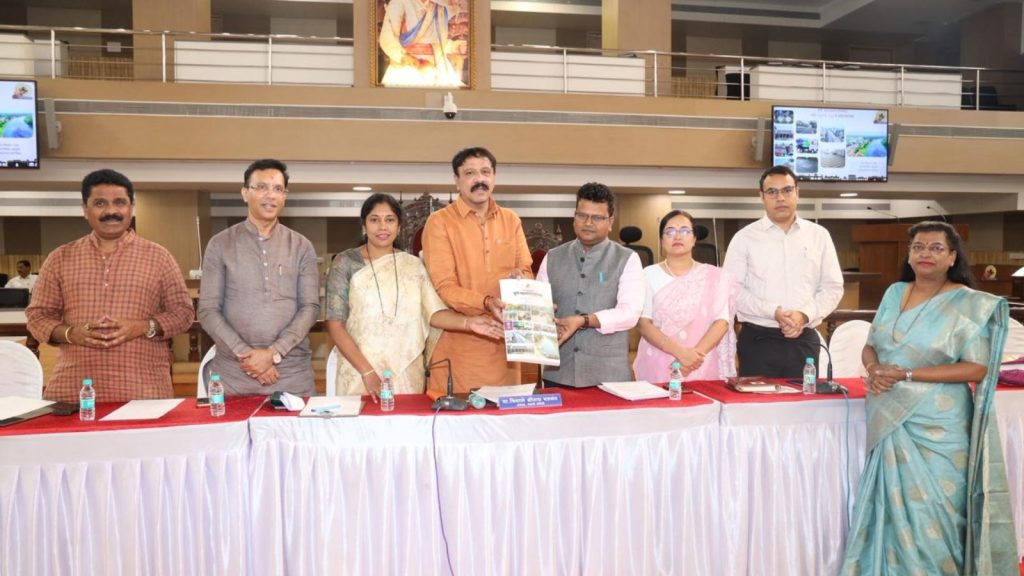

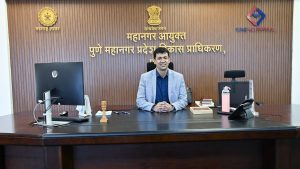
Pune, March 9, 2026: In a significant move to shape the city’s developmental trajectory for the upcoming fiscal year, Pune Municipal Commissioner Naval Kishore Ram on Monday presented the PMC Budget 2026-27, a robust ₹13,995 crore proposal to the Standing Committee. This marks a substantial increase of ₹1,377 crore from the previous year’s estimates, signalling the civic body’s intensified focus on core infrastructure, basic amenities, and healthcare modernisation amidst the city’s rapid expansion.
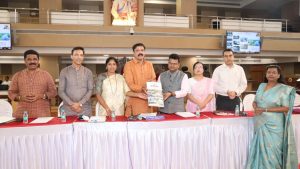
The budget, presented before Standing Committee Chairman Srinath Bhimale, Mayor Manjusha Deepak Nagpure, and other key officials, outlines a comprehensive financial plan with significant allocations for water supply, road development, and solid waste management. With the newly elected general body in place, this draft will now undergo detailed scrutiny by the standing committee before being placed before the general body for final approval by the end of March.
Water Supply Tops Allocations as Civic Chief Unveils ₹13,995 Crore Plan
Reflecting the city’s pressing demand for this precious resource, the PMC Water Supply Allocation has emerged as the single largest departmental expenditure. A staggering ₹2,077 crore has been earmarked for the Water Supply Department, underscoring the administration’s commitment to bolstering the city’s water infrastructure and meeting the needs of a growing population.
Following closely, the Road Department has been allocated ₹1,866 crore for the development and maintenance of Pune’s extensive road network. In a push for cleaner surroundings, the Solid Waste Management department will receive ₹1,390 crore, while sewerage projects across the city have been allotted a significant ₹1,216 crore. Complementing these core sectors, ₹740 crore has been dedicated to traffic planning and transportation infrastructure projects aimed at decongesting the city.
Infrastructure Boost: Flyovers, Bridges, and Metro Integration
The Pune Infrastructure Projects 2026 outlined in the budget promise significant relief for commuters. The civic administration has set clear deadlines for several key projects. Three crucial bridges are targeted for completion before the monsoon of 2026: the Ghorpadi railway bridge, the bridge over the Aga Khan river, and the bridge connecting Suncity to Karvenagar.
For long-pending flyover projects, the PMC has laid out a two-year timeline. The Shastrinagar flyover, Bindu Madhav Thackeray Chowk flyover, and Senapati Bapat Chowk flyover are all expected to be finished within this period. Furthermore, planning is underway for new flyovers at strategic congestion points, including Mundhwa Chowk and Kothrud Bus Depot.
In a bid to promote seamless multi-modal transport, the budget proposes the creation of pay-and-park facilities at 30 amenity spaces near metro stations across the city. This initiative is designed to encourage citizens to use public transport by providing convenient parking for their personal vehicles. Looking further ahead, the PMC is also considering two major tunnel projects, from Pashan to Kothrud and from Hingne Khurd to Taljai Chowk, to improve east-west connectivity.
Major Allocations for Education, Health, and Newly Merged Villages
Beyond core infrastructure, the PMC Budget 2026-27 also prioritises social sectors. The Primary Education Department has been allocated ₹979 crore to strengthen municipal schools. The Building Construction Department will receive ₹650 crore, while the Garden Department gets ₹205 crore for developing green spaces. Allocations have also been made for the Environment Department (₹51.59 crore), Heritage Cell (₹28.50 crore), and the Cultural Centre Department (₹171.31 crore).
A key highlight is the comprehensive plan to integrate the 32 villages recently merged into PMC limits. The budget includes specific provisions to upgrade the basic but often inadequate infrastructure in these areas, focusing on roads, water supply systems, and drainage networks to bring them on par with the rest of the city.
Health Takes Centrestage with ₹881.74 Crore and Modernisation Drive
In a major push for urban health, the PMC has proposed a total allocation of ₹881.74 crore for the Health Department in the 2026-27 budget. This includes ₹131.30 crore for capital expenditure and ₹750.44 crore for revenue expenditure. The flagship announcement under this head is the complete modernisation of the Kamala Nehru Hospital, which is affiliated with the Atal Bihari Vajpayee Medical College. The hospital will be upgraded with modern operation theatres and advanced medical equipment.
The civic body has also intensified its public health campaigns. Pune has been selected under the central government’s PM-ABHIM scheme, leading to the establishment of a Metropolitan Surveillance Unit and a modern laboratory at Javle Bhavan to strengthen disease surveillance. Additionally, a special provision has been made to make Pune a “rabies-free” city through intensified sterilisation and vaccination of stray animals, with plans to set up shelter centres in public spaces.
Revenue and Expenditure: A Fiscal Overview
On the revenue front, the civic administration has projected significant income from PMC Property Tax (₹3,152.40 crore), development charges from building permissions (₹3,406.86 crore), and GST compensation (₹2,917.95 crore). The PMC also plans to raise ₹500 crore through municipal bonds to fund its ambitious projects. The largest expenditure head remains employee salaries and benefits, amounting to ₹3,881.70 crore, followed closely by capital and development works pegged at a massive ₹5,773.54 crore.
As the Standing Committee, led by Chairman Srinath Bhimale, begins its detailed review, the eyes of Punekars are now fixed on how this financial blueprint will translate into tangible improvements in their quality of life.