Mumbai Water Metro Launch Date Set for Dec 2026: Route Map, Fare, and Navi Mumbai Airport Connectivity
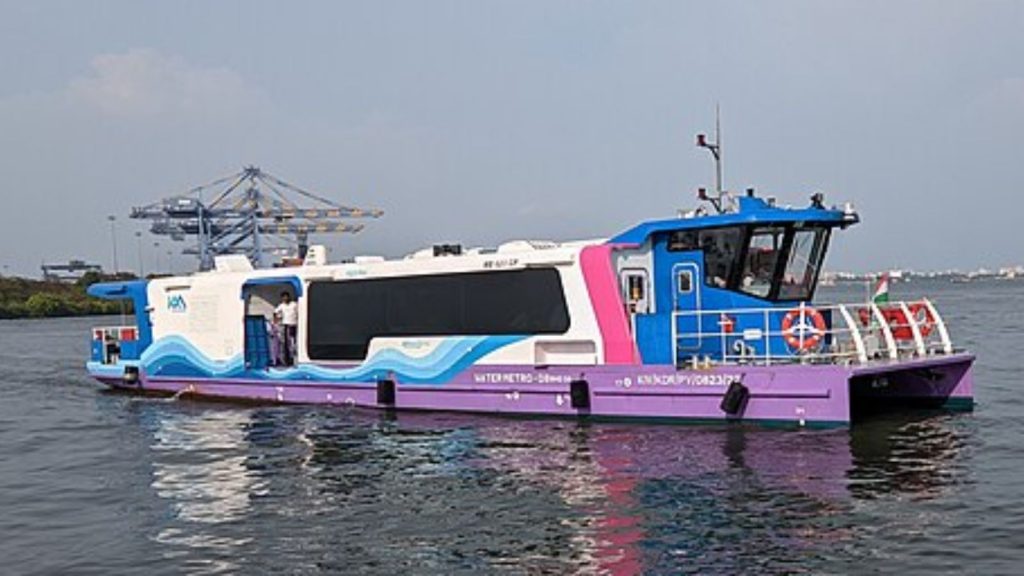
Representative Image

Mumbai | February 20, 2026 – In a significant boost to the city’s crumbling transport infrastructure, Mumbai is set to reclaim its coastline as a primary transit corridor with the launch of the Mumbai Water Metro in December 2026.

Modelled after the successful Kochi Water Metro, this ₹1,200-crore project will introduce a fleet of battery-powered, air-conditioned electric ferries designed to bypass the perennially congested Western Express Highway. Maharashtra Ports Minister Nitesh Rane confirmed that the Detailed Project Report (DPR) will be submitted by February 28, with a formal announcement expected from CM Devendra Fadnavis during the state budget on March 6, 2026.
Mumbai Water Metro Phase 1: Key Routes and Stations
The first phase of the project will focus on the city’s western coastline, connecting high-traffic residential and commercial hubs. The identified Mumbai Water Metro routes for the initial rollout include:
- Nariman Point
- Worli
- Bandra
- Juhu
- Versova
These routes are strategically chosen to provide an alternative to the suburban rail and road networks, potentially reducing travel time between South Mumbai and the Western Suburbs by over 50%.
40 Minutes to Navi Mumbai International Airport
Perhaps the most anticipated feature of the Water Metro is its connection to the newly operational Navi Mumbai International Airport (NMIA). Once the Radio Club jetty near the Gateway of India is completed, commuters will be able to reach the airport from South Mumbai in just 40 minutes.
This sea link will complement the newly approved Metro Line 8 (Gold Line), a 35-km high-speed rail corridor that will connect Chhatrapati Shivaji Maharaj International Airport (CSMIA) and NMIA in approximately 30–35 minutes. Together, these projects aim to create a “twin-airport” ecosystem with world-class connectivity.
The Electric Ferry Model: Eco-Friendly and Efficient
The Mumbai Water Metro will employ sustainable technology to ensure zero-emission travel.
- Fleet: Battery-powered electric boats with a capacity of 50 to 100 passengers.
- Technology: Noise-free and vibration-free vessels, similar to those in Kerala.
- Integration: Commuters can use the ‘Mumbai One’ card, allowing for seamless transfers between the Water Metro, Mumbai Metro lines, and BEST buses.
Mumbai Water Metro Ticket Price and Fare Structure
While the final fare chart is pending the DPR submission, officials have indicated that Mumbai Water Metro ticket prices will be competitive. To encourage mass adoption, the pricing is expected to be at par with AC local train fares or existing Mumbai Metro rates. The goal is to provide a premium commuting experience that is affordable for the daily office-goer.
Impact on Mumbai Infrastructure and Traffic
With the MMRDA recently presenting its first surplus budget in nine years, the state is accelerating several mega-projects. The Water Metro is a central pillar of the “Mumbai 3.0” vision, aimed at decentralizing the city and improving climate resilience. By shifting a portion of the daily 8 million commuters from roads to the sea, the project expects to significantly lower the city’s carbon footprint and ease the burden on the Western Railway line.