Maharashtra Freezes New Auto-Rickshaw Permits from March 9: 5 Big Reasons Behind the Ban
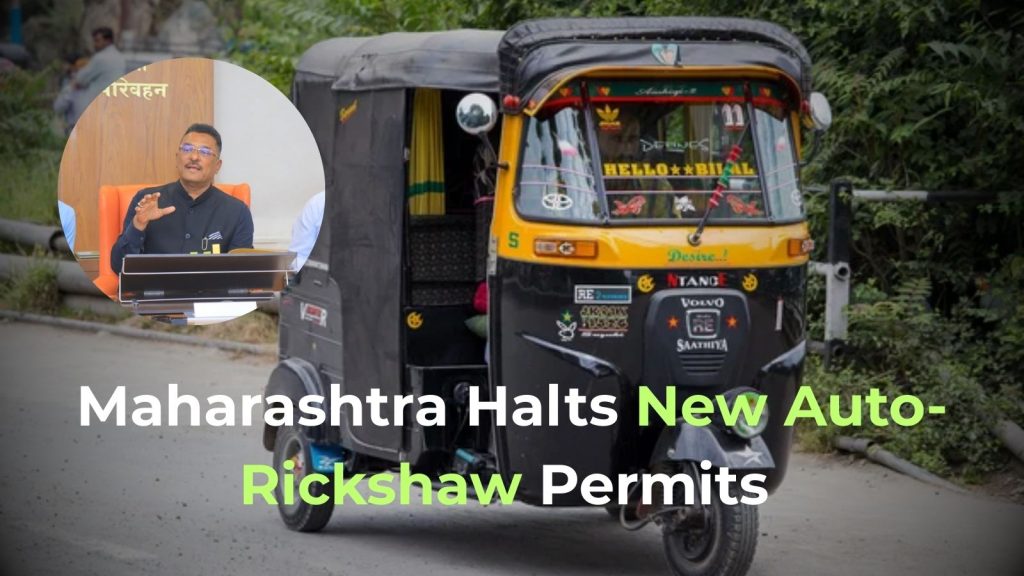

The Union Ministry of Road Transport and Highways (MoRTH) has clarified that state governments possess the authority to regulate auto-rickshaw permits in cities with populations exceeding five lakh . Following correspondence initiated by the Maharashtra Transport Department, the Centre issued an official memorandum granting the state flexibility to make decisions based on local conditions .
Under the Motor Vehicles (Amendment) Act, 2019, state governments have been granted greater flexibility to regulate their transport systems according to specific requirements . Furthermore, Section 67(3) of the Motor Vehicles Act, 1988 empowers state governments to modify passenger and goods transport permits and implement various schemes aimed at improving last-mile connectivity and reducing traffic bottlenecks .
Alarming Statistics Reveal Vehicle Saturation in Maharashtra
According to the Economic Survey 2025-26, Maharashtra currently hosts over 12.96 lakh registered auto-rickshaws, with total permits issued across the state reaching approximately 14 lakh . In the Mumbai Metropolitan Region, vehicle density has spiked to a staggering 2,648 vehicles per kilometre, the highest among all Indian metros .
Mumbai’s suburbs alone account for over 2.5 lakh auto-rickshaws, creating an unsustainable “lane-to-vehicle” ratio that has led to haphazard parking and what transport experts describe as “rolling bottlenecks” . In Pune, the number of auto-rickshaws has risen sharply from approximately 47,000 in 2017 to about 1.42 lakh currently .
Environmental Concerns Drive Policy Shift
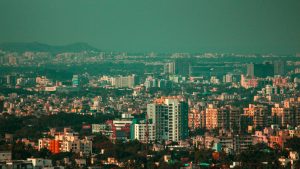
The decision to suspend new permits is also driven by serious environmental concerns. In early 2026, Mumbai’s Air Quality Index (AQI) frequently hovered between 170 and 200, firmly in the “Unhealthy” category . While many auto-rickshaws have transitioned to CNG, the sheer volume of idling vehicles in congested traffic contributes significantly to PM10 and NOx levels .
Urban planners argue that without a freeze on new permits, the carbon footprint of the “last-mile” transport sector would negate the gains made by the city’s expanding Metro network and the transition to electric buses . The moratorium aligns with broader efforts to improve air quality and create more sustainable urban environments .
Irregularities and Malpractices in Permit Issuance
Minister Sarnaik revealed that the government has received multiple complaints regarding irregularities in the issuance of auto-rickshaw permits . “In some cases, several permits have reportedly been issued within the same household. There are also allegations that certain permits were illegally granted to Bangladeshi nationals,” the minister disclosed .
These complaints are currently being examined by the transport department as part of the broader review of the permit system . A state-wide verification drive has been initiated to ensure that the transport sector remains both legal and manageable, addressing concerns about fraudulent documentation and unauthorized beneficiaries .
Economic Impact on Existing Auto-Rickshaw Drivers
Existing auto-rickshaw unions and associations have welcomed the moratorium, having long complained about an oversupply of vehicles cannibalizing their business and reducing daily earnings . Drivers have reported a “fare drought,” where excessive competition has slashed individual incomes significantly .
By stopping new permits, the government aims to stabilize the earnings of the existing 1.4 million permit holders and ensure that those already on the roads can operate without their livelihoods being undermined by unchecked expansion .
Future Policy Framework and SOP Development
The government is currently drafting a new Standard Operating Procedure (SOP) for the future issuance of auto-rickshaw permits . Minister Sarnaik emphasized that the goal is to ensure that future permits benefit those truly in need, such as children of farmers seeking livelihoods and educated unemployed youth looking for self-employment opportunities .
“We are preparing a proposal based on these new SOPs to be presented before the Cabinet. Once the Cabinet approves the new regulations, the process will resume under the revised framework. Until then, no new permits will be issued,” Minister Sarnaik clarified .
Future of Electric Auto-Rickshaws
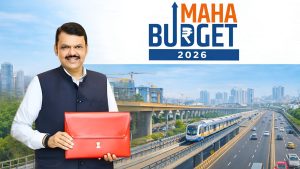
While internal combustion engine (ICE) rickshaw permits are frozen under the current moratorium, indications suggest that the door may remain open for electric alternatives (EVs) in the future . The Mahayuti government’s 2026-27 budget hints at pivoting toward “quality over quantity,” with potential provisions for environmentally friendly transport options aligned with the state’s green energy goals .
This approach would support the transition to cleaner mobility solutions while maintaining regulatory control over vehicle numbers in congested urban areas.
Conclusion
The Maharashtra government’s decision to suspend new auto-rickshaw permits from March 9 represents a comprehensive approach to addressing the interconnected challenges of traffic congestion, urban pollution, economic sustainability for drivers, and regulatory transparency. As the state works toward finalizing a revised policy framework, stakeholders across the transport sector await clarity on the future direction of auto-rickshaw permits in Maharashtra’s rapidly evolving urban landscape .