Leaving for vacation? Don’t worry about watering your plants; this home gardening hack will keep plants thriving while you travel
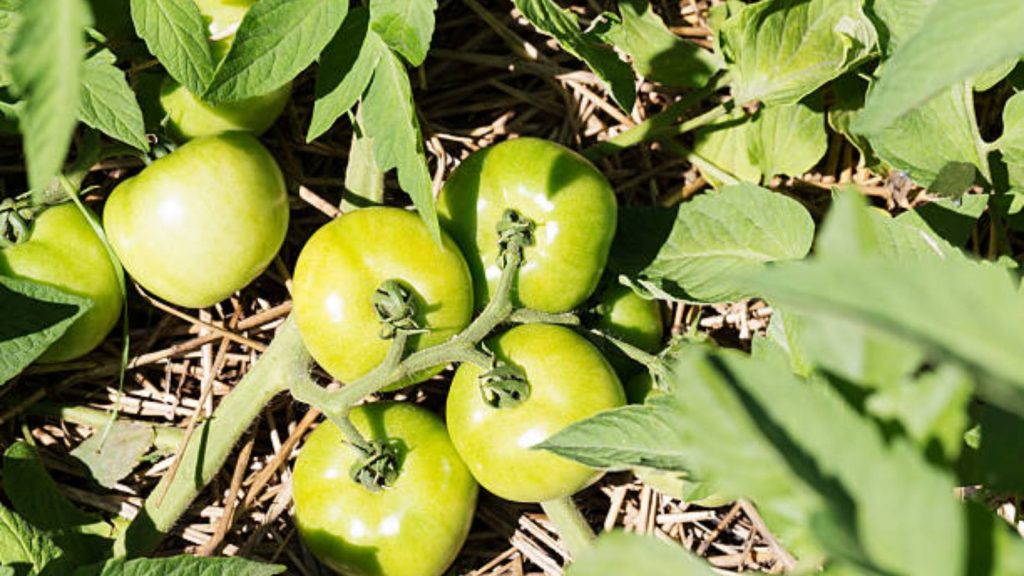

For many globetrotters, the excitement of a boarding pass is often dampened by “garden guilt”, the looming dread that a week-long trip will result in a backyard full of withered stems and flourishing weeds. However, experts and recent agricultural studies suggest that the secret to a self-sustaining garden isn’t a complex irrigation system, but a simple, centuries-old natural material: straw mulch.

Vince Braun, CEO of the Canadian-based HealthiStraw, notes that the primary hurdle for mobile gardeners isn’t the planting, but the maintenance. “It’s keeping everything alive and healthy while you’re away from home,” Braun said.
A Triple Threat Against Garden Neglect
Straw mulch acts as a “protective blanket” for the soil, addressing the three biggest threats to an unattended garden:
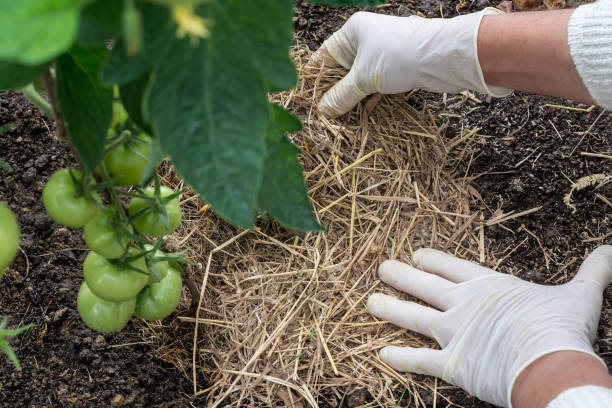
- Moisture Retention: Straw acts like a natural sponge. According to a 2025 study in Frontiers in Plant Science, mulching significantly enhances soil water retention. In most climates, a properly mulched bed can survive up to a week without manual watering.
- Temperature Regulation: It insulates roots against the scorching midday sun and unexpected cold snaps, ensuring the soil temperature remains stable.
- Natural Weed Suppression: By blocking sunlight from reaching the soil surface, straw prevents weed seeds from germinating. Research published in the Journal of Farm Sciences (2025) confirms that mulch results in significantly lower weed density.
Mastering the Application
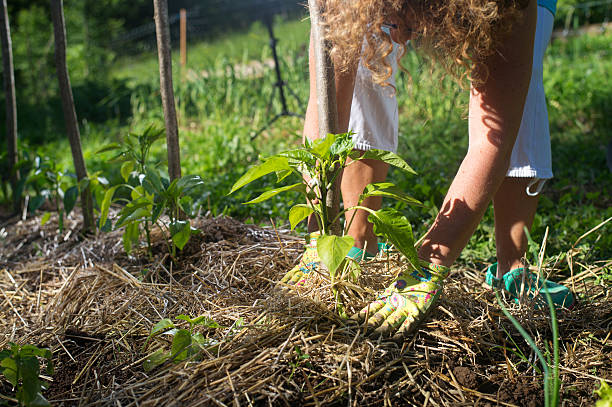
To transform a high-maintenance plot into a self-sustaining ecosystem, Braun recommends a strategic approach to application:
- The “Goldilocks” Layer: Aim for a thickness of 2 to 3 inches. A layer too thin allows weeds to break through, while a layer too thick can stifle air circulation. Always leave a small gap around the plant stems to prevent rot.
- Climate Customization: If you are in a particularly humid or wet region, lean toward a thinner layer to prevent soil compaction. In arid, desert-like conditions, go thicker to fight evaporation.
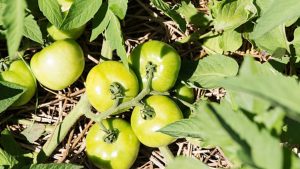
- Plant Compatibility: While vegetables like tomatoes and squash thrive under straw, avoid mulching “dry-weather” herbs like lavender or rosemary, which prefer less moisture around their roots.
The End of “Garden Guilt”
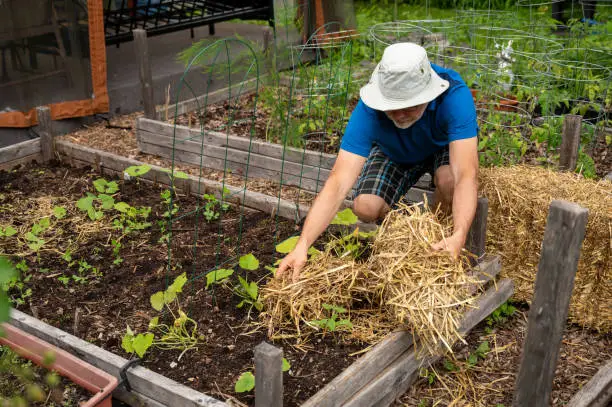
As the travel industry sees a surge in long-term trips and business travel in 2026, low-intervention gardening is becoming a necessity. Recent data in the Oriental Journal of Chemistry suggests mulch can raise soil moisture by as much as 10% to 50%.
“You’re not relying on complex systems or asking neighbors for favors,” Braun says. “You’re working with nature to create the conditions plants need to flourish independently.”
For the modern traveler, this means the freedom to explore the world without returning to a graveyard of greenery.