IndiGo Operations Stabilize Following December Crisis; DGCA Mandates Strict Oversight and Corrective Action
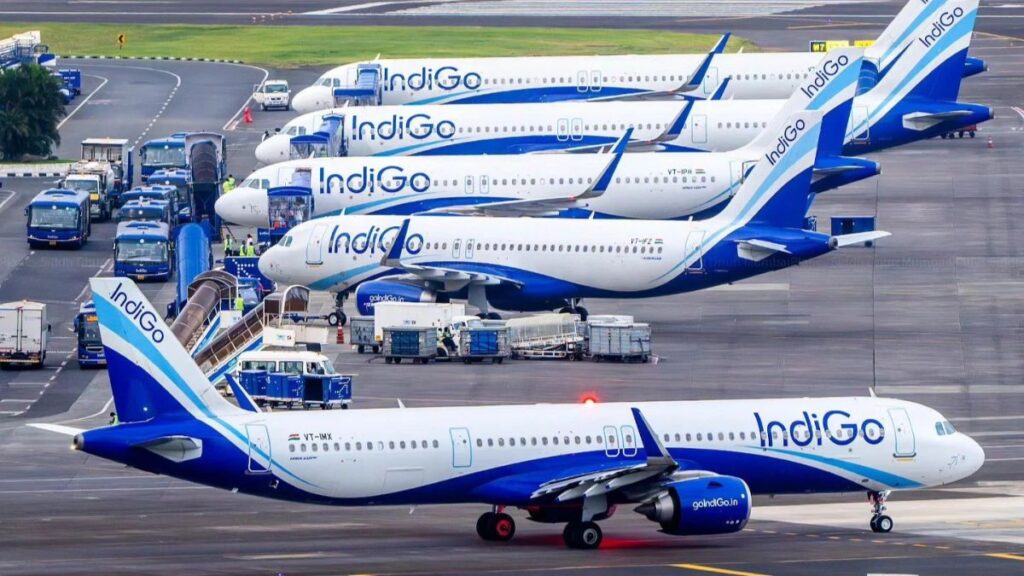

IndiGo Airlines faced major operational disruptions in early December 2025, leading to widespread flight delays and cancellations across its network. A detailed regulatory review has now revealed that the issues were rooted in crew mismanagement, weak operational buffers, and gaps in planning and system preparedness at the operator level.
According to the assessment, IndiGo’s planning processes failed to flag emerging operational risks in time. The airline followed an aggressive utilisation strategy for aircraft, crew, and network resources, which significantly reduced buffer margins. Crew rosters were designed close to the maximum permissible duty limits, with heavy dependence on dead-heading, tail swaps, extended duty patterns, and minimal recovery time. This approach weakened roster integrity and reduced the airline’s ability to absorb disruptions.
These practices also affected the smooth implementation of the revised Flight Duty Time Limitations (FDTL) norms, further compounding operational stress during the peak period.
Immediate regulatory intervention
In view of the scale of disruption and its impact on passengers, the Ministry of Civil Aviation, in coordination with the Directorate General of Civil Aviation, stepped in with immediate stabilisation and enhanced oversight measures. Certain temporary operational relaxations were allowed strictly in public interest to stabilise the system, without compromising safety.
From December 6 to December 30, 2025, the DGCA deployed two Flight Operations Inspectors along with passenger facilitation personnel at IndiGo’s Operations Control Centre and key airports. These teams closely monitored daily operations, passenger handling, and regulatory compliance during the recovery phase.
Enhanced reporting and corrective action
During this period, IndiGo was directed to submit daily operational reports covering flight cancellations and delays, crew positioning and availability, leave and standby utilisation, and system performance indicators.
In addition, the airline was asked to provide weekly and fortnightly reports on critical operational and manpower parameters. A detailed Corrective Action Plan was also sought, outlining steps to ensure long-term operational stability and full compliance with revised FDTL norms.
The enhanced reporting framework covered standby utilisation for the Airbus fleet, pilot training plans, attrition forecasts, pending endorsements, command upgrades, First Officer hiring, pilot release timelines across categories, required versus available pilot strength, and fleet availability across Airbus, ATR, and wet-leased aircraft.
So far, IndiGo has submitted four weekly reports and three fortnightly reports, and has participated in regular review meetings with the DGCA, sharing updated data on all key operational parameters.
Pilot strength now adequate
At the latest weekly review meeting held on January 19, 2026, IndiGo reported adequate pilot availability against its projected operational requirements. As per figures shared for February 10, 2026, the airline requires 2,280 Airbus commanders and 2,050 Airbus First Officers. The available strength stands at 2,400 commanders and 2,240 First Officers, indicating a comfortable buffer.
| Category | Required | Available |
| Airbus PIC (Captains) | 2,280 | 2,400 |
| Airbus First Officers | 2,050 | 2,240 |
During the meeting, IndiGo assured the regulator that based on the approved network, current crew strength, and withdrawal of the two FDTL exemptions granted on December 6, 2025, there would be no flight cancellations after February 10, 2026.
Operations stabilised, monitoring continues
The DGCA noted that sustained regulatory oversight and the corrective measures implemented by IndiGo have led to stabilisation of operations and improved service reliability. However, the regulator will continue close monitoring, with special focus on roster integrity, crew availability, buffer adequacy, system robustness, and strict adherence to FDTL requirements.
The Ministry of Civil Aviation and the DGCA reiterated their commitment to passenger safety, public interest, and ensuring resilient and compliant airline operations across the aviation sector.