Indian Railway Stations Loose Their Nostalgic Appeal as Iconic AH Wheeler Bookstalls Vanish from Platforms

We all have fond memories of railway stations, a place we used to play and run around, while waiting for our train to take us to grandparents’ house during summer school break.

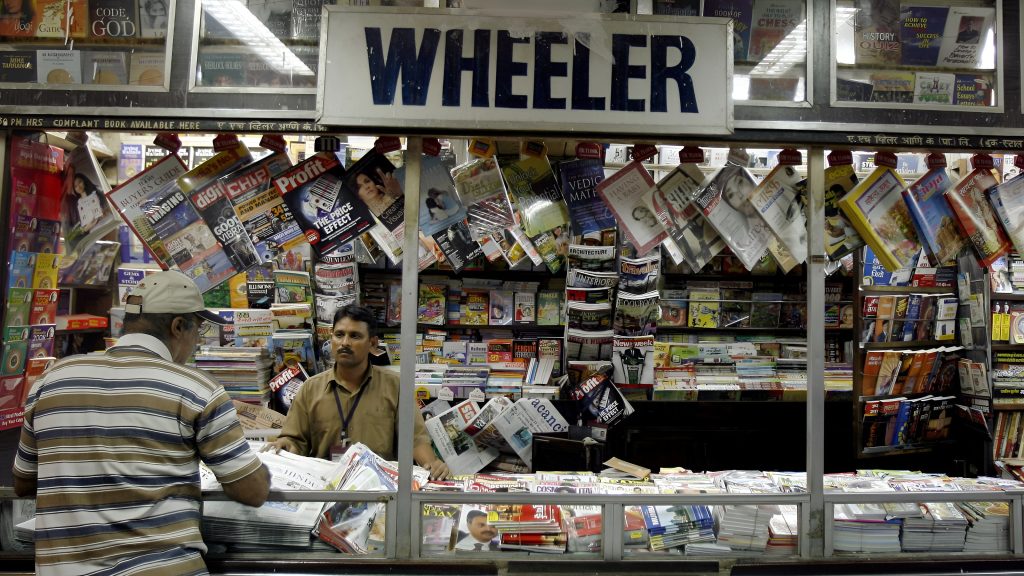
For over a century, the sight of the yellow-and-black AH Wheeler kiosks was as essential part of any Indian train journey as a cup of platform chai; today, that familiar silhouette is officially a part of history.
The Final Curtains for a Literary Legacy
In a move that has sent ripples of nostalgia across the country, Western Railway (WR) has completed the phase-out of 55 AH Wheeler bookstalls within its Mumbai Central Division. The transition follows the expiration of a five-year agreement on March 31, 2026, marking the formal end of a contract that once gave the chain a virtual monopoly on railway literature.
Following a directive issued last week, vendors were given a strict 72-hour window to clear their stocks and hand over the premises. As of this morning, the shutters remain down at major hubs including Churchgate, Dadar, and Andheri, signaling the conclusion of a journey that began in 1877.
From Kipling to Kindle: Why the Change?
The decision is rooted in the Indian Railways’ “New Multi-Purpose Stall (MPS) Policy.” Under this model, the railways aim to decongest platforms by replacing specialized bookstores with “all-in-one” kiosks. These new units will sell:
- Packaged food and beverages
- Over-the-counter medicines
- Daily essentials and travel gear
- A significantly reduced selection of books and magazines
An official spokesperson for Western Railway stated that the shift is driven by “evolving commuter needs and the necessity to optimize platform space for better passenger movement.” Financial experts suggest that the revenue potential of snack-vending MPS far outweighs that of traditional bookstores in the digital age.
The Allahabad Roots and the Kipling Connection
Founded in Prayagraj (then Allahabad) by Emile Moreau and T.K. Banerjee, AH Wheeler & Co. was more than just a retail chain. It was a cultural institution that published Rudyard Kipling’s early works through its “Indian Railway Library” series. For decades, it was the primary source for Tinkle, Champak, and Reader’s Digest, shaping the reading habits of millions of middle-class Indians.
A Lone Sentinel at Mumbai Central
While the kiosks are being dismantled elsewhere, one piece of history remains. Railway authorities have confirmed that the AH Wheeler stall at Mumbai Central Terminus—famous for its ornate, original wooden design—will not be demolished. Instead, it will be preserved as a heritage structure and repurposed, likely as a dedicated rail-museum kiosk, to honor the 150-year-old legacy of the brand.
Public Reaction: A Bittersweet Farewell
Social media has been flooded with “Last Trip” photos of the stalls. “Before smartphones, the Wheeler stall was our Netflix,” says Alok Mehta, a daily commuter. “It was the place where you bought your first detective novel or a puzzle book to survive a 24-hour journey. Seeing them empty is like seeing a part of my childhood being packed away.”
As the “Wheeler Dealer” era ends, commuters will now look toward sleeker, more commercialized kiosks, though many argue that the soul of the Indian railway platform has permanently shifted.

Vineet Gupta is the Founder and Managing Editor of PuneNow, where he oversees local news delivery and explores mindful living, parenting, and personal growth. An alumnus of the University of Wales, Vineet has travelled extensively and worked across hospitality, finance, and academia. Now based in Pune, his diverse global background informs his hyper-local perspective, helping the community find meaning, balance, and connection in everyday life.