Engineering the Impossible: India’s 5 Most Iconic Bridges That Are True Architectural Wonders
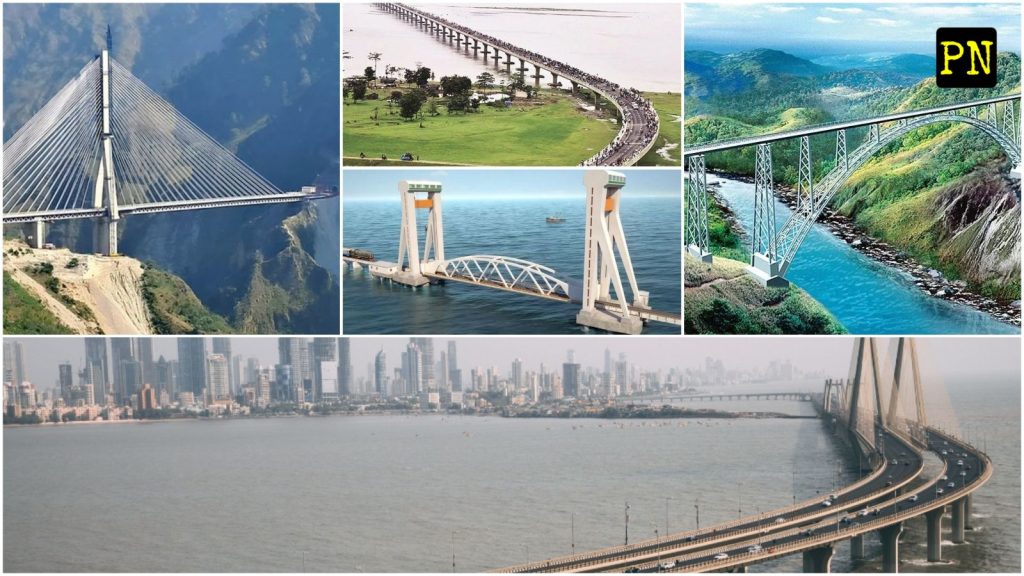

Across the length and breadth of the Indian subcontinent, from the snow-dusted peaks of the Himalayas to the salt-sprayed coasts of the Arabian Sea, a silent revolution is taking place. It is a revolution of steel, concrete, and unyielding human resolve. As we sit down for our weekend read at PuneNow, we often reflect on how our city is expanding, but today we look further, at the colossal structures that are knitting the entire fabric of India together.
India’s bridges are more than just transit points; they are testimonies to engineering ambition. They span turbulent rivers, deep gorges, and restless seas, conquering geography that for centuries dictated isolation. These structures shorten distances that once took days to cross, opening doors for remote communities and standing firm against nature at its fiercest.
The Giant of the West: Atal Setu (MTHL)
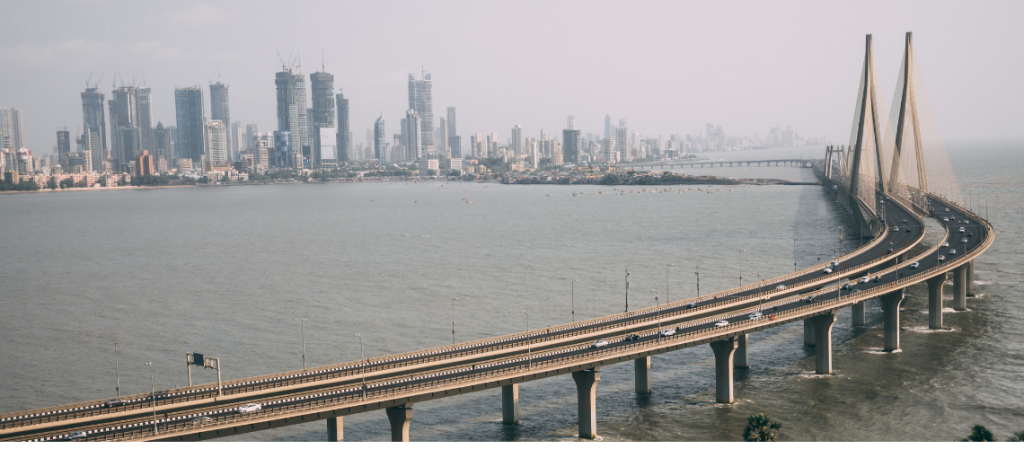
Mumbai, a city that never sleeps, has long been throttled by its own geography, an island city bursting at its seams. The Atal Bihari Vajpayee Sewri-Nhava Sheva Atal Setu, popularly known as the Mumbai Trans Harbour Link (MTHL), is the boldest stroke yet on the city’s canvas.
Standing as India’s longest sea bridge, the Atal Setu spans a staggering 16.5 kilometers over the sea and extends another 5.5 kilometers on land. Built at a cost of Rs. 17,843 crore, it serves as a critical pressure valve for Mumbai’s traffic. Beyond the engineering metrics, the bridge is a lifeline for trade, industry, and tourism, connecting the island city to the mainland with unprecedented speed. Remarkably, despite the disruptions of the Covid-19 pandemic, the project stayed its course, proving that Indian infrastructure could meet global deadlines under pressure.
Touching the Sky: The Chenab Bridge
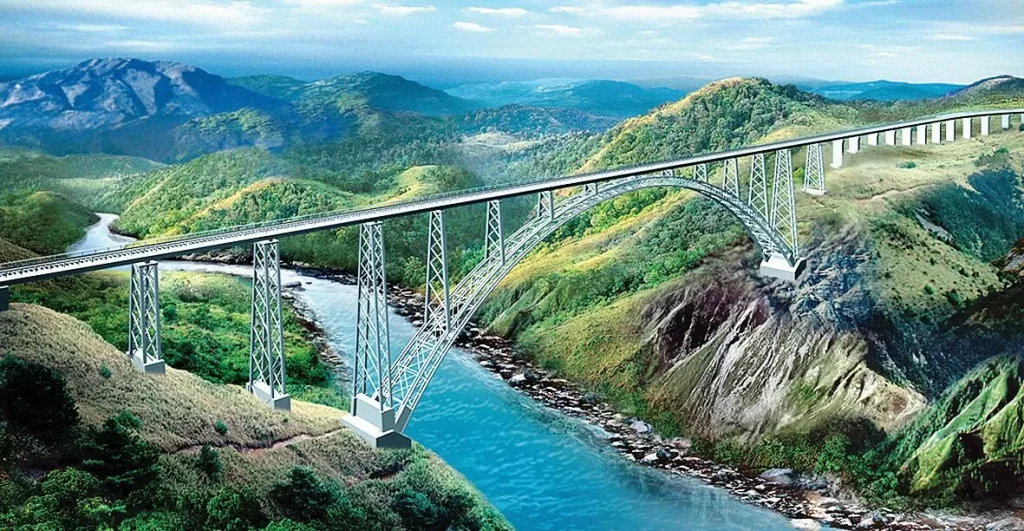
If the Atal Setu is a feat of length, the Chenab Bridge is a feat of sheer height. Rising 359 meters above the Chenab River, it has officially claimed the title of the world’s highest railway arch bridge. To put that in perspective, this bridge stands 35 meters higher than the Eiffel Tower.
Located in the Udhampur–Srinagar–Baramulla Railway Link (USBRL) section, this 1,315-meter-long steel arch was birthed through extreme adversity. Engineers battled falling rocks, unstable mountain terrain, and ferocious wind speeds of up to 260 kmph. Built with a projected lifespan of 120 years and a cost of Rs. 1,486 crore, it will soon host Vande Bharat trains, slashing travel time between Katra and Srinagar to a mere three hours. It isn’t just a bridge; it’s a monument to India’s technical excellence.
Innovation in the Surf: The New Pamban Bridge
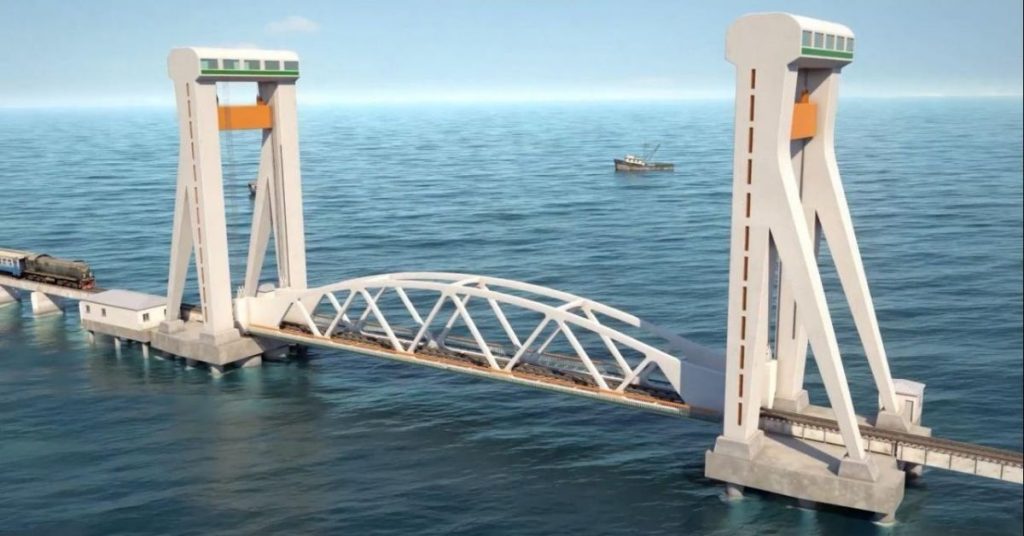
Moving to the southern tip of the peninsula, the New Pamban Bridge is making waves as India’s first vertical lift railway sea bridge. Connecting the holy island of Rameswaram to mainland India, this 2.07 km structure replaces its century-old predecessor with cutting-edge technology.
The centerpiece is a 72.5-meter vertical lift section that can rise 17 meters into the air. This allow ships to pass through the channel without halting the rhythm of the railway. The construction was a battle against the elements, cyclones, high-velocity winds, and corrosive salt air. To combat the latter, engineers used stainless reinforcement and a specialized polysiloxane finish. Remarkably, the entire 1,400-ton fabrication and the launching of 99 girders were completed with zero injuries, a gold standard for safety in maritime construction.
The Sentinel of the Northeast: Dhola–Sadiya Bridge
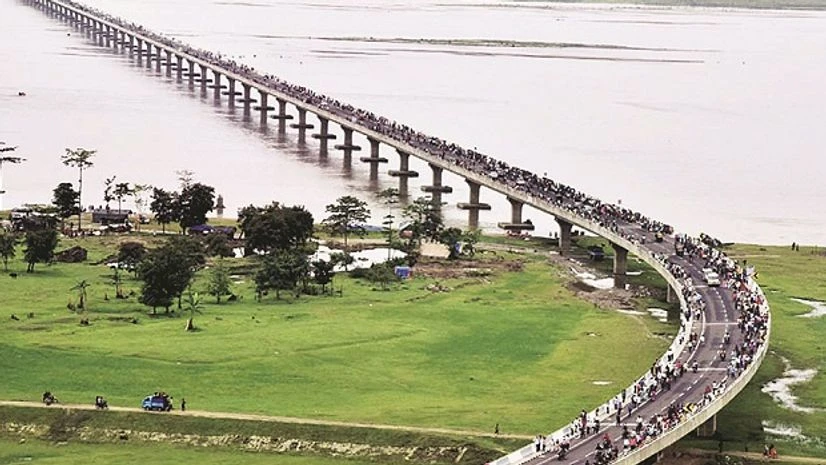
In the East, where the Brahmaputra and its tributaries weave a complex web of water, the Dhola–Sadiya Bridge (also known as the Bhupen Hazarika Setu) stands as a strategic titan. Spanning 9.15 kilometers over the Lohit River, it provides the first permanent road link between northern Assam and eastern Arunachal Pradesh.
While it has transformed civilian life by providing 24/7 connectivity, its design holds a deeper purpose. The bridge is engineered to support the weight of 60-tonne military tanks, including the Indian Army’s Arjun and T-72 models. In a region where geography often complicates defense logistics, this bridge is a vital pillar of national security.
A Himalayan Masterpiece: Anji Khad Bridge
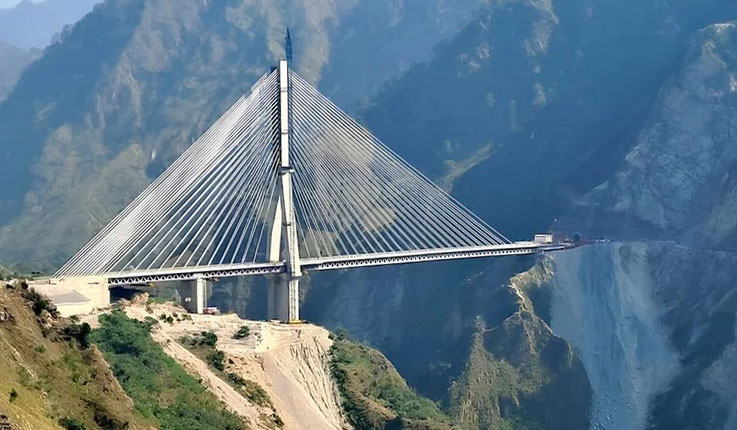
Not far from the Chenab Bridge lies another “first”, the Anji Khad Bridge, India’s first cable-stayed railway bridge. Tucked away in the Katra–Banihal section, it is a sight of sheer elegance, featuring an inverted Y-shaped pylon that rises 193 meters above its foundation.
The bridge is supported by 96 high-tensile cables and utilizes over 8,200 metric tonnes of structural steel. Building it was an environmental and geological puzzle. The area is dominated by cherty limestone and unstable hill-wash debris. To protect the fragile Himalayan ecology, engineers implemented extensive slope-stabilization measures. Completed in a record 11 months, the bridge is the final piece of the puzzle in connecting the Kashmir Valley with the rest of the Indian rail network.
Bridges of India: Architecture Against the Odds
— PIB India (@PIB_India) December 20, 2025
Spanning over turbulent rivers, deep gorges, and restless seas, India’s bridges stand as silent testimonies to country’s engineering ambition💪
✦ #AtalSetu, also known as Mumbai Trans Harbour Link (MTHL), marks Mumbai’s biggest… pic.twitter.com/C5FEDsZQ8W
Frequently Asked Questions: India’s Engineering Marvels
Q1: Which is currently the longest bridge in India? As of late 2025, the Atal Bihari Vajpayee Sewri-Nhava Sheva Atal Setu (Mumbai Trans Harbour Link) holds the title of the longest bridge in India. It spans a total of 21.8 km, with 16.5 km built over the sea.
Q2: How does the Chenab Bridge compare to global landmarks like the Eiffel Tower? The Chenab Bridge is the world’s highest railway arch bridge. Rising 359 meters above the riverbed, it is exactly 35 meters taller than the Eiffel Tower in Paris. It is designed to withstand extreme wind speeds of up to 260 kmph and has a lifespan of 120 years.
Q3: What makes the New Pamban Bridge unique in Indian history? It is India’s first vertical lift railway sea bridge. Unlike the old bridge which had a “bascule” (swing) opening, the new one has a 72.5-meter section that lifts vertically like an elevator. This allows massive ships to pass underneath while keeping the railway tracks stable and modern.
Q4: Can the Dhola–Sadiya Bridge really support military tanks? Yes. One of its primary strategic functions is its load-bearing capacity. It is specifically engineered to handle 60-tonne battle tanks, such as the Indian Army’s Arjun and T-72, facilitating rapid movement of heavy artillery to the Arunachal Pradesh border.
Q5: What is a “Cable-Stayed” bridge, and where is India’s first rail version? A cable-stayed bridge uses high-tensile cables connected to one or more towers (pylons) to support the bridge deck. The Anji Khad Bridge in Jammu and Kashmir is India’s first cable-stayed railway bridge, featuring a stunning asymmetrical design with 96 cables anchored to a single 193-meter pylon.
Q6: Are these bridges safe from earthquakes and natural disasters? Absolutely. Most of these structures are built in high-seismic zones. For instance:
- The Atal Setu can withstand earthquakes up to a magnitude of 6.5.
- The Chenab Bridge and Anji Khad Bridge are designed for Zone-V seismic activity (the highest risk category) and can endure massive blasts.
Conclusion: A Nation in Motion
As we look at these structures, alongside others like the Bogibeel and New Saraighat in Assam, or the Digha–Sonpur in Bihar, we see more than just steel and asphalt. We see a nation redrawing its own maps.
These bridges are statements of intent. They prove that India is no longer willing to let “difficult terrain” be an excuse for regional disparity. Every time a Vande Bharat crosses the Chenab or a commuter glides over the Atal Setu, it is a reminder that we are a country reaching forward, building our own path, and overcoming the odds.
For us at PuneNow, covering these stories is a reminder that while our roots are local, our pride is national. These architectural marvels are the new temples of modern India, ensuring that no matter how deep the gorge or how wide the sea, we remain connected.