
Employee Sends Work Email at 6 AM, Netherlands Employer Sends Apology; Company Organizes Meeting


While most Indian employees are conditioned to view a 6:00 AM email as a sign of peak productivity, a Dutch company recently viewed it as a corporate emergency, triggering a formal apology to the employee.

The incident, which has since gone viral on X (formerly Twitter) and Reddit, has reignited a fierce global debate on toxic workplace expectations versus the European “Right to Disconnect.” For professionals in Indian IT hubs like Pune and Bengaluru, where late-night pings and early-morning logs are the norm, the story sounds almost like corporate science fiction.
The 6 AM “Offense” that Triggered an Urgent Meeting
The story began when a remote employee based in the Netherlands sent a work-related email at 6:00 AM. In many parts of the world, such an act would be lauded by management as “going the extra mile.” However, the Dutch firm’s reaction was the exact opposite.
The employee was immediately called into a meeting, not to be reprimanded for a mistake, but to receive an apology. Management expressed concern that the employee felt “unnecessary work pressure” to start their day so early. They wanted to ensure the company hadn’t inadvertently created a culture where employees felt obligated to sacrifice their personal time.
Netherlands vs. India: The Culture Clash
The viral post gained momentum after being linked to a Reddit thread where an American manager attempted to “write up” a Dutch employee for logging off exactly at 5:01 PM. The contrast is stark:
- In the Netherlands: Working overtime is often interpreted as a lack of efficiency or a failure of management to staff the team correctly.
- In India/US: Long hours are frequently worn as a badge of honor, with “hustle culture” prioritizing availability over actual output.
The Netherlands consistently ranks at the top of the OECD Better Life Index for work-life balance. With a standard work week often averaging 29 to 36 hours, the “Dutch Way” prioritizes mental health and family time as essential components of long-term productivity.
First time I sent a work email at 6AM in the Netherlands, they called a meeting to discuss whether I was experiencing unnecessary work pressure of any kind, and they apologised if they gave me that impression 😂😂 https://t.co/MhO2Pa1aEB
— Equivocator™ (@Oluwanonso_Esq) January 5, 2026
Why This is Trending in Pune and Beyond
For the Indian workforce, this story hits a nerve. Recent discussions around “70-hour work weeks” have left many employees feeling burnt out. The Dutch apology serves as a mirror to the toxic work culture prevalent in many local industries.
Legal experts and HR consultants are increasingly discussing the “Right to Disconnect”, a concept already codified in several European countries, which prevents employers from penalizing staff for not responding to communications outside of business hours.
The Business Case for the “Dutch Way”
Critics of the “relaxed” European style often argue it hampers growth. However, data suggests otherwise. High levels of employee satisfaction in the Netherlands lead to lower turnover rates and higher focused productivity during designated work hours. By removing “unnecessary work pressure,” companies foster a loyal, healthy, and more creative workforce.
As the viral debate continues to trend, it leaves Indian corporate leaders with a pressing question: Is it time to stop rewarding the “always-on” mentality and start apologizing for the 6 AM pings?
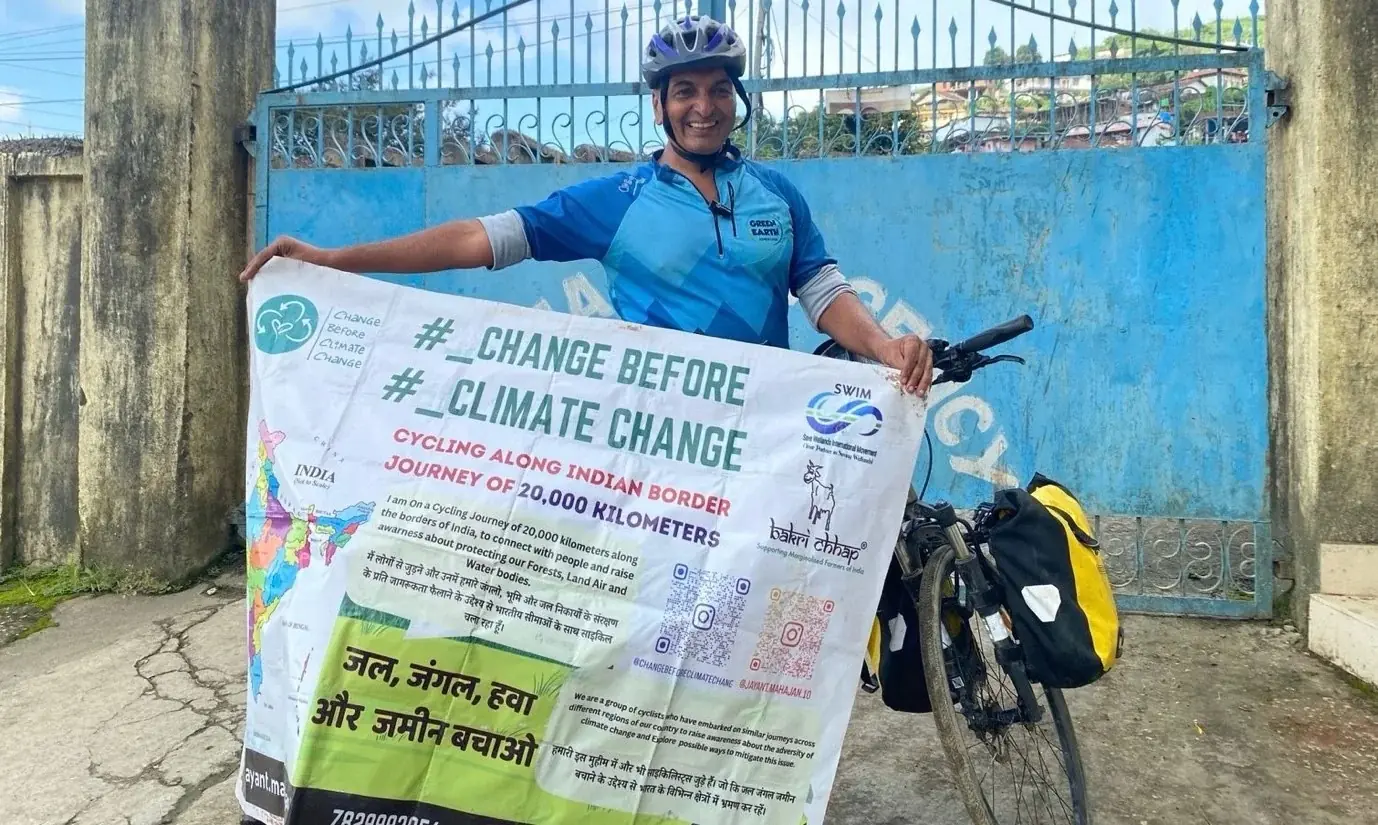
Jayant Mahajan works where Management, technology, and sustainability meet, usually right before things get complicated. With industry experience in business management and digital transformation, he brings real-world messiness into the classroom (on purpose). As an educator, he designs future-ready curricula around data thinking, governance, and ethics, because technology without judgment scales mistakes faster. Through his Change Before Climate Change mission, Jayant helps institutions act early by fixing skills and incentives, so climate action becomes good management, not emergency management. Bridging policy, practice, and purpose, one syllabus at a time.