Chandra Grahan 2026 on Holi: Exact Timings in India, Sutak Kaal, and Why This ‘Blood Moon’ is Rare
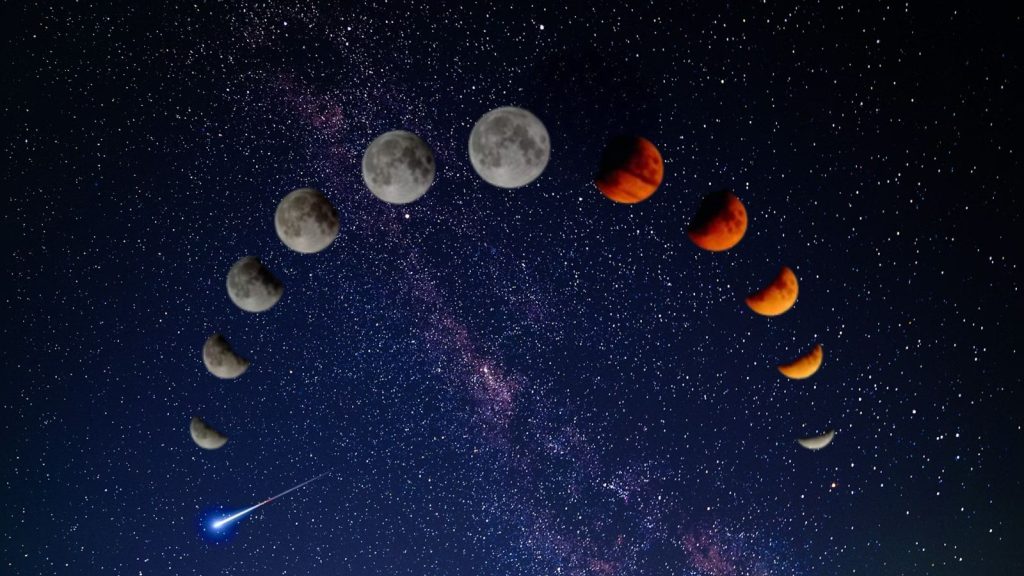

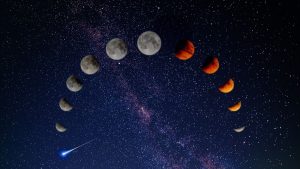
The celestial stage is set for a rare astronomical double-bill as a Total Lunar Eclipse (Chandra Grahan) coincides with the festival of Holi on March 3, 2026.

This “Blood Moon” event is particularly significant for India, as it occurs during the vibrant celebrations of Phalguna Purnima. For skywatchers and those following traditional rituals, understanding the specific Chandra Grahan 2026 date and time is crucial, as the eclipse will be visible as a “Grastodaya” event across several Indian states.
Chandra Grahan 2026 Date and Time in India
The upcoming lunar eclipse on March 3 is a Total Lunar Eclipse. However, because the Moon will already be in the Earth’s shadow when it rises in India, viewers will witness different phases depending on their geographical location.
Key Phase Timings (IST):
- Penumbral Phase Begins: 02:14 PM
- Partial Phase Begins: 03:20 PM
- Totality (Blood Moon) Begins: 04:34 PM
- Maximum Eclipse: 05:03 PM
- Totality Ends: 05:33 PM
- Partial Phase Ends: 06:47 PM
- Penumbral Phase Ends: 07:53 PM
In cities like Guwahati and Dibrugarh, the Moon will rise just as the total phase is ending, offering a fleeting glimpse of the copper-red “Blood Moon.” In major hubs like Delhi, Mumbai, and Pune, the Moon will rise during the partial phase, making the eclipse visible for a shorter duration before it concludes at 06:47 PM.
The Holi 2026 Lunar Eclipse Impact on Rituals
The coincidence of Holi 2026 and the Lunar Eclipse has sparked significant discussion regarding religious observances. Traditionally, an eclipse visible in India necessitates the observance of Sutak Kaal.
Sutak Kaal Timings for March 3
The Sutak period typically begins 9 hours before a Lunar Eclipse. For the March 3 event, the Sutak Kaal in India is expected to start around 06:20 AM and will conclude once the eclipse ends at 06:47 PM.
- Holika Dahan Muhurat: Due to the eclipse, many scholars suggest performing Holika Dahan rituals either before the Sutak begins or strictly after the eclipse concludes in the evening.
- Temple Closures: Major temples across India, including those in Varanasi and Mathura, may remain closed during the eclipse hours, reopening only after purification rituals following the moonset.
Visibility: Where to Watch the Blood Moon in India
While the entire country will experience the eclipse to some degree, the visibility of the March 3 Lunar Eclipse favors the eastern half of the subcontinent.
- Northeast India: Regions like Arunachal Pradesh and Assam will have the best view, witnessing the tail-end of the total “Blood Moon” phase.
- Central and North India: Cities such as Delhi, Kolkata, and Lucknow will see a Partial Lunar Eclipse as the Moon rises eclipsed.
- Western India: In Pune and Mumbai, the window for observation is narrow. The Moon rises late in these regions, meaning residents will only see the final stages of the partial eclipse for approximately 15 to 25 minutes.
Astrological Significance: Leo (Simha) Rashi Impact
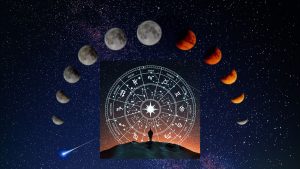
Astrologically, this Chandra Grahan occurs in the Leo (Simha) Rashi and the Purva Phalguni Nakshatra. Vedic astrology suggests that eclipses are periods of intense energy.
Individuals belonging to the Leo sign are advised to practice meditation and avoid making major financial decisions during the eclipse period. Traditionally, many also follow precautions for pregnant women, such as staying indoors to avoid exposure to the eclipsed rays.
Frequently Asked Questions (FAQs)
Is the Lunar Eclipse 2026 visible in India?
Yes, it is visible as a “Grastodaya” eclipse, meaning the Moon rises while the eclipse is already in progress.
What is a Blood Moon?
During a total lunar eclipse, Earth blocks direct sunlight from reaching the Moon. The only light reflected is refracted through Earth’s atmosphere, which filters out blue light and leaves a reddish hue, often called a Blood Moon.
Can we play Holi during the eclipse?
While the morning festivities of Holi are usually unaffected by the eclipse itself, many choose to finish celebrations before the peak eclipse hours or the start of the Sutak Kaal.