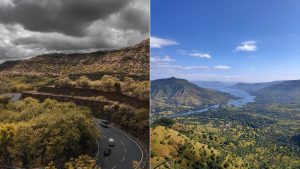
Beyond the North: 7 Must-Visit Hill Stations in Maharashtra for a Refreshing Escape
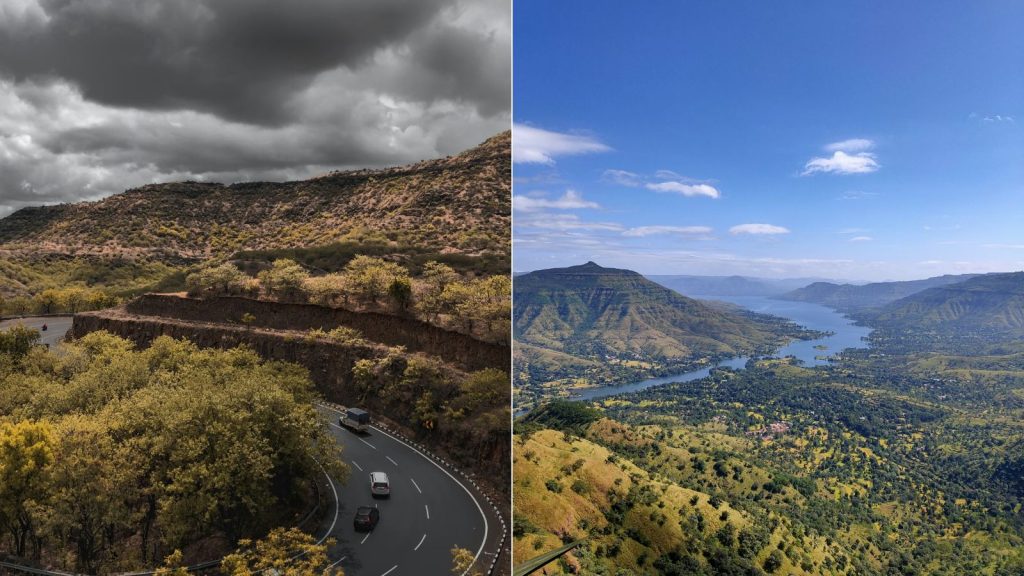

While the Himalayan giants of the North often steal the spotlight, the Western Ghats, a UNESCO World Heritage site, cradle some of India’s most breathtaking and ecologically diverse highland retreats. In Maharashtra, these hill stations are more than just “cool breaks”; they are ancient volcanic landscapes defined by basalt cliffs, colonial history, and vibrant local cultures.

Whether you are looking for an adrenaline-fueled trek or a vehicle-free sanctuary, these seven destinations offer a sophisticated alternative to the traditional tourist circuit.
1. Lonavala: The Gateway to the Sahyadris
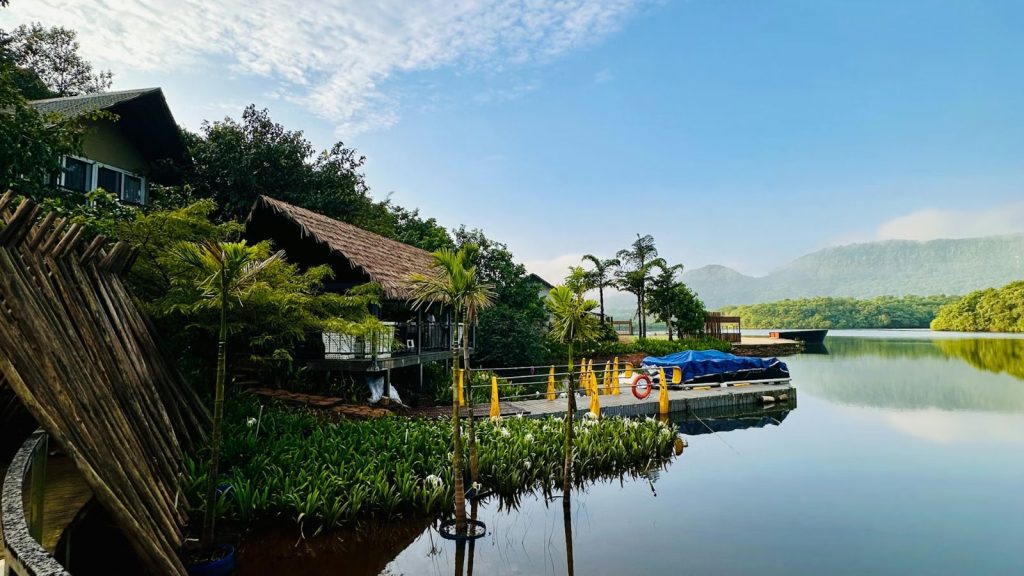
Perched at an elevation of approximately 622 meters, Lonavala is the quintessential monsoon retreat. Its geography is defined by the Indrayani River and a series of magnificent man-made lakes.
- The Depth: Beyond the snacks, Lonavala is a hub for Buddhist history. The Karla and Bhaja Caves date back to the 2nd century BC, featuring intricate rock-cut architecture and some of the best-preserved chaityagrihas (prayer halls) in India.
- Must-Experience: Stand at Tiger’s Leap during July or August to witness the “reverse waterfall” phenomenon caused by high-velocity winds.
- Local Flavor: The iconic Chikki (a hard jaggery-based sweet) isn’t just a snack; it’s a century-old industry that sustained the laborers who built the surrounding railways.
2. Khandala: The Photographer’s Ridge
Separated from Lonavala by a deep valley, Khandala offers a more rugged aesthetic. It is characterized by deep canyons and sheer rock faces that attract serious rock climbers.
- The Depth: Duke’s Nose, named after the Duke of Wellington, is a premier spot for rappelling and valley crossing. For history buffs, the Rajmachi Fort provides a glimpse into the strategic military architecture used by the Maratha Empire to guard the historical trade routes of the Bor Ghat.
- Best For: Mist-covered morning walks and long-exposure photography of the Mumbai-Pune Expressway winding through the mountains.
3. Mahabaleshwar: The Queen of Maharashtra
Once the summer capital of the Bombay Presidency, Mahabaleshwar (elev. 1,353 meters) is a sprawling plateau with a distinct British colonial imprint.
- The Depth: This is the source of the Krishna River. The ancient Mahabaleshwar Temple houses a natural spring that represents the confluence of five holy rivers. Geologically, the “points” here (like Arthur’s Seat) offer a clear view of the geographical stratification of the Deccan Trap.
- The Strawberry Economy: This region produces nearly 85% of India’s strawberries. A visit to the Mapro Garden or local farms offers an insight into the unique red soil that makes this possible.
4. Panchgani: The Educational Retreat
Just down the road from Mahabaleshwar, Panchgani is famous for its bracing air, believed to have healing properties, which led to it becoming a hub for prestigious boarding schools.
- The Depth: Table Land, the second-longest mountain plateau in Asia, is a massive expanse of lateral volcanic rock. It offers a 360-degree view of the Rajpuri Caves and the Devil’s Kitchen, a site associated with the Pandavas from the Mahabharata.
- Pro Tip: Visit Sydney Point at dusk to see the shimmering lights of the Dhom Dam in the valley below.
5. Matheran: An Eco-Sensitive Time Capsule
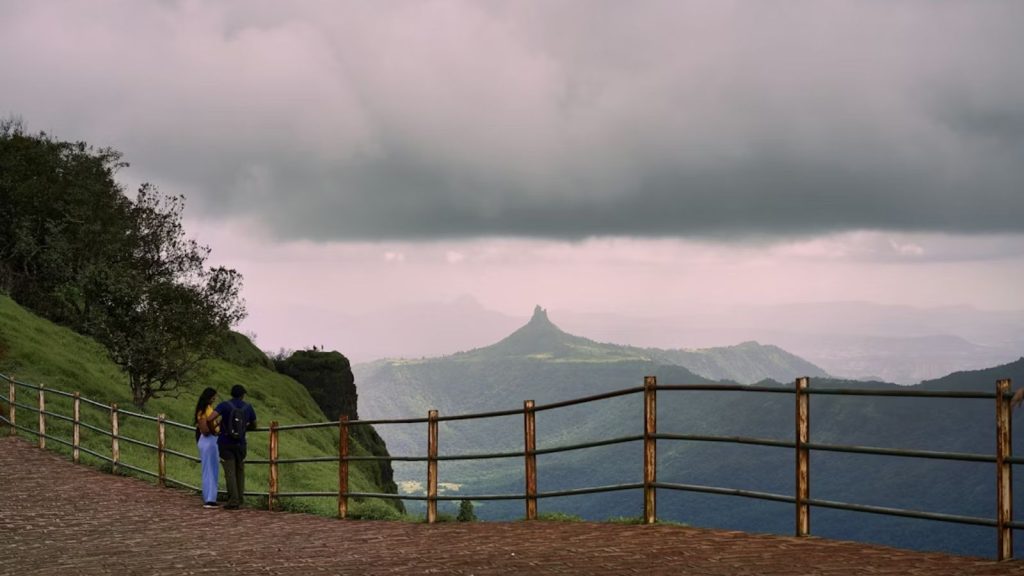
Matheran remains the most unique hill station in India due to its status as an Eco-Sensitive Zone. By banning internal combustion engines, the town has preserved its red-laterite paths and forest canopy.
- The Depth: To reach the top, one must take the Neral-Matheran Toy Train, a narrow-gauge engineering marvel operating since 1907. The absence of noise pollution allows for a rare “auditory” experience of nature at spots like Echo Point.
- Wildlife: Keep an eye out for the Malabar Giant Squirrel and a vast array of medicinal plants tucked away in the dense evergreen forests.
6. Igatpuri: The Zenith of Serenity
Located in the Nashik district, Igatpuri is surrounded by the highest peaks of the Sahyadri range, including Kalsubai.
- The Depth: It is the global headquarters for Vipassana meditation. The Golden Pagoda of the Dhammagiri Academy is a striking architectural landmark that draws seekers from across the globe.
- Adventure: For trekkers, the Tringalwadi Fort offers a challenging ascent that rewards you with views of the Thal Ghat, a crucial mountain pass connecting the coast to the interior.
7. Amboli: The “Cherrapunji of Maharashtra”
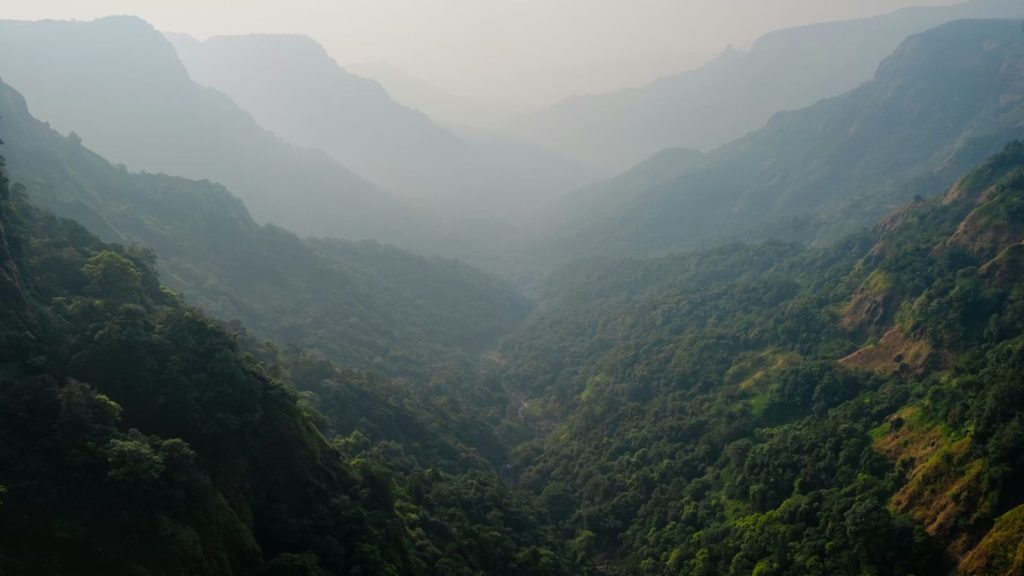
Amboli is the last hill station before the Karnataka border and is arguably the most pristine. Because it receives incredibly high rainfall, it is a haven for herpetologists and botanists.
- The Depth: The region is a biodiversity hotspot, home to rare amphibians like the Malabar Gliding Frog. The Amboli Waterfall becomes a thunderous curtain of water in the monsoon, while the nearby Hiranyakeshi Temple marks the scenic origin of a river inside a cave.
- Vibe: Untouched, quiet, and deeply green. It is the perfect choice for those who want to disappear into the clouds.

Jayant Mahajan works where Management, technology, and sustainability meet, usually right before things get complicated. With industry experience in business management and digital transformation, he brings real-world messiness into the classroom (on purpose). As an educator, he designs future-ready curricula around data thinking, governance, and ethics, because technology without judgment scales mistakes faster. Through his Change Before Climate Change mission, Jayant helps institutions act early by fixing skills and incentives, so climate action becomes good management, not emergency management. Bridging policy, practice, and purpose, one syllabus at a time.