Pawana Dam Reaches 95% Capacity; Water Discharge Begins at 800 Cusecs Today
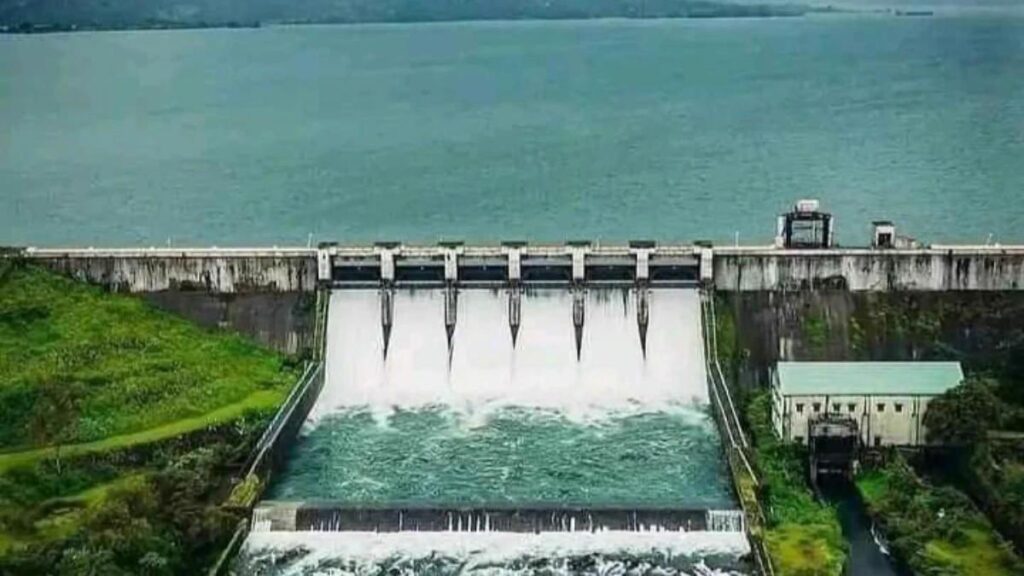
File Photo

PUNE/PIMPRI-CHINCHWAD: Water discharge from the Pawana Dam was started at 9:00 AM today following a rapid rise in storage levels driven by continuous rainfall in the catchment area. The dam’s water level has reached 94.98 percent capacity, securing the city’s drinking water needs for the entire coming year.

Initial release through the spillway gates started at 800 cusecs. Depending on inflow from ongoing rains, officials plan to step up discharge incrementally, reaching up to 5,000 cusecs in phased stages.
The district administration issued an urgent advisory to residents living along the Pavana River bank:
“Citizens living near the riverbed should maintain strict vigilance, avoid stepping into moving water, and move domestic animals to safer locations. Please follow all official directives issued by local disaster management authorities.”
Relief for Residents After Initial Lull
Monsoon activity began across the dam catchment area on July 1, followed by a brief dry patch that slowed initial storage progression. Heavy downpours resumed on Sunday, triggering a substantial inflow that pushed the reservoir past the 95% mark.
While the high storage eliminates immediate municipal water scarcity concerns for Pimpri-Chinchwad and surrounding rural pockets, flood watch protocols remain active along vulnerable downstream zones.
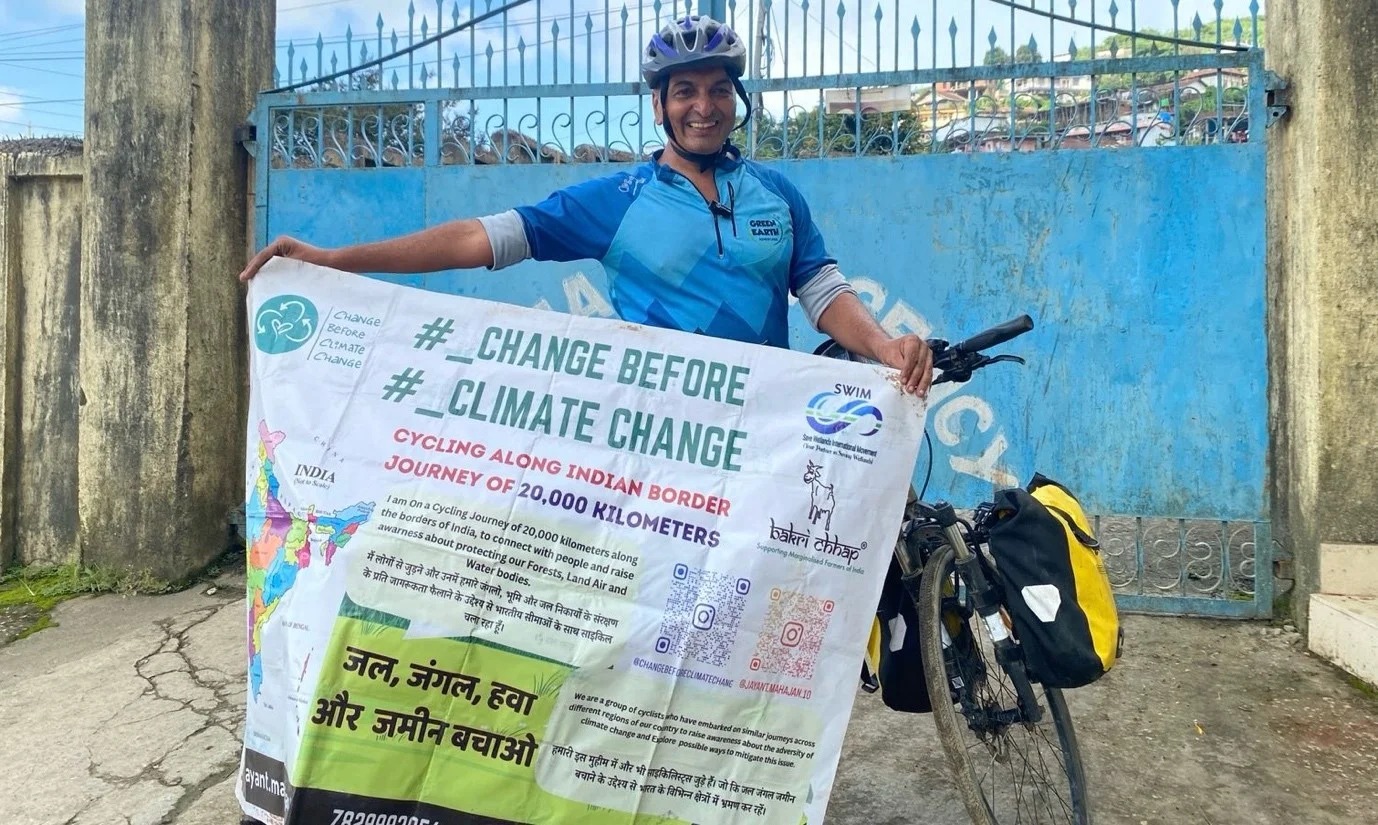
Jayant Mahajan is a writer and contributor at PuneNow, covering the intersection of technology, climate action, and urban governance across Pune. With an extensive background in business management, digital transformation, and academia, Jayant brings real-world insight to local sustainability issues, from civic infrastructure to smart city data ethics. As an educator and founder of the Change Before Climate Change mission, he focuses on how Pune’s institutions and businesses can build future-ready, sustainable systems. Through his columns, Jayant bridges policy, technology, and practical action to help Punekars navigate a rapidly changing urban climate.