7 Easly Meals You Can Cook in an Electric Kettle While Living in Hostel or Traveling
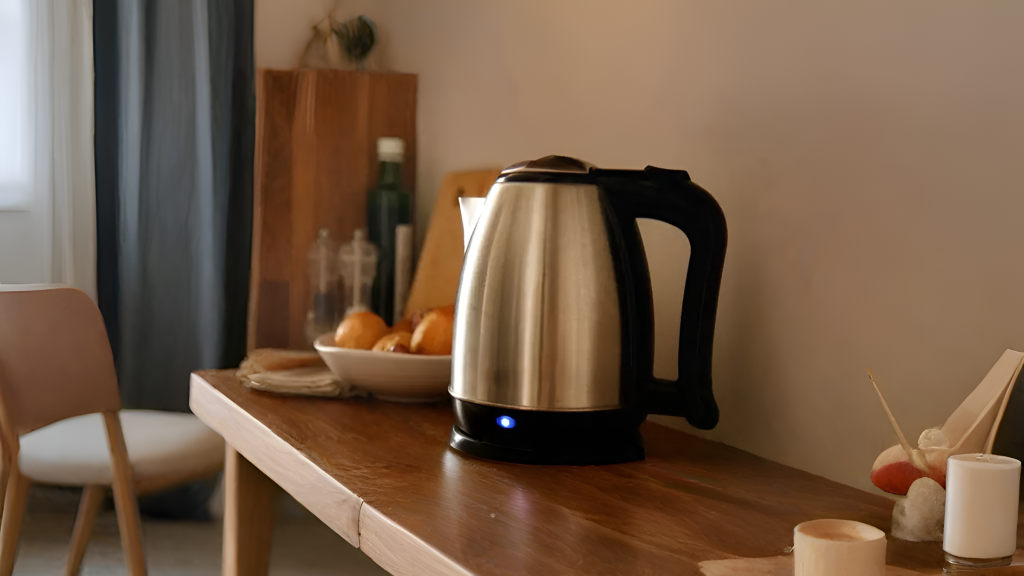

In the high-pressure environment of a university hostel or the transient lifestyle of a solo traveler, the kitchen is often a luxury that remains out of reach. For decades, the electric kettle was relegated to a single, repetitive task: boiling water for a quick cup of tea or coffee. However, a new culinary movement is simmering beneath the surface. From the cramped dorm rooms of Pune to budget hotel suites across the globe, the electric kettle is being reclaimed as a versatile, essential cooking tool.

As inflation impacts food budgets and the demand for healthy, home-cooked alternatives to expensive takeout rises, people are discovering that this modest appliance can produce far more than just a hot beverage. With a bit of ingenuity and a few shelf-stable ingredients, the electric kettle is proving to be a survivalist’s best friend, capable of whipping up everything from fiber-rich breakfasts to satisfying dinners and even desserts.
The Rise of “Kettle Cuisine”
The shift toward minimalist cooking isn’t just about convenience; it’s about control. When you are living out of a suitcase or a shared room, the frustration of hunger is often compounded by the lack of equipment. You need something warm, filling, and real, but you only have a single power outlet.
This is where “Kettle Cuisine” steps in. It utilizes the principle of residual heat and steam to cook delicate grains, rehydrate dried vegetables, and temper spices. It is a method of cooking that leans on instinct rather than strict recipes, allowing the user to adjust flavors based on what is tucked away in their travel bag.
1. The Gourmet Upgrade: Instant Noodles
Instant noodles are the quintessential hostel staple, but the modern traveler is no longer satisfied with the basic “add water and wait” method. By utilizing the kettle’s boiling power effectively, this emergency food can be transformed into a balanced meal.
The secret lies in the “upgrade.” Instead of just using the provided seasoning packet, resourceful cooks are now adding chopped onions, fresh chilies, or even frozen peas into their heat-safe bowls before pouring the boiling water. The residual heat is sufficient to soften these additions, creating a dish with texture and depth. For those with access to a small jar of chili oil or extra garam masala, the flavor profile shifts from a salty snack to a rich, aromatic bowl of comfort.
2. The Power Breakfast: Oatmeal Porridge
Few foods adapt to a minimalist lifestyle as effortlessly as oats. They are inexpensive, easy to store, and nutritionally dense. In a world where many resort to sugary cereals, the kettle-cooked porridge offers a warm, wholesome alternative.
Preparation is a lesson in simplicity: rolled oats are placed in a bowl and covered with boiling water. As the oats absorb the liquid, they release starches that create a creamy, thick texture, all without the need for a stovetop. The versatility of this dish is its greatest strength. A sweet version can be achieved with honey, milk powder, and sliced bananas, while a savory twist involving salt, black pepper, and a small knob of butter can satisfy those craving a heartier start to the day.
3. The Traveler’s Relief: Instant Soup
For a traveler fighting off a cold in an unfamiliar city or a student pulling an all-night study session, instant soup is less about nutrition and more about relief. The rising steam from a mug carries a familiar kitchen warmth that briefly dissolves the fatigue of travel.
To make this feel like a “proper” meal rather than a liquid snack, many are now “bulking” their soups. By adding crushed crackers, leftover rice, or even a handful of sweet corn to the mug before adding the hot water, you create a thick, chowder-like consistency that is significantly more satiating.
4. The Global Grain: Couscous Bowls
Perhaps the most “magical” transformation in kettle cooking involves couscous. Unlike rice, which requires sustained boiling, couscous only needs to be “steeped.” This makes it perhaps the most travel-friendly grain in existence.
By pouring boiling water over the grains and covering the bowl for five minutes, the couscous swells into a light, fluffy base. It is a blank canvas for creativity. Travelers often mix in canned chickpeas, raisins, or even instant pickles to create a Mediterranean-style salad that tastes remarkably sophisticated, despite being prepared on a bedside table.
5. A Taste of Home: Poha-Style Instant Mix
For those in India, Poha is a beloved breakfast, traditionally requiring a pan and a tempering of mustard seeds and curry leaves. However, the “Kettle Poha” has become a viral sensation among students.
Using thin flattened rice (poha), one can simply rinse the grains with hot water to soften them. Once drained, spices like chaat masala, chili powder, and a pinch of sugar are stirred in. The addition of crunchy sev, peanuts, or even lightly sautéed paneer, briefly tossed in a bit of ghee at the bottom of the kettle, brings the dish remarkably close to the traditional version, providing a much-needed taste of home in a distant city.
6. The Filling Dinner: Instant Masala Rice
While cooking raw rice in a kettle can be tricky and potentially damage the appliance, the advent of “instant rice” and pre-cooked packets has changed the game. These packets are designed to be rehydrated or heated.
By placing the rice in a bowl and using just enough boiling water to loosen the grains, one can create a steaming hot base. Folding in a ready-made curry paste, a dollop of butter, or even a leftover pickle can turn these grains into a Masala Rice dish that provides the body with the energy it needs when a full kitchen is miles away.
7. The Late-Night Reward: The Kettle Mug Cake
Perhaps the most surprising entry in the world of kettle cooking is dessert. While we traditionally associate cakes with ovens, the “mug cake” phenomenon has successfully migrated to the kettle.
By mixing flour, cocoa powder, sugar, and milk powder into a thick batter in a heat-safe container, and then “steaming” the container using the kettle’s heat or hot water bath, one can achieve a soft, sponge-like sweet snack. It may not have the elegance of a pastry shop, but when the midnight cravings hit in a quiet hostel room, it is a triumph of culinary improvisation.
The Philosophy of the Kettle
The endurance of these methods highlights a larger truth about human nature. As seen in the stories of conservationists who transform barren landscapes with simple tools and patience, environmental and personal “repair” often begins with what we have on hand.
Whether it is a farmer in Rajasthan turning a desert green with a single pot of water or a student in Pune making a nutritious meal with a single kettle, the lesson remains the same: productivity and comfort are not dependent on elaborate infrastructure. They are the result of stubborn belief and the willingness to show up with what you have.
The electric kettle, once a symbol of a quick caffeine fix, has now been elevated. It is a tool of independence, a bridge to home-cooked flavors, and a reminder that even in the most restricted environments, creativity can, and will, find a way to boil over.