Himalayan Superfood: FSSAI Shares Recipe for ‘Mandua Ki Roti’ for a Healthier India
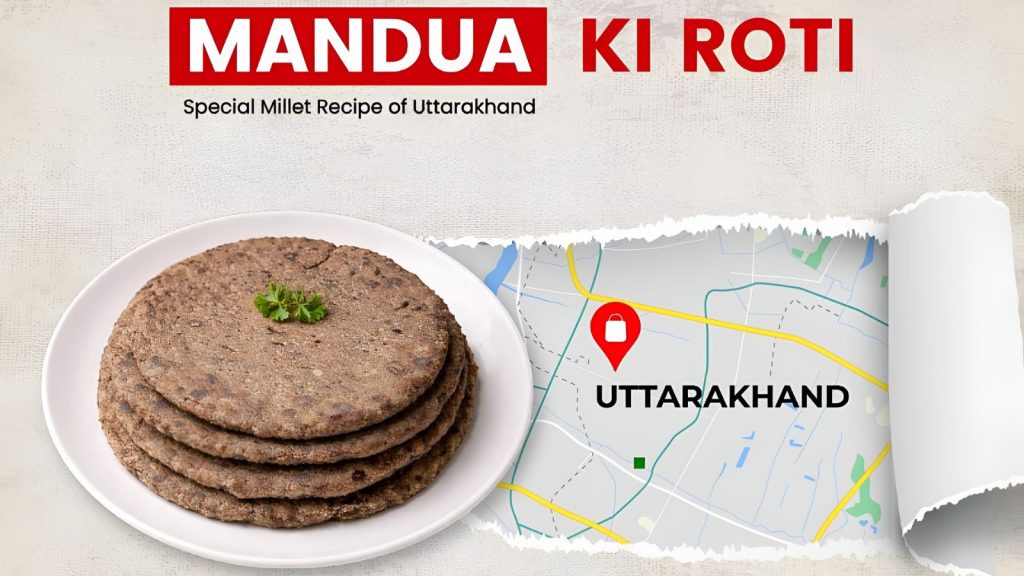

In an era where processed grains have dominated our plates, the Food Safety and Standards Authority of India (FSSAI) is leading a movement to bring back the “Glory of Millets.” Under the ‘Eat Right India’ initiative, the health ministry is highlighting Mandua Ki Roti, a traditional staple from Uttarakhand, as a nutritional powerhouse for the modern lifestyle.

Mandua, also known as Finger Millet or Ragi, has been a source of strength for the people of the Himalayas for centuries. Today, it stands as a sustainable, gluten-friendly alternative to refined flours.
The Health Benefits: Why Mandua?
The slogan “Sahi Bhojan, Behtar Jeevan” (Right Food, Better Life) perfectly encapsulates the profile of this millet. Mandua is not just a grain; it is a dense source of essential nutrients:
- Rich in Calcium: Finger millet contains significantly more calcium than other cereals, making it vital for bone health and preventing osteoporosis.
- High Dietary Fiber: The high fiber content aids digestion, prevents constipation, and helps in managing blood sugar levels by ensuring a slow release of glucose.
- Natural Iron Source: It is an excellent dietary intervention for those dealing with anemia.
- Gluten-Free & Low GI: Its low Glycemic Index (GI) makes it an ideal choice for diabetics and health-conscious individuals.
How to Make Mandua Ki Roti: The FSSAI Recipe
This recipe combines Mandua with a small portion of wheat flour to provide the necessary binding, ensuring the roti stays soft yet nutritious.
Ingredients
- Mandua (Finger Millet) Flour: 1 cup
- Wheat Flour: ¼ cup
- Salt: To taste
- Ghee/Oil: 1 tbsp (for brushing or mixing)
- Warm Water: For kneading
Step-by-Step Instructions
- Mixing: In a large mixing bowl, combine the Mandua flour, wheat flour, and a pinch of salt. Mix the dry ingredients well.
- Kneading: Gradually add water to the mixture. Knead it patiently until you achieve a stiff, smooth dough. Tip: Using lukewarm water can help make the millet dough more pliable.
- Portioning: Divide the dough into equal-sized balls.
- Rolling: Dust the workspace with dry flour. Roll out the balls into thick discs. Because millet lacks gluten, these rotis are traditionally kept slightly thicker than standard wheat rotis.
- Cooking: Heat a tawa (griddle) over medium heat. Once hot, place the roti on it. Cook both sides until brown spots appear and the edges are well-done.
- Finishing: Apply a small amount of ghee or oil while the roti is still hot to keep it moist.
The Perfect Pairing
Mandua Ki Roti has an earthy, nutty flavor that pairs beautifully with traditional Indian sides. FSSAI suggests serving it with:
- Local Chutneys: Spicy tomato or hemp seed (Bhaang) chutney.
- Green Leafy Vegetables: Like Lai ka Saag or spinach.
- Lentils: A thick bowl of Dal or any spicy curry dish.
By incorporating this “Special Millet Recipe of Uttarakhand” into your weekly meal plan, you aren’t just eating a meal, you are embracing a timeless source of health and nutrition.