Pune Porsche Case: Supreme Court Grants Bail to 3 Accused; Slams Parents for ‘ATM Card’ Culture
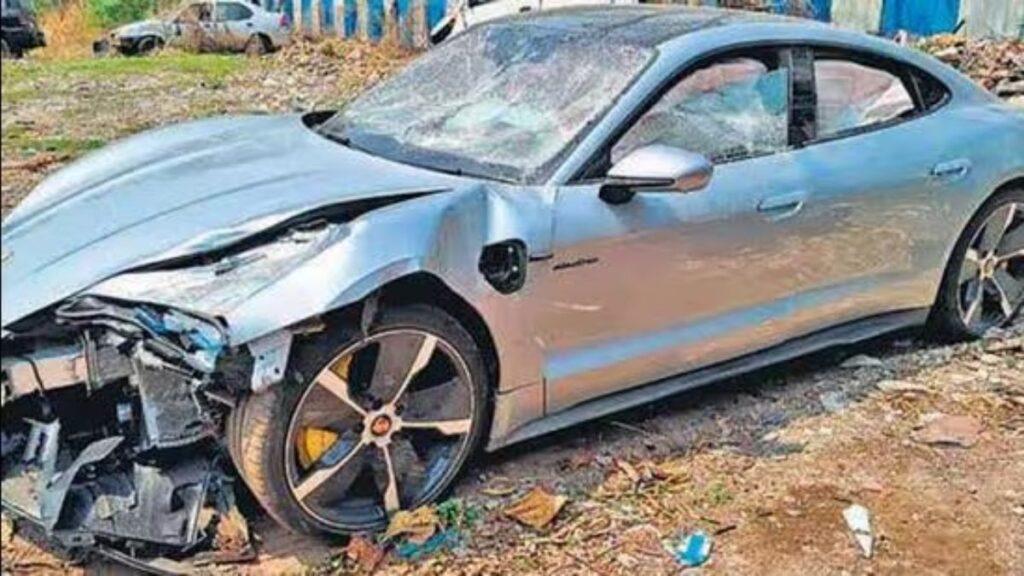

In a significant legal turn in the 2024 Kalyani Nagar tragedy, the Supreme Court has granted bail to three key accused individuals allegedly involved in the blood-sample tampering conspiracy. While ordering their release, the apex court issued a scathing indictment of modern parenting, remarking that “ATM cards and car keys” have become dangerous substitutes for parental supervision.

Supreme Court Overturns High Court Order
A bench comprising Justices BV Nagarathna and Ujjal Bhuyan on Monday ordered the release of Aditya Avinash Sood, Ashish Satish Mittal, and Amar Santhosh Gaikwad. The trio had approached the top court after the Bombay High Court rejected their bail pleas in December 2025.
The court noted that the accused had already spent nearly 18 months in incarceration. The bench observed that “punishment cannot precede conviction,” emphasizing that the continued detention of the individuals, who are accused of helping two juveniles not directly driving the vehicle, would cause “undue prejudice.”
Who Are the Accused Granted Bail?
The three individuals were central to the investigation into the alleged manipulation of evidence at Sassoon General Hospital following the crash on May 19, 2024:
- Aditya Avinash Sood: Businessman and father of one of the minor occupants seated in the rear of the Porsche.
- Ashish Satish Mittal: A Pune-based businessman and friend of the juvenile’s family, accused of providing his own blood sample to replace that of a minor occupant.
- Amar Santhosh Gaikwad: An alleged middleman accused of facilitating the bribe-led swap with hospital staff.
“Money is No Substitute for Dialogue”: SC Slams Parental Negligence
The hearing was marked by stern oral observations from Justice Nagarathna regarding the social triggers behind such tragedies. The court highlighted a recurring pattern of substance abuse and high-speed driving among minors, facilitated by wealthy parents.
“Parents are responsible for handing over the car keys to children and giving them sufficient funds to have a gala time. Because parents have no time to talk to their children, they give them an ATM card and a mobile phone as a substitute,” the bench remarked.
The court further noted that the “mechanization” used to subvert the law, referring to the blood-swapping conspiracy, was a classic case of attempting to undermine the criminal justice system.
The Conspiracy and Legal Hurdles
The prosecution, represented by the State of Maharashtra, vehemently opposed the bail. Senior Advocate Gopal Sankaranarayanan, appearing for the victims’ families, argued that the accused used their financial muscle to manipulate medical evidence at a government hospital.
The defense, however, argued that since the main juvenile driver faces a maximum sentence of only three years under the Juvenile Justice Act, keeping the conspirators in jail for 18 months without trial was disproportionate.
Strict Conditions for Release
While granting bail, the Supreme Court made it clear that the accused must not interfere with the ongoing trial.
- Trial Court Conditions: The release is subject to specific conditions to be set by the trial court in Pune.
- No Witness Contact: The accused are strictly prohibited from contacting any witnesses, including hospital staff and domestic help.
- Cancellation Clause: Any infraction or attempt to misuse liberty will lead to the immediate cancellation of bail.
The Pune Porsche case remains a flashpoint in the national debate over road safety, juvenile law, and the accountability of the ultra-rich.
For more live updates on Pune, visit our Pune News Today page.