India’s Greatest Chor Bazaars and Flea Markets: From Mumbai’s Antique Alleys to Srinagar’s Floating Wonders (2026 Guide)


They say if you lose something in a crowded Indian city, you can buy it back the next morning at the local Chor Bazaar, often for a fraction of the original price.

India’s legendary “thief markets” and historic flea markets are more than just shopping destinations; they are living, breathing museums of the country’s chaotic yet charismatic trade history. As we move through 2026, these markets have evolved. Some have embraced the digital age with UPI-toting vendors, while others have faced strict new regulations, yet their soul remains untouched. For the seasoned traveler or the budget-conscious local, these markets offer a sensory overload that no modern mall can replicate.
The Legends of the ‘Thief Markets’: Mumbai, Delhi, and Meerut
1. Mumbai Chor Bazaar: The Mutton Street Time Machine
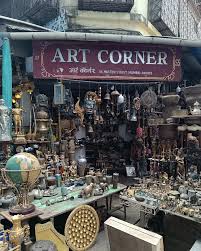
Located in the heart of South Mumbai near Bhendi Bazaar, the Mumbai Chor Bazaar remains the undisputed king of Indian flea markets. Originally called “Shor Bazaar” (Noisy Market) by the locals, the British mispronounced it as “Chor,” and the name stuck, along with the legends.
Today, the market is a treasure trove for collectors. If you walk down Mutton Street on a Tuesday afternoon, you’ll find everything from 19th-century Victorian furniture to hand-painted vintage Bollywood posters.
- The Friday Secret: While the main market is closed on Fridays, the legendary Dedh Gully comes alive at 4:00 AM. This is where you find the “secret” shoe market, offering branded export-surplus and “restored” sneakers at unbelievable prices.
- Editor’s Tip: Look for shops like Camera House for rare film gear or A-One Corner for authentic movie memorabilia.
2. Delhi’s Sunday Thrift Hub: The Red Fort’s Shadow
In the national capital, the concept of a Chor Bazaar has shifted from the permanent stalls of the past to a massive, sprawling Sunday Thrift Market near the Red Fort and Jama Masjid.
By 6:00 AM every Sunday, the pavements of Meena Bazaar are covered with sheets displaying mountain-loads of branded “export surplus” clothing, trekking boots, and electronics. In 2026, this market has become a favorite for college students and Gen-Z “thrifters” looking for sustainable fashion at throwaway prices.
- Safety Update: Due to increased security around the Red Fort, the market is more organized than in previous years, but pickpockets remain active in the dense crowds.
3. Soti Ganj, Meerut
Historically known as the “automobile butcher shop” of India, Soti Ganj in Meerut has undergone a massive crackdown. By 2026, the infamous trade of dismantled stolen vehicles has largely been replaced. Intense police scrutiny has forced many dealers to pivot into legitimate scrap metal business or move their operations to the outskirts of Delhi. It remains a fascinating study in how India’s “informal” markets are being formalized.
Heritage Hubs: Chandni Chowk, Burrabazar, and Laad Bazaar
4. Chandni Chowk: The Beating Heart of Old Delhi
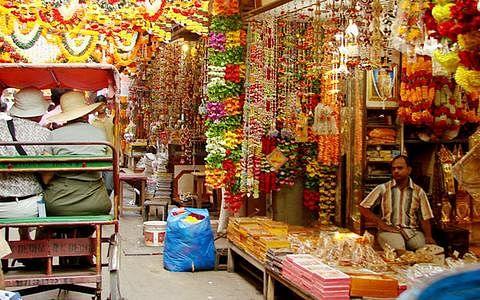
While often categorized as a wholesale market, Chandni Chowk houses micro-markets that act as specialized flea markets. From the silver splendor of Dariba Kalan to the pungent, colorful alleys of Khari Baoli (Asia’s largest spice market), this area is a masterclass in bulk trading. The 2026 pedestrianization of the main stretch has made it easier to navigate, though the real “finds” still hide in the narrow katras.
5. Burrabazar and Chandni Market, Kolkata
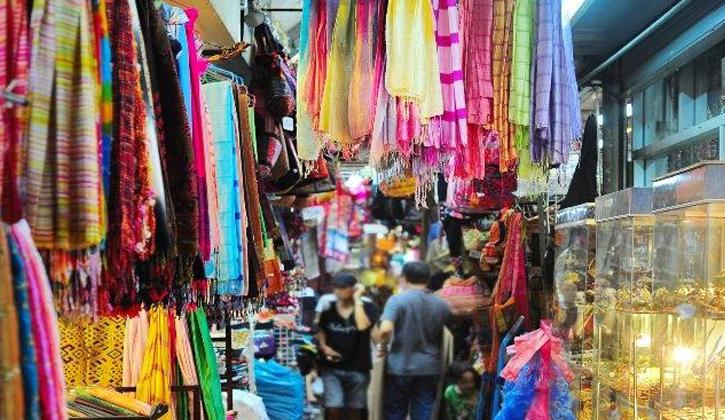
Kolkata’s commercial soul resides in Burrabazar. While it is a primary hub for textiles and stationery, the nearby Chandni Market (Bowbazar) serves as the city’s tech-focused “Chor Bazaar.” In 2026, it is the go-to destination for high-end second-hand electronics, laptop repairs, and rare spare parts that even official service centers don’t stock.
6. Laad Bazaar & Jummerat Bazaar, Hyderabad
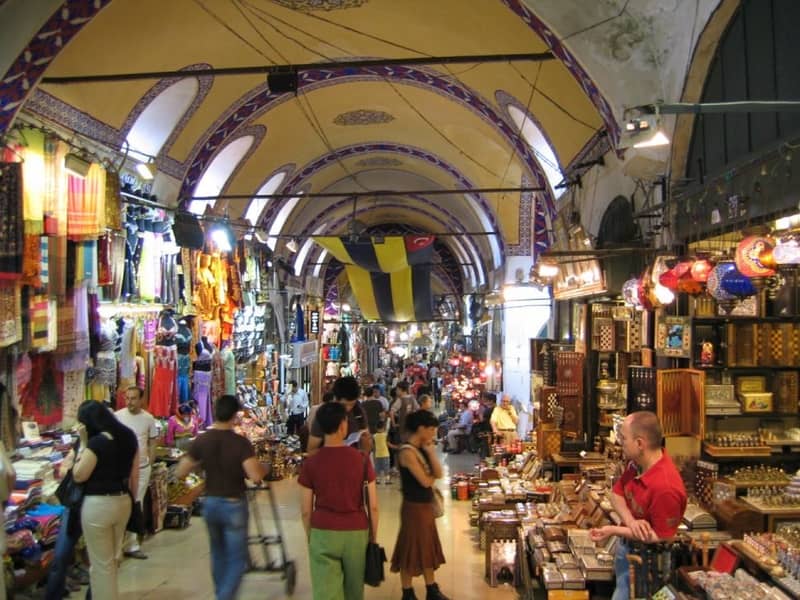
The shimmering Laad Bazaar, located in the shadow of the Charminar, is world-famous for its lacquer bangles and pearls. However, for those seeking the grit of a traditional thief market, the Jummerat Bazaar (held every Thursday) is where the real “Chor” action happens. From vintage ironware to antique kitchen utensils, it offers a glimpse into Hyderabad’s domestic history.
7. The Floating Spectacle: Srinagar’s Dal Lake Market
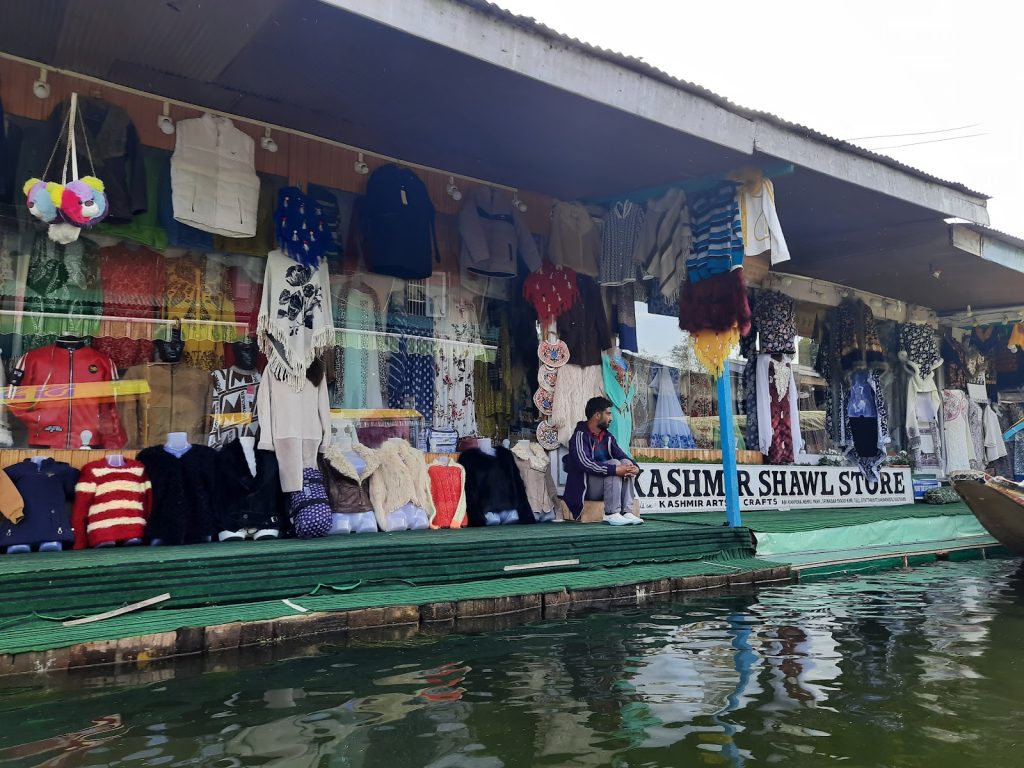
Perhaps the most beautiful market in the world, the Srinagar Floating Market is a stark contrast to the dusty alleys of Mumbai or Delhi. Held at the crack of dawn on Dal Lake, this is a purely water-borne economy.
- The 2026 Experience: As the sun rises over the Zabarwan mountains, hundreds of shikaras congregate to trade fresh produce grown on “floating gardens.” While it began as a wholesale vegetable trade, it now hosts “mobile” vendors selling saffron, walnuts, and intricate Kashmiri shawls to tourists.
- Note: You must be on the water by 5:15 AM to witness the peak of the barter trade.
The Pro-Shopper’s Playbook: Tips for 2026
- The Rule of 50%: In most of these markets, the first price quoted is a “tourist price.” Start your counter-offer at 40-50% and meet in the middle.
- Test Before You Invest: For electronics in Delhi or Kolkata, never buy without seeing the device power on. If it’s a “sealed” box that seems too cheap, it likely contains a brick or a dummy unit.
- Digital Payments vs. Cash: While UPI (GPay/PhonePe) is ubiquitous in 2026 even among street vendors, keep small cash denominations (₹100/₹200) for the best bargaining leverage.
- Dress Down: To get the best prices, avoid wearing expensive watches or designer clothing. Blending in is the key to a better deal.
Frequently Asked Questions (FAQ)
1. Is it safe to visit a Chor Bazaar in India? Generally, yes, but vigilance is key. Most famous Chor Bazaars like those in Mumbai and Delhi are safe during daylight hours. However, because they are extremely crowded, pickpocketing is common. In 2026, it is highly recommended to keep your phone and wallet in a front pocket or a cross-body bag and avoid wearing expensive jewelry.
2. Are the products sold in these markets actually stolen? While the name “Chor Bazaar” translates to “Thieves’ Market,” the majority of goods today are second-hand, antique, or “export surplus” (branded items with minor defects). While some items may have questionable origins, most vendors are legitimate second-hand traders who have been in the business for generations.
3. What is the best time to visit Mumbai’s Chor Bazaar? The main market on Mutton Street is open from 11:00 AM to 7:30 PM, Saturday through Thursday (it is closed on Fridays). However, if you are looking for shoes and sneakers, the “secret” Dedh Gully market operates only on Friday mornings from 4:00 AM to 8:00 AM.
4. How do I get to the Delhi Chor Bazaar (Sunday Thrift Market)? The easiest way to reach the market is via the Delhi Metro. Take the Violet Line and exit at Jama Masjid Metro Station (Gate No. 3). From there, it is a short 5-10 minute walk toward the Red Fort/Meena Bazaar area.
5. How much should I bargain at an Indian flea market? Bargaining is expected. A good rule of thumb for 2026 is to start your counter-offer at 40-50% of the initial quoted price. If the seller doesn’t budge, walking away often results in a lower “final” price being called out to you.
6. Can I find genuine iPhones or electronics at these markets? While you will see many high-end gadgets, be extremely cautious. Many are refurbished, “first copies” (high-quality fakes), or have internal parts replaced. In 2026, always power on and thoroughly test any electronic device before paying. If the price for a latest-model iPhone seems too good to be true, it almost certainly is.
7. Is the Srinagar Floating Market open every day? Yes, the floating vegetable market on Dal Lake operates daily, but it is strictly a dawn market. To see the authentic trade, you must be on a shikara by 5:00 AM. By 7:30 AM, most of the vegetable traders have left, and the area transitions into a tourist-centric souvenir market.
Conclusion
India’s famous bazaars are transitioning. From the “smart” alleys of Mumbai to the eco-conscious shikaras of Srinagar, these markets represent the resilience of Indian micro-entrepreneurship. Whether you are hunting for a 1950s Rolex, a rare first-edition book, or simply a kilo of the world’s freshest spices, these markets offer an experience that is authentically, undeniably Indian.