Mumbai Mangroves: 45,000 Trees That Silently Protect the City Everyday Risk Loosing Battle to Development
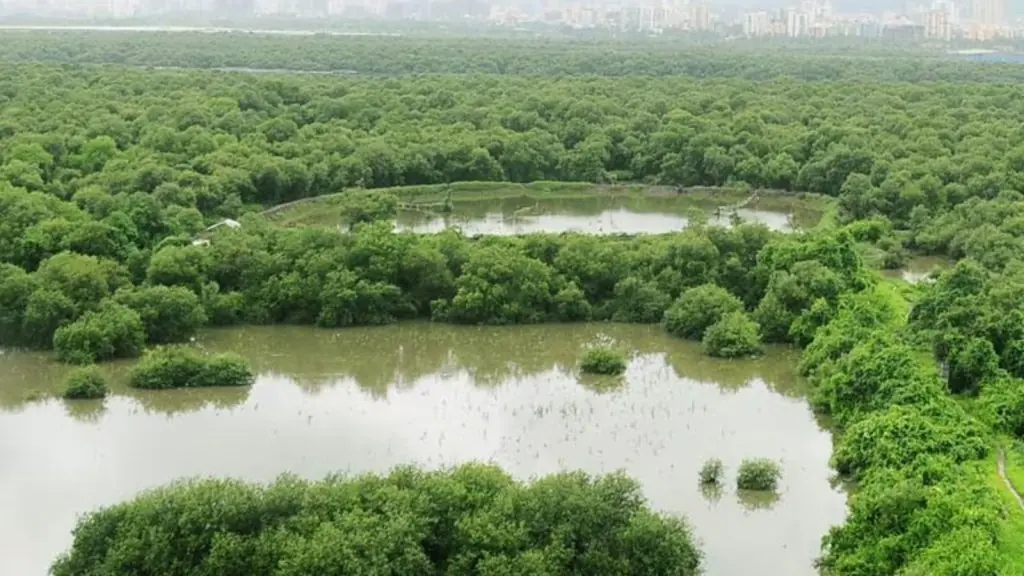

As the Arabian Sea beats against the concrete edges of India’s financial capital, a silent, emerald army is being forced into a retreat that could leave millions of Mumbaikars vulnerable to the next great deluge.

MUMBAI – The battle for Mumbai’s ecological soul has reached a fever pitch this January 2026. Following the Bombay High Court’s landmark, yet controversial, clearance for the felling of 45,675 mangroves to make way for the Versova-Dahisar Coastal Road, the Union Ministry of Environment, Forest and Climate Change (MoEFCC) has officially intervened. Demanding an “Action Taken Report” from the Maharashtra State Wetland Authority, the Centre’s move highlights a growing national anxiety: can Mumbai survive the destruction of the very natural flood barriers that keep it above water?
The 45,675-Tree Question: Infrastructure vs. Survival
The recent legal clearance for the Versova–Bhayander leg of the Coastal Road project has ignited a firestorm of protest. While the Brihanmumbai Municipal Corporation (BMC) argues that the project is a “public necessity” to de-congest the city’s choked western suburbs, environmentalists warn that the price of speed might be a permanent state of flooding.
The Bombay High Court, while allowing the project, emphasized that it was a “tough balance” between development and environment. However, for residents of Versova, Dahisar, and Kandivali, the “balance” feels one-sided. The removal of nearly 46,000 trees represents one of the largest single-project mangrove clearances in the city’s history, surpassing even the initial phases of the southern coastal road.
How Mumbai Mangroves Protect the City Everyday
To understand the threat, one must understand the daily, invisible labor of the mangrove ecosystem. These are not merely trees; they are a complex biological infrastructure that performs three critical roles for Mumbai:
1. The Ultimate Flood Shield
Mumbai is a city built on reclaimed land, naturally prone to waterlogging. Mangroves act as a massive biological sponge. Their intricate, tangled root systems (pneumatophores) slow down the velocity of incoming tidal surges and absorb excess rainwater. During the 2005 Mithi River floods, areas with intact mangrove cover saw significantly less devastation than those where the “green wall” had been breached.
2. Carbon Sequestration and the “Blue Carbon” Edge
In the race against climate change, Mumbai’s mangroves are the city’s most efficient weapon. Research shows that these coastal forests can sequester up to four times more carbon than terrestrial tropical rainforests. By locking carbon into the soil for centuries, they mitigate the very “Urban Heat Island” effect that is currently causing Mumbai’s summer temperatures to spike.
3. A Livelihood for the Kolis
For the indigenous Koli community, mangroves are the nurseries of the sea. They provide breeding grounds for fish, crabs, and prawns. The destruction of these wetlands isn’t just an environmental loss; it is an economic blow to the city’s oldest inhabitants.
Why are Mumbai’s Mangroves Under Constant Threat?
Despite being protected under Coastal Regulation Zone (CRZ) norms and various High Court orders, the “Kidneys of Mumbai” are failing due to three primary pressures:
- Linear Infrastructure Projects: Roads, bridges, and metro lines are often routed through mangroves because these areas are seen as “vacant” or “cheaper” than land-based acquisitions.
- The Debris Menace: Illegal dumping of construction and demolition (C&D) waste is a slow poison. By choking the tidal flow with debris, land mafias “kill” the mangroves, eventually paving the way for illegal encroachments once the land is dry.
- Pollution and Plastic: The 2026 reports show that plastic entanglement in mangrove roots is at an all-time high, preventing the natural aeration of the soil and leading to “localized die-offs.”
The Compensatory Afforestation Debate: Palghar vs. Mumbai
One of the most contentious points of the January 2026 ruling is the BMC’s plan for compensatory afforestation. To make up for the 45,675 trees lost, the city plans to plant 1.37 lakh saplings in Palghar and Chandrapur districts.
“Planting a tree in Palghar does not protect a citizen in Versova from a storm surge,” says a lead campaigner from the Mangrove Mitras movement. The scientific consensus is shifting toward “in-situ” (on-site) restoration. When mangroves are removed from a specific creek, the hydrology of that entire area changes. Distant plantations, while good for the overall carbon footprint, offer zero protection to the local urban micro-climate.
What is Being Done? The Rise of Citizen Science
While the legal battles continue, there are signs of hope in the form of technological and community-led interventions:
The New Digital Watchdog
Following the High Court’s order, a new public monitoring website is set to launch. This platform will host geo-tagged photos and survival data of all compensatory plantations. For the first time, Mumbaikars will be able to verify if the trees promised by the government actually exist and are thriving.
The Mangrove Cell’s Modernized Response
Maharashtra remains the only state in India with a dedicated Mangrove Cell. In 2026, the cell has ramped up the use of satellite imagery and drones to detect illegal dumping in real-time. The “Mangrove Foundation” has also increased its corpus to nearly $70 million, focusing on eco-tourism that incentivizes locals to protect the forests.
ALSO READ | When the Sea Moves Inward
Can We Still Save Mumbai’s Coast?
Expert recommendations for the future of Mumbai’s wetlands focus on three pillars:
- Strict “No-Go” Zones: Identifying core mangrove patches that cannot be touched, regardless of the infrastructure project.
- Hydrological Restoration: Instead of just planting saplings, the focus must shift to clearing blocked culverts to ensure tidal water reaches dying mangrove patches.
- Urban Integration: Designing infrastructure like the Coastal Road on stilts rather than embankments to allow the sea to flow naturally beneath the structures.
Conclusion As Mumbai eyes its future as a global mega-city, it cannot afford to ignore its prehistoric defenders. The 45,675 mangroves currently on the chopping block are not just trees, they are the difference between a resilient Mumbai and a city that eventually sinks under the weight of its own development.
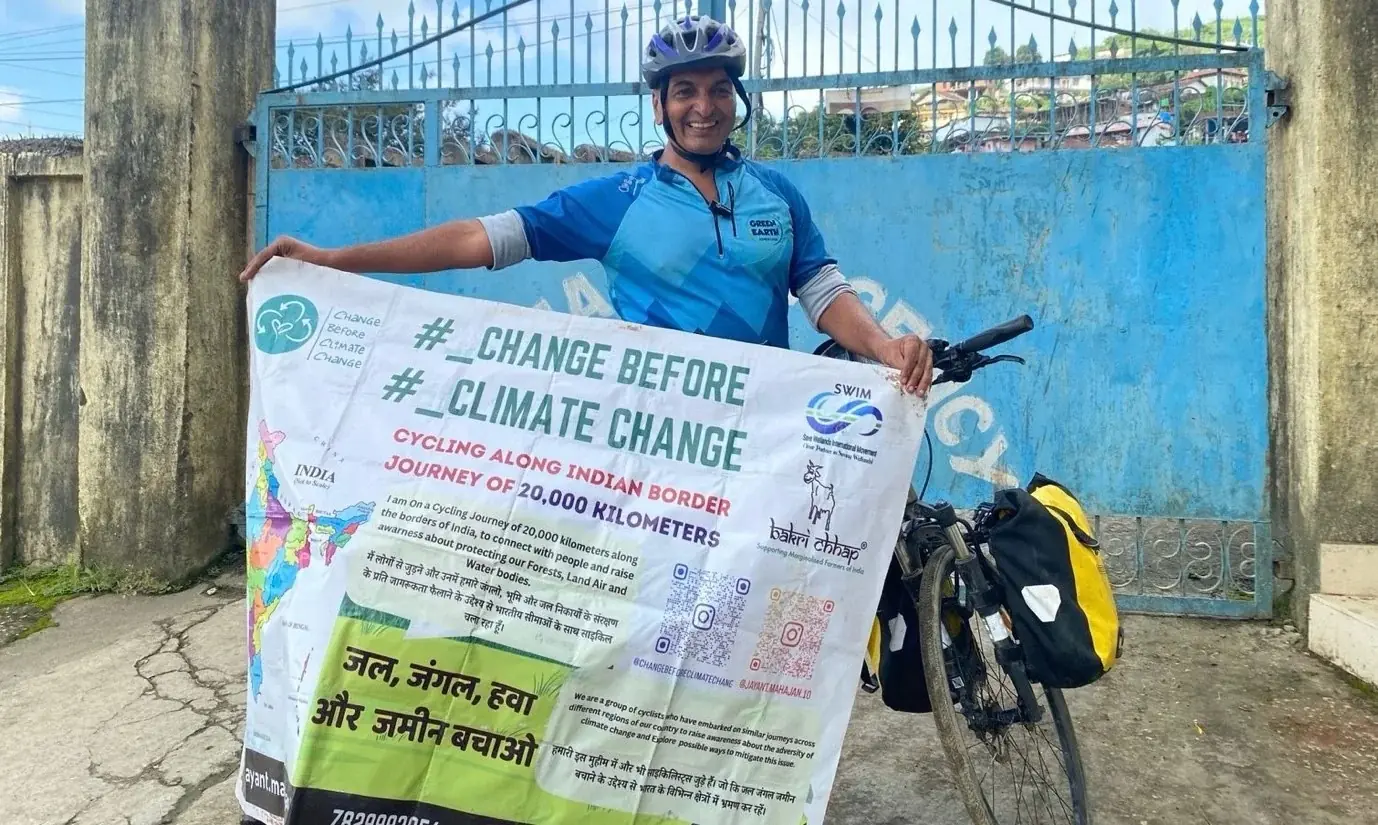
Jayant Mahajan is a writer and contributor at PuneNow, covering the intersection of technology, climate action, and urban governance across Pune. With an extensive background in business management, digital transformation, and academia, Jayant brings real-world insight to local sustainability issues, from civic infrastructure to smart city data ethics. As an educator and founder of the Change Before Climate Change mission, he focuses on how Pune’s institutions and businesses can build future-ready, sustainable systems. Through his columns, Jayant bridges policy, technology, and practical action to help Punekars navigate a rapidly changing urban climate.